As summer sets in, the rush to buy air conditioners increases—and in this hurry, many people end up making costly mistakes. Choosing an AC is not just about grabbing the cheapest model or the biggest discount. A wrong decision can lead to high electricity bills, poor cooling, and expensive maintenance. If you want long-term comfort and value for money, it’s important to understand a few basics before purchasing an AC.
Here are five essential points you should never ignore.
1. Choose the right tonnage for your room
The cooling capacity of an AC must match your room size. If the tonnage is too low, the room won’t cool properly. If it’s too high, electricity consumption will increase unnecessarily.
-
1 ton AC: Best for rooms smaller than 120 sq ft
-
1.5 ton AC: Ideal for rooms between 120–180 sq ft
-
2 ton AC: Suitable for rooms larger than 180 sq ft
Factors like sunlight exposure and the number of people using the room also affect cooling. Choosing the correct tonnage is the most important step.
2. Star rating directly affects your electricity bill
The star rating on an AC shows how energy-efficient it is. Higher star-rated ACs consume less electricity. Although they cost more initially, they save a significant amount on power bills in the long run—especially if the AC runs for many hours daily. A cheaper, low-star AC may feel affordable now but can become expensive over time.
3. Inverter vs non-inverter AC: know the difference
Inverter ACs adjust the compressor speed based on cooling needs, which saves electricity and maintains a stable temperature. Non-inverter ACs switch on and off repeatedly, leading to higher power usage.
If you use your AC frequently or for long hours, an inverter AC is quieter, more efficient, and a better long-term choice.
4. Split AC or window AC—pick wisely
Split ACs are stylish, quieter, and ideal for bedrooms and living rooms, but they cost more and require proper installation space.
Window ACs are more affordable, easier to install, and suitable for smaller rooms, though they can be noisy.
If you live in a rented house, a window AC is practical. For a permanent home, a split AC is usually the better investment.
5. Don’t ignore installation and maintenance costs
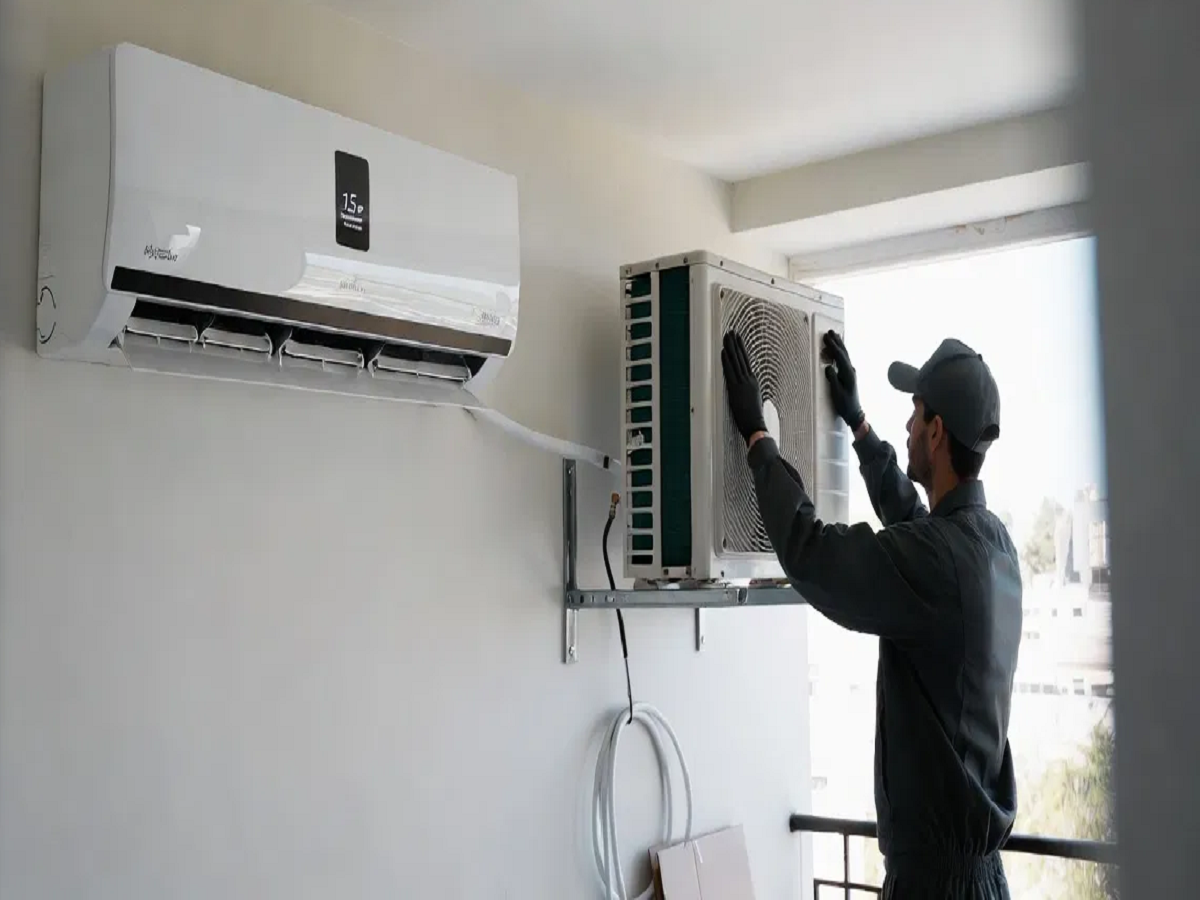
The cost of an AC doesn’t end at the showroom. Installation charges, copper piping, wiring, outdoor unit stands, and regular servicing can add significantly to the total expense. Always check warranty terms, service support, and maintenance requirements beforehand. Proper cleaning and servicing not only improve cooling but also extend the life of the AC.