NATIONAL
Big news for those travelling on National Highways, the government is going to introduce new rules for toll payment from April 1
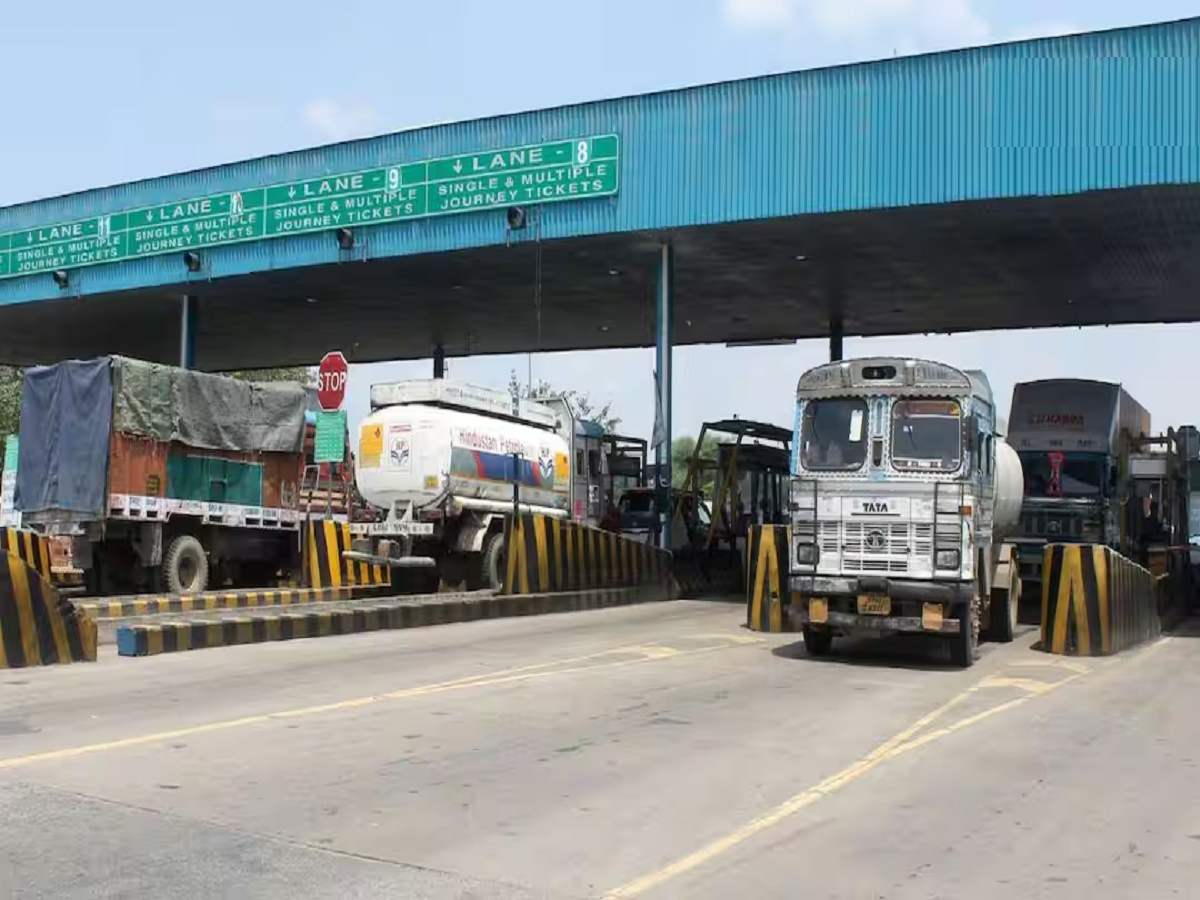
Toll Plaza: Cash payments at all national highway toll plazas across the country may end on April 1, 2026. The government is considering digitizing the process of collecting toll tax on highways.
Toll Plaza: There's important news for those traveling on national highways. The government is preparing to completely eliminate cash transactions at national highway toll plazas from April 1, 2026. The government is considering digitizing the toll collection process on highways. Consequently, it's possible that payments at toll plazas will rely on digital modes like FASTag and UPI in the future.
The era of cash payment at toll is over!
According to current rules, if your vehicle doesn't have a valid FASTag or its FASTag is not working, double the regular toll is charged. Those who choose to pay via UPI are required to pay 1.25 times the toll tax, depending on their vehicle category.
Speaking on this, a concerned official said, "UPI payments were introduced in November as an alternative to reduce cash payments, which then constituted around 2% of the total toll collection. So far, cash payments have declined by around 1%, which is half of what was collected in cash a few months ago. All toll plazas have a UPI system for making payments."
The TOI report also revealed that the government is working to address the issue of overloading penalties, which are currently mostly paid in cash. A proposal is being considered to make cashless overloading penalty payments more accurate and convenient.
These are the main reasons for ending the cash system.
Speaking about this, NHAI said, "The proposed measure aims to consolidate the benefits of electronic toll collection and enhance the efficiency and reliability of fee plaza operations."
The purpose of this government rule is to relieve users from traffic jams and long queues on highways. Cash payments often take a long time, as they involve the transaction, the payment of change, and the receipt. This often leads to long queues at toll plazas. Digital payments will allow vehicles to cross the highway without stopping. This will make highway travel easier for users and bring uniformity and transparency to toll transactions, eliminating the possibility of toll evasion or other irregularities.
Standing in queues not only wastes time but also wastes fuel. A study revealed that digital payment at toll plazas would save the country ₹87,000 crore annually. You may have often witnessed arguments between drivers and toll workers over cash at toll plazas; a digital system will eliminate this problem. The government plans to introduce barrier-free tolling in the future. This means that the toll will be deducted at the speed at which the vehicle is traveling. Cashless payment is crucial for this.
PC: ABPNews