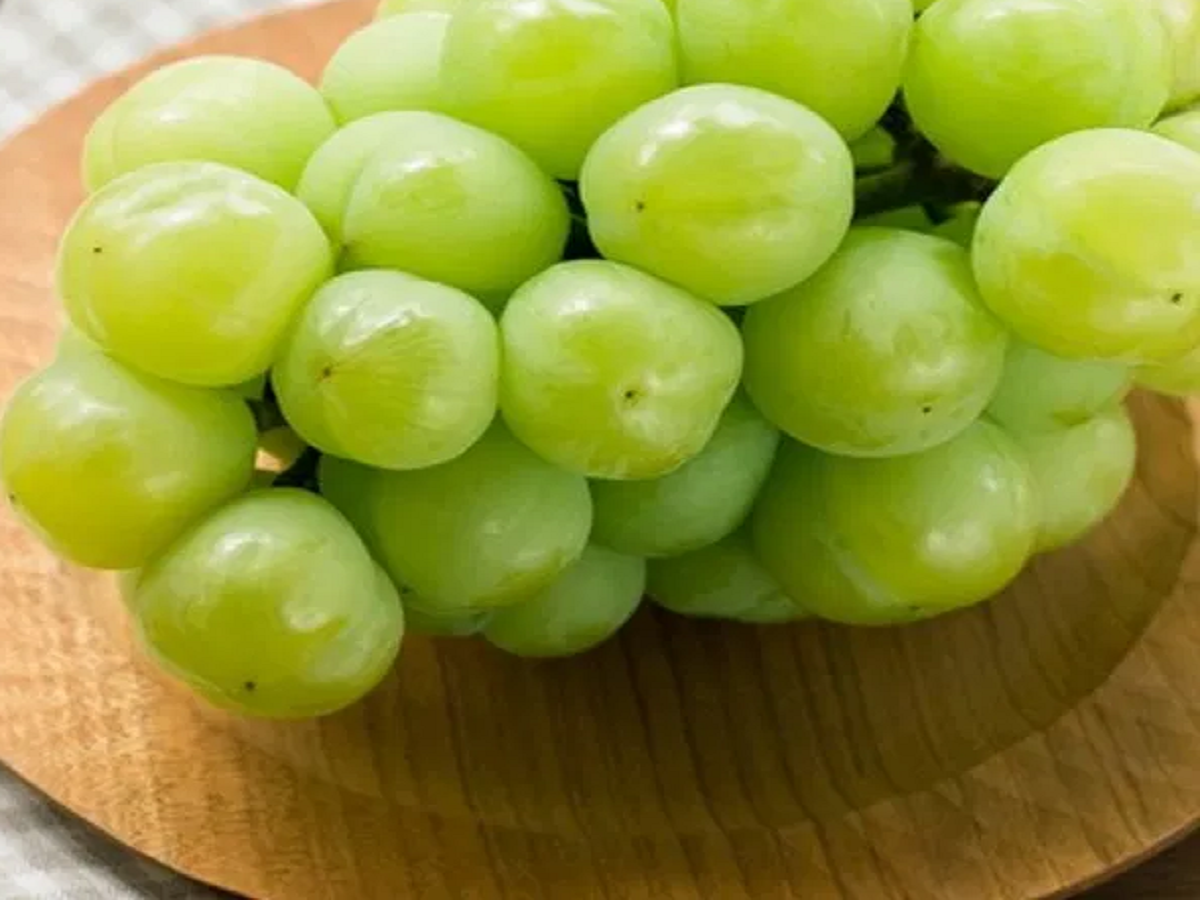
Grapes that look shiny, big, and perfectly fresh in the market may not always be as healthy as they appear. With the increasing use of chemicals in farming, many fruits—including grapes—are treated with pesticides and preservatives to enhance their appearance and extend shelf life. As a result, even clean-looking grapes can sometimes carry harmful residues if not handled properly.
According to experts like Dr. Brijpal Tyagi, certain chemicals such as mancozeb and cypermethrin are commonly used during cultivation, while sulfur dioxide may be applied to keep grapes fresh for longer. These substances can leave behind a visible white coating on the fruit, which, if not washed properly, may enter the body and affect health over time.
Identifying chemically treated grapes isn’t very difficult if you know what to look for. One simple method is to check the stem. If the stem looks fresh and green, the grapes are more likely to be naturally ripened. However, if the stem appears dry or shriveled, it could indicate chemical treatment. Another sign is the surface of the grapes—if they have an unusually thick white layer or feel rough instead of smooth, they may have been exposed to chemicals.
Proper cleaning is just as important as identification. Simply rinsing grapes with water is often not enough to remove chemical residues. A better approach is to soak them in a solution of water and baking soda for about 15 minutes. This helps break down and remove the chemical layer more effectively, making the grapes safer to eat.
Being a little more mindful while buying and cleaning fruits can go a long way in protecting your health. After all, even the healthiest-looking fruit needs proper handling before it reaches your plate.