TECH
Your WhatsApp Chats Could Become More Private: New Technology Is Changing How Messages Are Protected
WhatsApp and other messaging platforms have made digital communication a part of everyday life. From personal conversations to sharing documents, photos and financial information, people now exchange a huge amount of sensitive data through messaging apps.
As online privacy becomes increasingly important, technology companies are working on new ways to protect conversations, accounts and personal information. End-to-end encryption remains one of the most important technologies in this area, while newer security features are adding another layer of protection.
What is end-to-end encryption?
End-to-end encryption is designed to ensure that a message can be read only by the sender and intended recipient.
When a message is sent, it is encrypted on the sender's device and decrypted on the recipient's device. This means the contents are protected while travelling between the two devices.
However, encryption does not mean your entire phone or account is automatically secure. If someone gains access to your unlocked device or account, they may still be able to view information.
Passkeys are changing account security
Passwords have traditionally been one of the weakest parts of online security.
People often reuse passwords, choose simple combinations or accidentally share them through phishing attacks. Passkeys are designed to reduce these risks.
Instead of remembering a traditional password, a passkey uses cryptographic technology and can be unlocked using the security system already available on your device, such as a fingerprint, face recognition or device PIN.
This means users can authenticate themselves without typing a conventional password.
Why are passkeys considered safer?
A traditional password can potentially be stolen through phishing websites or data breaches.
With a passkey, the private cryptographic key remains on the user's device rather than being sent to a website as a normal password.
Even if someone creates a fake website designed to look legitimate, there is no conventional password for the user to type into that site.
This can make passkeys particularly useful for protecting important accounts.
Your phone itself has become a security key
Modern smartphones contain specialised hardware designed to protect sensitive cryptographic information.
Security chips and trusted hardware environments can store authentication credentials separately from ordinary applications.
This means your phone can effectively become a digital security key.
Features such as fingerprint sensors, Face ID and device PINs can then be used to unlock those credentials.
Two-factor authentication still matters
Even with strong encryption and passkeys, users should take advantage of additional security features whenever they are available.
Two-factor authentication adds another verification step when someone attempts to access an account.
For example, logging in may require both an authentication credential and a second verification method.
This can make it much harder for attackers to take control of an account using only stolen login information.
Beware of fake verification messages
Technology can protect users, but social engineering remains a major threat.
Scammers may send messages pretending to be from WhatsApp, banks, delivery companies or government departments and ask users to click a link or share a verification code.
No encryption technology can protect you if you voluntarily give an attacker your authentication code.
Never share OTPs, verification codes, passwords or recovery information with someone who contacts you unexpectedly.
What about cloud backups?
One area that users should pay particular attention to is cloud backup.
A chat may be protected by end-to-end encryption while being transmitted, but the security of a backup depends on the backup system and the encryption settings available to the user.
Some services now offer end-to-end encrypted backups as an additional security option.
Users should therefore check their messaging-app privacy settings and understand whether their backups receive the same level of protection as their live conversations.
AI is creating new privacy challenges
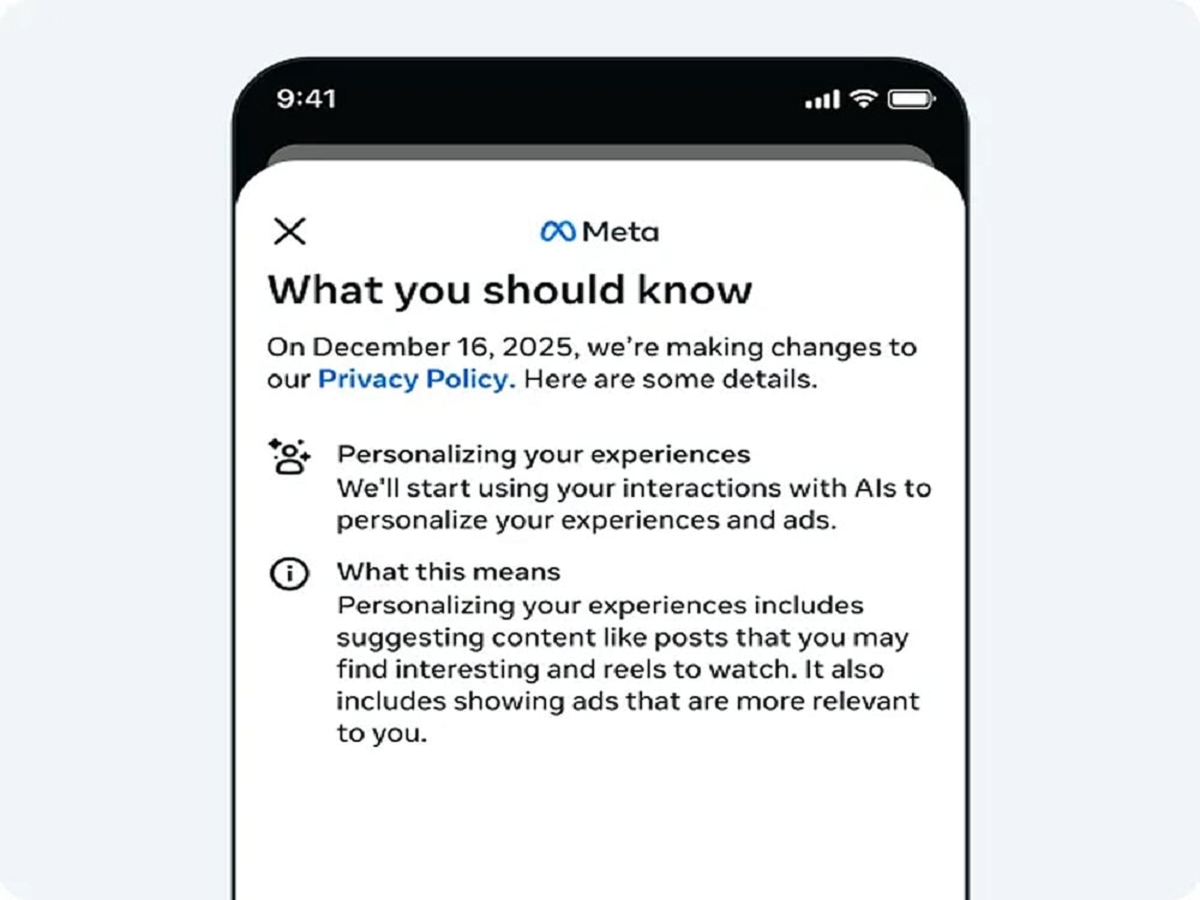
The rise of AI is adding another layer to the privacy discussion.
AI tools can process messages, photographs, documents and other information to provide personalised features. While this can be useful, users should understand what information an AI feature can access and whether processing happens locally on the device or through remote servers.
On-device AI can potentially keep more information on the phone, while cloud-based AI may require data to be sent to external servers for processing.
The future of messaging security
Digital communication is becoming more secure through a combination of technologies rather than one single solution.
End-to-end encryption protects messages, passkeys reduce dependence on passwords, secure hardware protects credentials, and two-factor authentication adds another barrier against account takeover.
But users remain an important part of the security chain.
Keeping devices updated, enabling strong authentication, protecting your phone's lock screen and refusing to share verification codes can make a significant difference.
As messaging platforms become more deeply integrated with payments, AI and other digital services, strong privacy and security will become even more important in everyday smartphone use.