TECH
Will Masking Your Phone Number Be Enough to Protect UPI Privacy? Here's Why Experts Say It Isn't
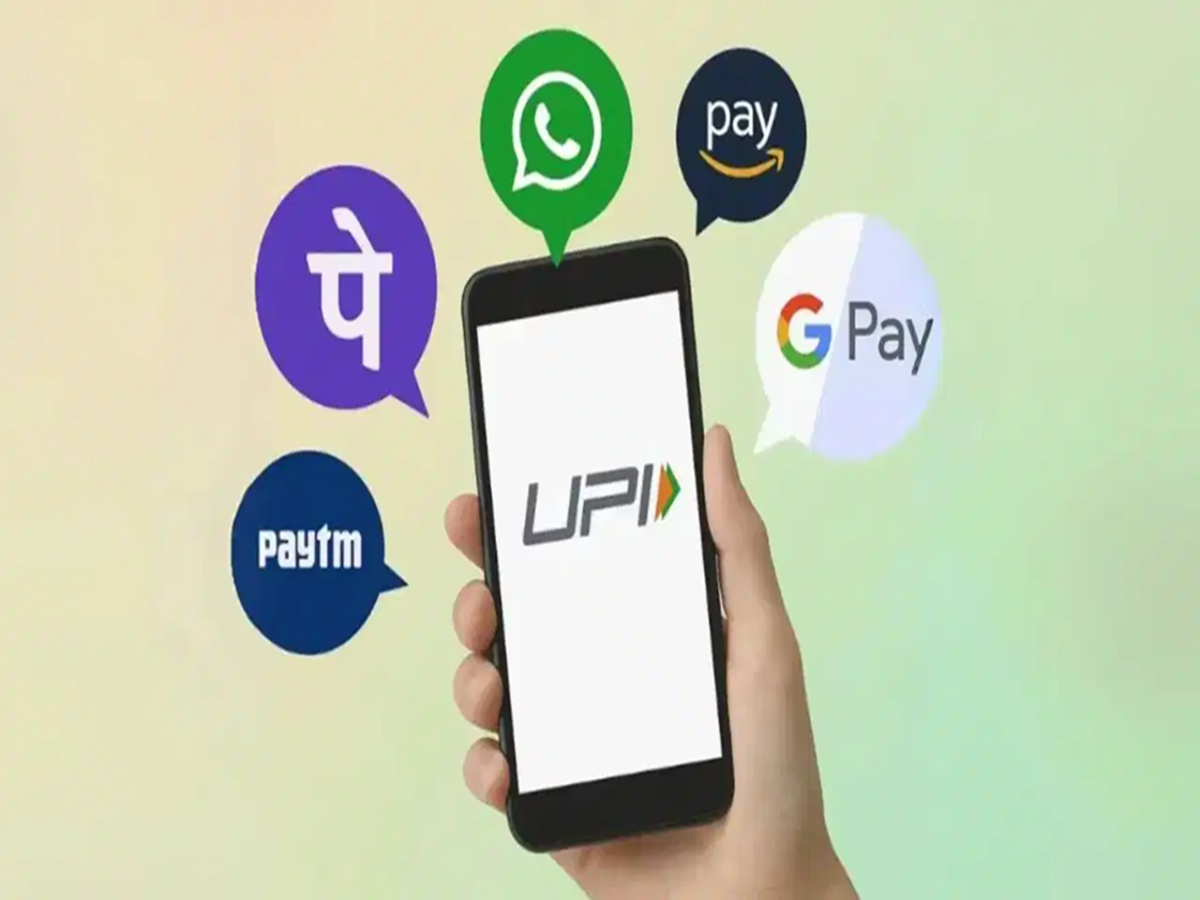
The National Payments Corporation of India (NPCI) is taking important steps to strengthen user privacy across the Unified Payments Interface (UPI) ecosystem. As part of preparations for compliance with the Digital Personal Data Protection (DPDP) Act, NPCI has directed banks and UPI apps to mask users' mobile numbers and encourage the use of more privacy-friendly UPI IDs.
While these changes are expected to improve user privacy, experts believe that masking phone numbers alone will not completely eliminate privacy risks.
Why Is NPCI Introducing These Changes?
UPI relies heavily on mobile numbers to identify users and process payments. Although this makes transactions convenient, it can also expose personal information if the recipient or sender can view another user's phone number.
To address these concerns, NPCI has instructed banks and payment service providers to reduce the amount of personal information visible during transactions.
The move comes after users, particularly women, raised concerns about privacy and unwanted contact after UPI payments.
What Will Change?
Under the new guidelines:
-
Mobile numbers will be masked in customer-facing interfaces.
-
Only the last four digits of a user's phone number should be visible where necessary.
-
UPI IDs, account numbers, and other sensitive details should also be protected wherever possible.
-
Mobile numbers should not be displayed after QR code payments are completed.
NPCI has asked banks and UPI apps to implement these changes by the prescribed deadline.
Usernames Will Become More Important
Most UPI users currently use a Virtual Payment Address (VPA) based on their mobile number, such as:
-
98XXXXXX45@bank
However, UPI also supports custom usernames, for example:
-
rahul123@bank
-
priya.sharma@bank
Under the new approach, payment apps are expected to encourage users to create and use username-based UPI IDs instead of mobile number-based IDs. This adds an extra layer of privacy by reducing direct exposure of personal contact information.
Why Masking Phone Numbers Alone Isn't Enough
Although hiding mobile numbers is a positive step, it does not completely solve privacy concerns.
Some challenges remain:
-
A person's name may still be displayed during payment verification.
-
Transaction histories remain visible within payment apps.
-
If a device or UPI account is compromised, sensitive financial information may still be exposed.
-
Fraudsters can still use phishing, fake customer support calls, or social engineering to target users.
In other words, protecting privacy requires multiple layers of security—not just masking phone numbers.
How Can Users Better Protect Their UPI Privacy?
You can improve your privacy by following a few simple practices:
-
Use a custom username-based UPI ID instead of one linked to your mobile number, if your app supports it.
-
Never share your UPI PIN with anyone.
-
Verify the recipient's name before authorising a payment.
-
Enable app lock or biometric authentication for your payment apps.
-
Keep your banking and payment apps updated to the latest version.
-
Be cautious of unsolicited payment requests or calls claiming to be from banks or payment providers.
What Is the DPDP Act?
The Digital Personal Data Protection (DPDP) Act is India's data protection law that aims to give individuals greater control over their personal data while requiring organisations to collect, process, and store personal information responsibly.
For digital payment platforms, this means strengthening safeguards around customer information and reducing unnecessary exposure of personal data.
The Bottom Line
Masking phone numbers is an important step toward improving privacy in India's UPI ecosystem, but it is only one part of a broader effort to protect user data. Encouraging username-based UPI IDs, limiting the display of personal information, strengthening app security, and increasing user awareness will all play an important role in making digital payments safer.
As these changes are rolled out, users should also adopt good digital security habits to better protect their financial information and personal privacy.