AUTO
Will foreign cars become cheaper? The Indian governments big bet, the middle class could benefit
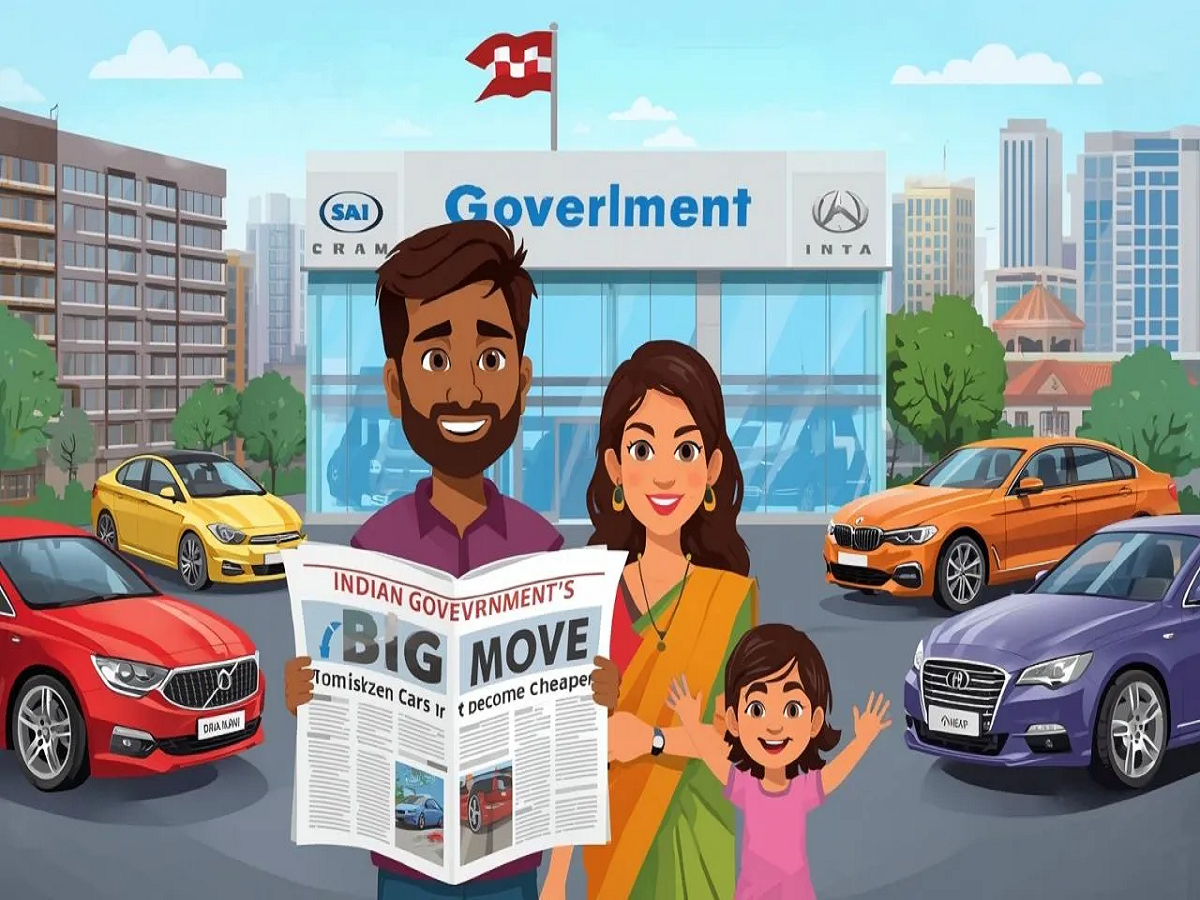
India EU Trade Deal: Negotiations for a free trade agreement with the EU have now reached a decisive stage. The Indian government has decided to significantly reduce the tariffs on cars imported from Europe.
Lower Import Duty: The ongoing Free Trade Agreement negotiations between India and the European Union (EU) have now reached their decisive stage. According to sources, the Indian government has decided to significantly reduce the heavy tariffs imposed on cars imported from Europe. Under the plan, the tax on cars can be reduced from 110 percent to 40 percent. This is considered to be the biggest initiative so far and it is believed that both sides can finalize this free trade pact on Tuesday.
Taxes on select European cars to be reduced immediately
Speaking to Reuters, two sources said the government has agreed to immediately reduce tariffs on certain cars imported from the 27 European Union countries. However, this relief will only apply to vehicles with an import price exceeding 15,000 euros (about €16.26 lakh). The direct benefit of this decision will be that European car manufacturers will be able to more easily launch their premium models in India.
Even 40% tax is not permanent, preparations for further relief
According to sources, this 40% tariff will not be permanent. The government plans to gradually reduce it to 10%. This means the Indian market could open up even more to European companies in the coming years. This indicates that the Indian government intends to gradually expand investment and business opportunities for foreign auto companies here.
Volkswagen, BMW and Mercedes will get big benefits
This decision will make it easier for renowned European automobile companies like Volkswagen, Mercedes-Benz, and BMW to enter India. Until now, high import duties had been a major obstacle for these companies. This government move could prove to be a major relief for them. However, sources have clarified that the discussions are still confidential and last-minute changes are possible.
EVs will be kept out for now
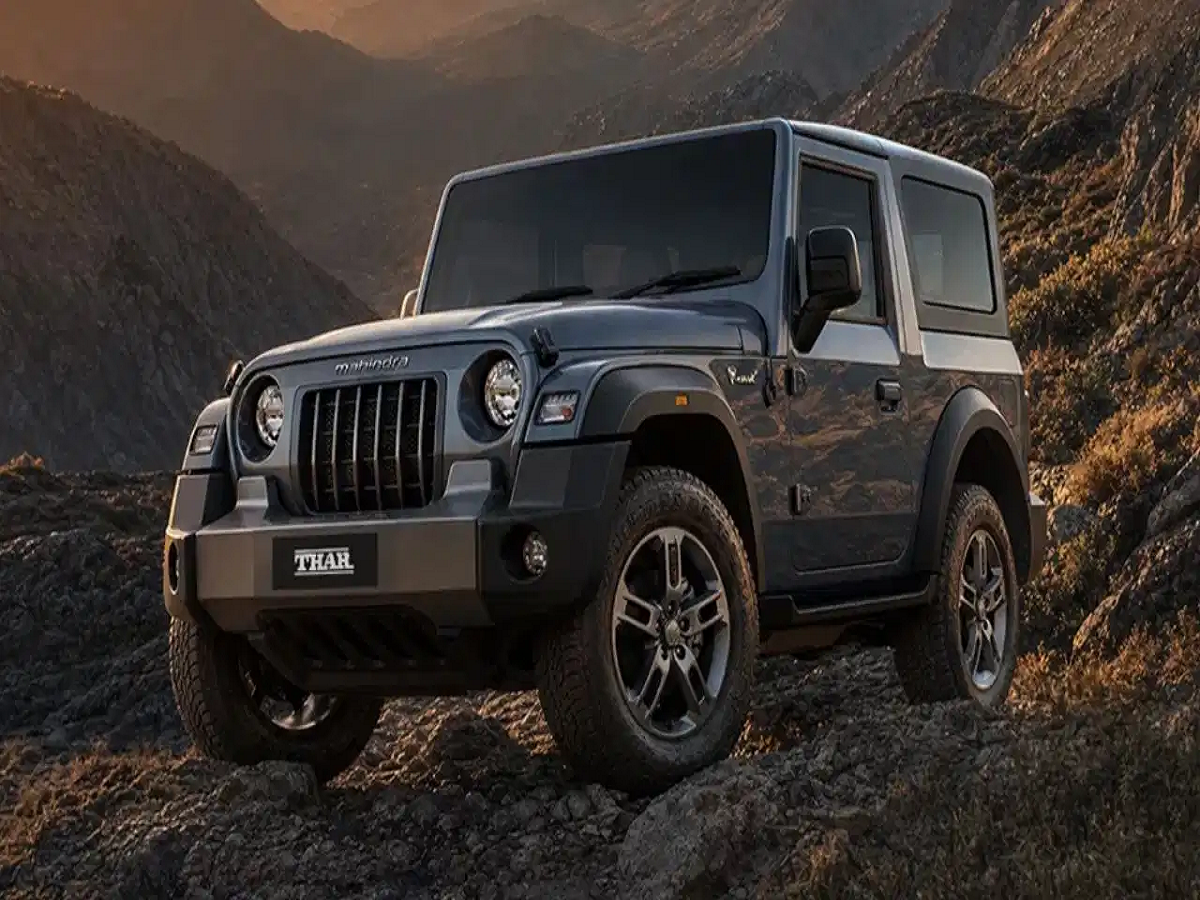
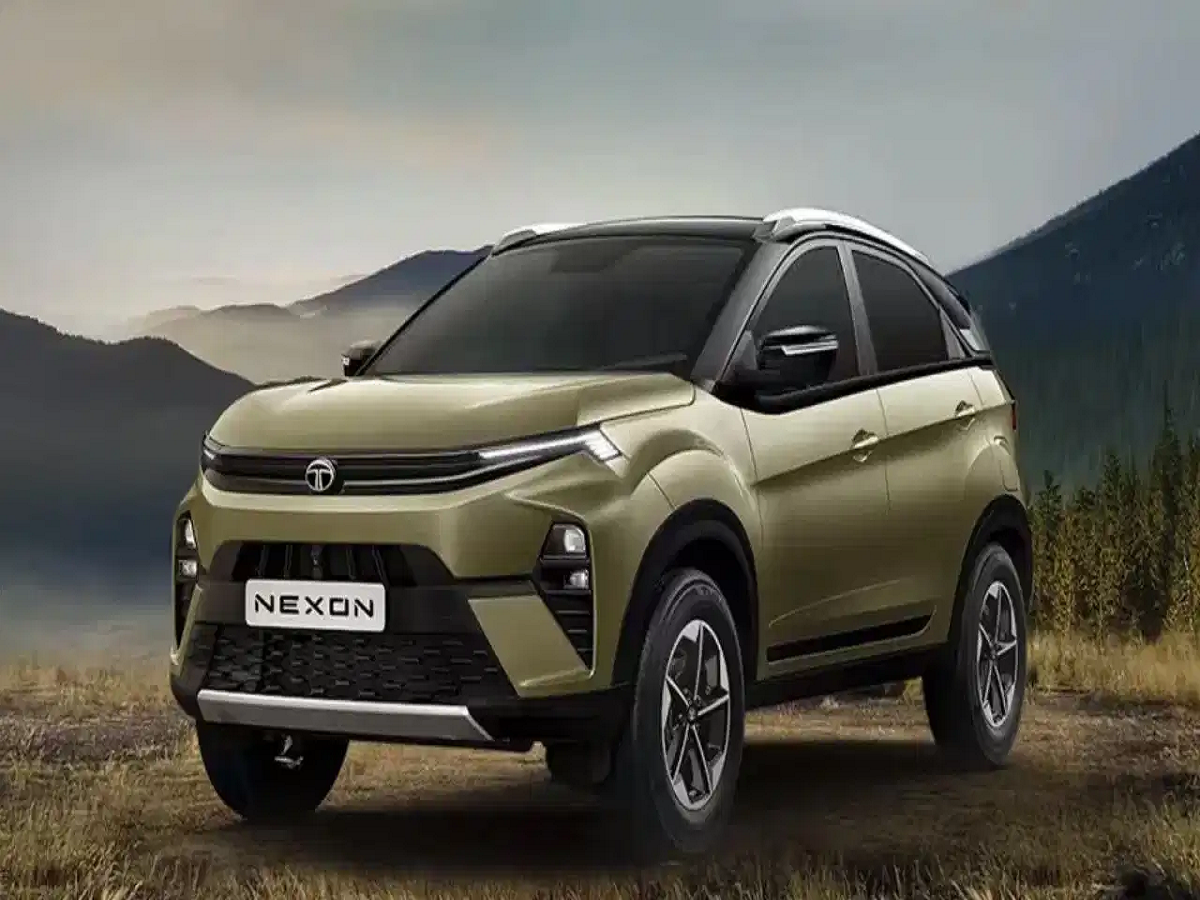
The government has also taken the interests of domestic companies into consideration. According to sources, to protect investments made by Indian companies like Mahindra & Mahindra and Tata Motors in the electric vehicle (EV) sector, battery electric vehicles will be exempted from the import duty reduction for the first five years. After that, similar relief is planned for EVs.
What are the signs for the middle class?
If this agreement is implemented, prices of foreign cars in India could decline in the future. This would provide more options for middle-class customers, and premium cars could become somewhat more affordable than before.
PC:NBT