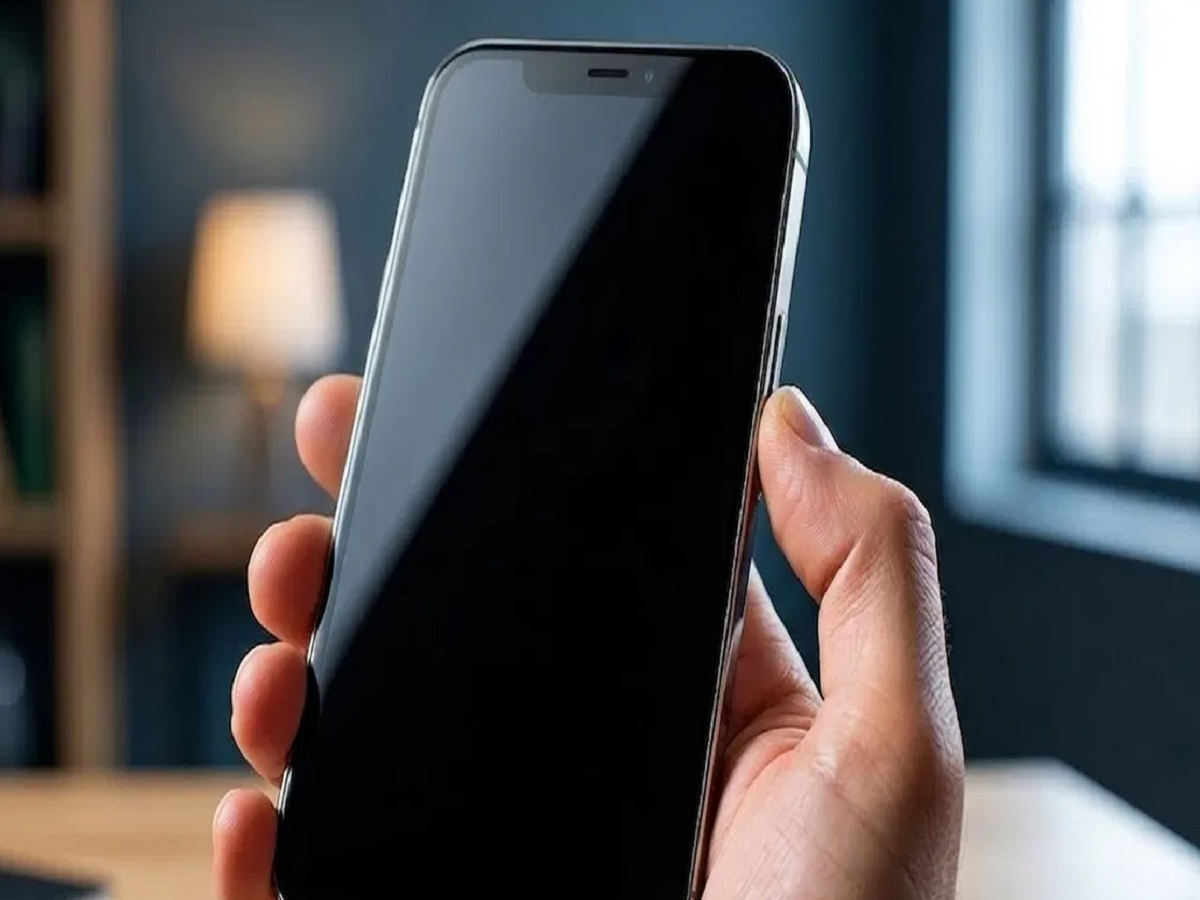
The placement of the power button on the right side of most smartphones isn’t random—it’s the result of practical design decisions based on how people use their devices.
1. Designed for Right-Handed Users
A large majority of the global population is right-handed. When holding a phone in the right hand, the thumb naturally rests along the right edge of the device. Placing the power button there makes it easy to lock or unlock the phone without adjusting grip.
2. Better One-Handed Usability
Modern smartphones are larger, so ease of one-handed operation is crucial. The right-side placement allows users to press the power button comfortably with their thumb, making everyday actions quicker and more natural.
3. Improved Grip and Safety
If the button were placed elsewhere (like the top), users would need to shift their grip, increasing the chances of dropping the phone. The right-side position helps maintain a stable hold.
4. Industry Standardization
Earlier smartphones had varied placements—top (like older iPhones) or even on the back (like some LG models). Over time, companies observed user behavior and standardized the right-side placement for consistency and familiarity.
5. Ergonomic Design Logic
Smartphone design today revolves heavily around ergonomics. The right-side power button aligns with natural hand movement, reducing strain and improving overall user experience.
In Short:
The power button is on the right side mainly because it’s the most comfortable and intuitive position for the majority of users—making phones easier, safer, and faster to use.