INTERNATIONAL
Why India Is Turning Toward Slovakia: PM Modi’s First-Ever Bilateral Visit Highlights New Europe Strategy
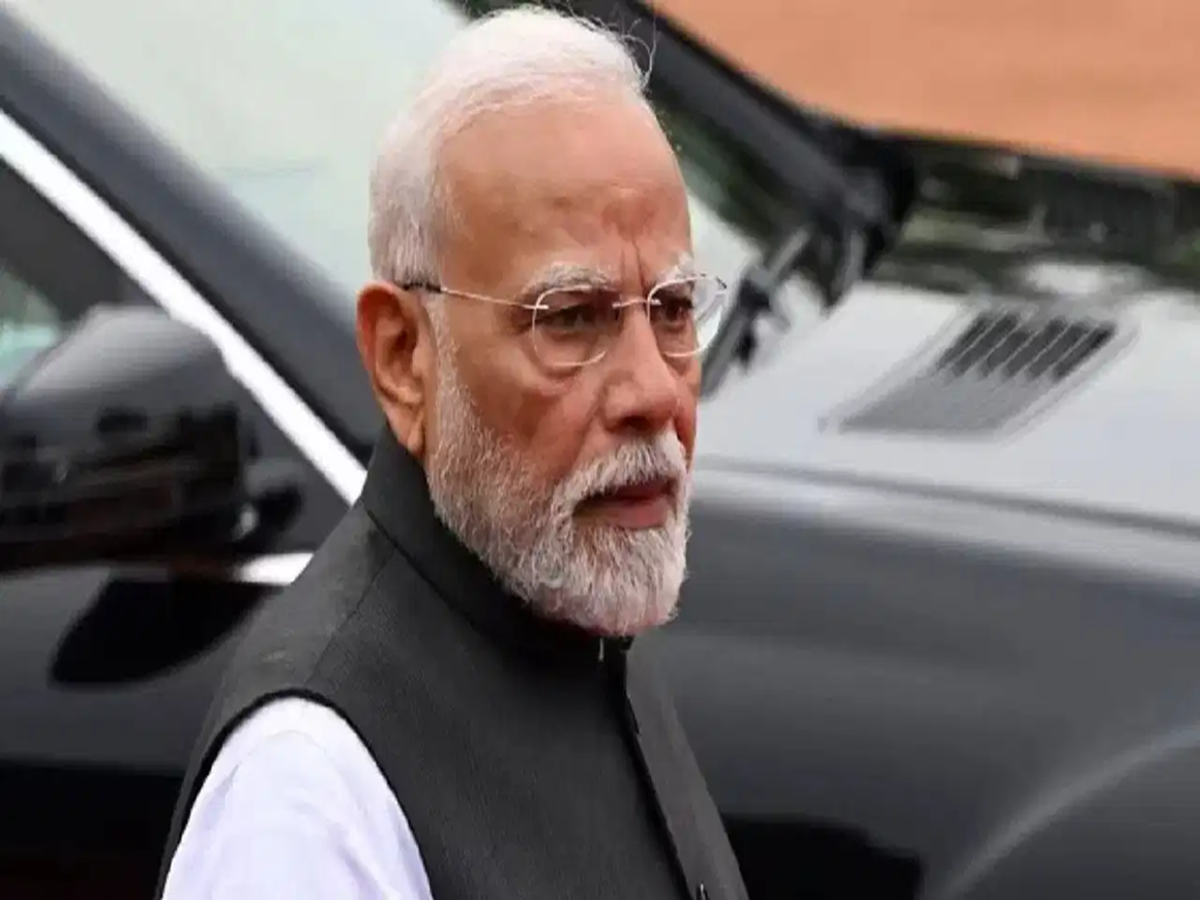
Prime Minister Narendra Modi is set to begin a five-day European tour from June 13 to 18, covering France and Slovakia. While France is a familiar strategic partner, it is Slovakia—a small Central European nation—that is drawing fresh attention as a key focus of the visit.
This will be the first-ever bilateral visit by an Indian Prime Minister to Slovakia, raising a natural question: why is India increasingly interested in this relatively small European country?
Slovakia, with a population of around 5.5 million, plays a far larger role in the global economy than its size suggests. It is one of Europe’s important automotive manufacturing hubs and ranks among the top countries in per capita car production. Several global automobile companies operate large production facilities there, making it a significant node in global supply chains.
India’s interest in Slovakia is closely tied to its broader push to strengthen manufacturing capacity, diversify industrial partnerships, and deepen integration into global value chains. Sectors such as automobiles, engineering, and advanced manufacturing are seen as key areas where both countries can collaborate more closely.
Beyond trade and industry, the visit also reflects India’s evolving diplomatic approach toward Europe. In recent years, New Delhi has expanded engagement beyond traditional partners like France, Germany, and Italy, increasingly focusing on Central and Eastern European nations as part of a wider strategic outreach.
As a member of both the European Union and NATO, Slovakia offers India a valuable gateway to deeper engagement with Central Europe and broader access to European markets. Analysts suggest that in today’s shifting geopolitical and economic environment, India is actively seeking partnerships that offer new opportunities in investment, technology, and industrial cooperation.
Prime Minister Modi’s visit comes at a time when India–Europe relations are growing rapidly across trade, defence, innovation, and technology. Against this backdrop, the Slovakia stop is seen as more than symbolic diplomacy—it reflects a deliberate effort to expand India’s presence in emerging European partnerships.
While Slovakia may not yet be widely known among the Indian public, the visit signals a clear shift: India is increasingly looking beyond traditional centres of Europe to build new strategic and economic connections.