As winter sets in and temperatures drop, the cold weather has a direct impact on heart health. People with existing heart conditions, the elderly, diabetics, and those with high blood pressure face a higher risk of heart attacks during this season. This makes winter a critical time to pay extra attention to heart-related symptoms and overall cardiovascular health.
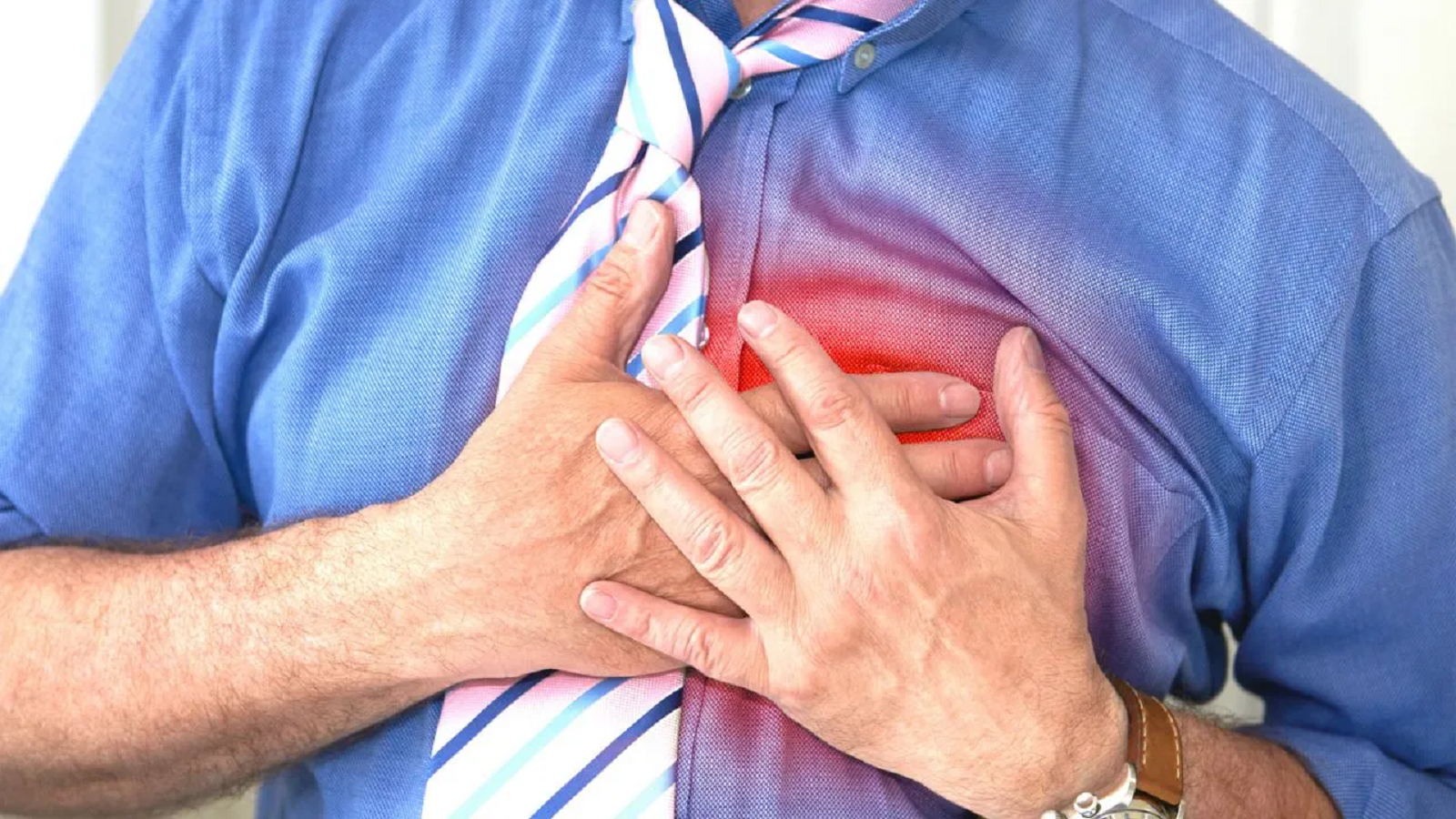
During the cold months, even mild symptoms connected to the heart should never be ignored. The most common warning sign is chest pain or heaviness, which may spread to the left arm, shoulder, or back. Shortness of breath, dizziness, unusual fatigue, sweating, and even jaw or neck pain can also indicate heart trouble. Unfortunately, people often mistake these symptoms for acidity, weakness, or routine tiredness, especially in winter, which can delay life-saving treatment. If you experience increased chest discomfort while walking, climbing stairs, or stepping outdoors in cold weather, seek medical help immediately. Early diagnosis can greatly reduce the risk of a major heart attack.
4 Major Reasons Heart Attack Cases Increase in Winter
-
Narrowing of blood vessels
Dr. Ajit Jain, from the Cardiology Department at Rajiv Gandhi Hospital, explains that cold temperatures cause blood vessels to tighten. This increases blood pressure and puts extra strain on the heart, raising the risk of heart attack. -
Thickening of the blood
Cold weather slightly thickens the blood, which increases the risk of clot formation. These clots can obstruct blood flow, leading to heart attacks or strokes. -
Reduced oxygen availability
In winter, the heart works harder to maintain body temperature. This increases the body’s demand for oxygen, putting additional pressure on people with weakened heart function. -
Sudden physical exertion
Engaging in heavy activity or exercise without warming up can suddenly increase stress on the heart. This may trigger irregular heart rhythms, which in severe cases can result in a heart attack.
How to Reduce the Risk
• Keep your body warm and avoid sudden exposure to cold air
• Monitor blood pressure, blood sugar, and cholesterol regularly
• Avoid heavy exercise without proper warm-up
• Stay away from smoking and follow a heart-healthy diet
• Seek immediate medical help if you experience chest pain, breathlessness, or extreme fatigue