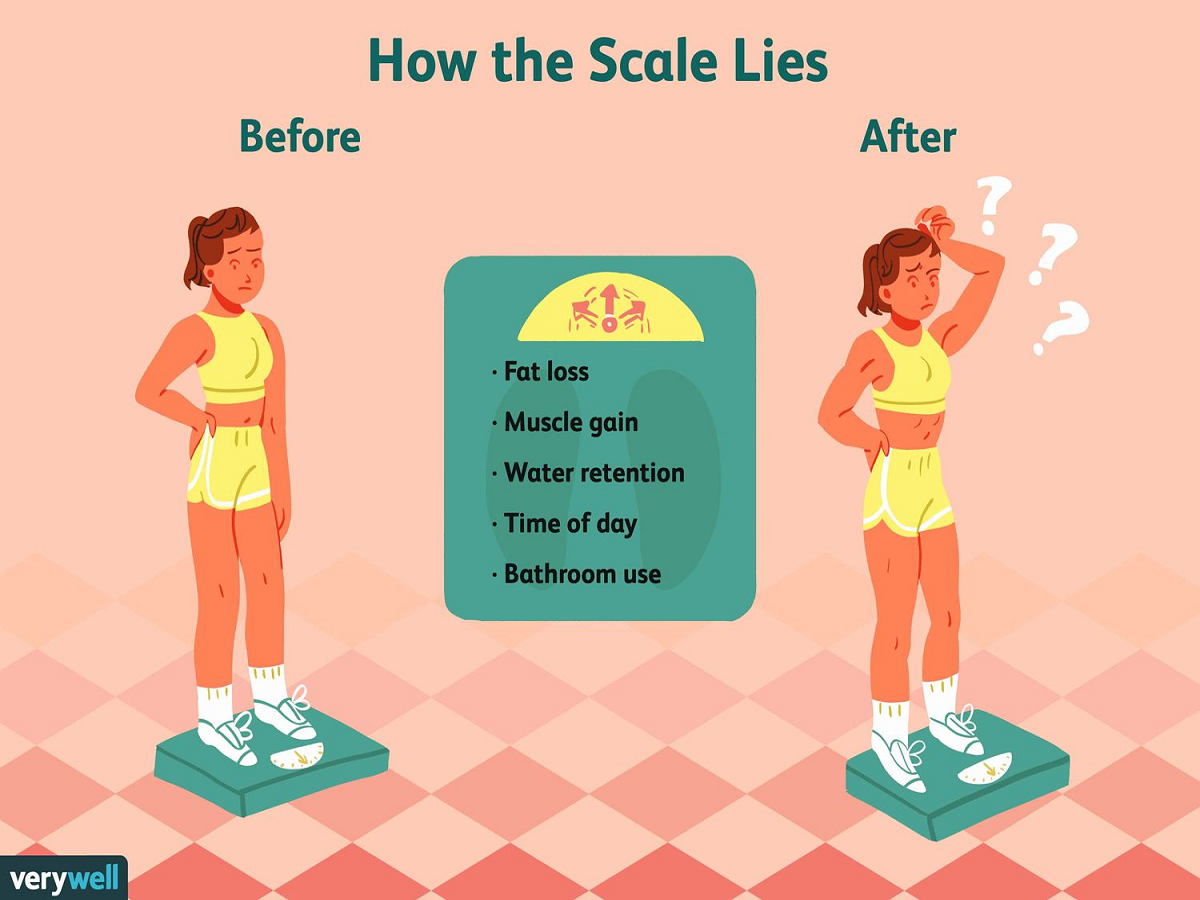
Weight gain has emerged as a major health concern in modern times due to sedentary lifestyles and unhealthy eating habits. With increasing awareness about fitness, many people follow strict diets and spend hours exercising in gyms. However, despite continuous effort, some individuals fail to see noticeable results on the weighing scale.
This situation often leads to frustration and a loss of confidence. Health experts say that weight loss does not depend solely on exercise or food intake. Several other lifestyle factors play an important role in determining whether the body loses weight effectively.
Small Habits Can Become Major Obstacles
Many small daily habits significantly influence the weight loss journey. Often, due to a lack of awareness, people unknowingly make mistakes that slow down their progress. Improper eating patterns, inadequate sleep, or excessive exercise beyond the body’s limits can disrupt the body’s natural balance.
If weight does not decrease despite long-term efforts, experts advise reviewing daily routines and lifestyle habits.
Eating Too Little Can Backfire
One of the most common misconceptions about weight loss is that eating less will automatically lead to faster results. In reality, drastically reducing food intake can harm the body.
When the body does not receive adequate nutrition, its internal systems struggle to function efficiently. This slows down metabolism—the process by which the body converts calories into energy. A slower metabolism can prevent effective weight loss and may even cause the body to hold onto fat.
Experts recommend consuming balanced, nutritious meals instead of drastically reducing food portions.
Relying Only on Exercise
Many people believe that regular gym workouts allow them to eat anything they want. However, this assumption often undermines weight loss efforts.
Health specialists emphasize that exercise alone cannot compensate for unhealthy eating habits. For effective weight management, diet and physical activity must work together. According to fitness professionals, diet contributes nearly 70 percent to weight loss results, while exercise supports the remaining progress.
Insufficient Protein Intake
Protein plays a crucial role in maintaining overall fitness and supporting weight loss. However, many nutritionists note that the typical Indian diet often lacks adequate protein.
Protein helps build muscle mass and supports a healthy metabolism. It also increases the feeling of fullness, reducing frequent hunger and preventing overeating. Since the body uses more energy to digest protein compared to other nutrients, it can contribute to increased calorie burning. A lack of sufficient protein may therefore slow down weight loss.
Crash Dieting and Extremely Low Calories
In the pursuit of quick results, many individuals adopt crash diets or drastically cut calorie intake. While such diets may show rapid weight loss initially, the results are usually temporary.
Extremely low-calorie diets weaken the body and can cause muscle loss. When normal eating patterns resume, weight often returns quickly, sometimes even exceeding previous levels. Experts suggest gradual and sustainable dietary adjustments for long-term weight management.
Lack of Proper Sleep
Sleep is often overlooked in weight loss plans, yet it plays a vital role in maintaining a healthy body weight. Insufficient sleep can disrupt hormonal balance, increasing hunger and cravings for sugary or high-calorie foods.
Staying awake late at night can also negatively affect metabolism. Health professionals recommend 7 to 8 hours of quality sleep daily, which allows the body to recover, regulate hormones, and support effective weight loss.
The Balanced Approach to Weight Loss
Experts stress that successful weight loss requires a balanced lifestyle. A combination of nutritious food, regular exercise, adequate protein intake, proper sleep, and sustainable habits can produce better and longer-lasting results.