LIFESTYLE
Want Silky, Shiny Hair? Try These 5 Homemade Natural Hair Gels for Softness and Smoothness
Dry, rough and lifeless hair can make styling difficult, especially when your strands lack softness, shine and volume. While commercial conditioners and serums can help manage these concerns, homemade hair treatments made with simple kitchen ingredients are another option for people looking for an affordable hair-care routine.
Ingredients such as okra, flaxseeds, rice, hibiscus and aloe vera are commonly used in traditional hair care. Their gel-like textures may help condition the hair, reduce friction between strands and improve manageability. However, results vary depending on your hair type, and these remedies cannot guarantee hair growth or prevent hair loss.
Here are five homemade hair gels you can try at home.
1. Okra Gel for Soft and Manageable Hair
Okra, commonly known as bhindi, releases a slippery, gel-like substance when boiled in water. This makes it a popular ingredient in homemade hair-conditioning treatments.
How to Make Okra Gel
-
Wash and chop four to six fresh okra pods.
-
Add them to approximately one cup of water and boil for 10–15 minutes.
-
Allow the mixture to cool before straining it through a clean cloth.
-
Apply the gel to damp hair, concentrating on the lengths and ends.
-
Leave it on for around 20–30 minutes before rinsing thoroughly.
Okra gel may help reduce friction between hair strands, leaving them feeling softer and easier to comb. If you have a sensitive scalp, test a small amount on your skin before applying it more widely.
2. Flaxseed Gel for Smooth and Shiny Hair
Flaxseeds contain mucilage, a substance that forms a gel when heated in water. Homemade flaxseed gel is often used to define curls, manage frizz and make hair easier to style.
How to Make Flaxseed Gel
-
Add two tablespoons of flaxseeds to one cup of water.
-
Simmer for approximately 5–10 minutes, stirring occasionally.
-
Once the liquid becomes gel-like, strain it while it is still warm enough to pass through the cloth safely.
-
Allow the gel to cool completely.
-
Apply it to clean, damp hair and leave it on for 20–30 minutes before rinsing if needed.
You can start by using this treatment once a week and adjust according to how your hair responds. Although flaxseed gel may improve manageability, there is insufficient evidence that it directly prevents hair loss.
3. Rice Gel for a Smoother Hair Texture
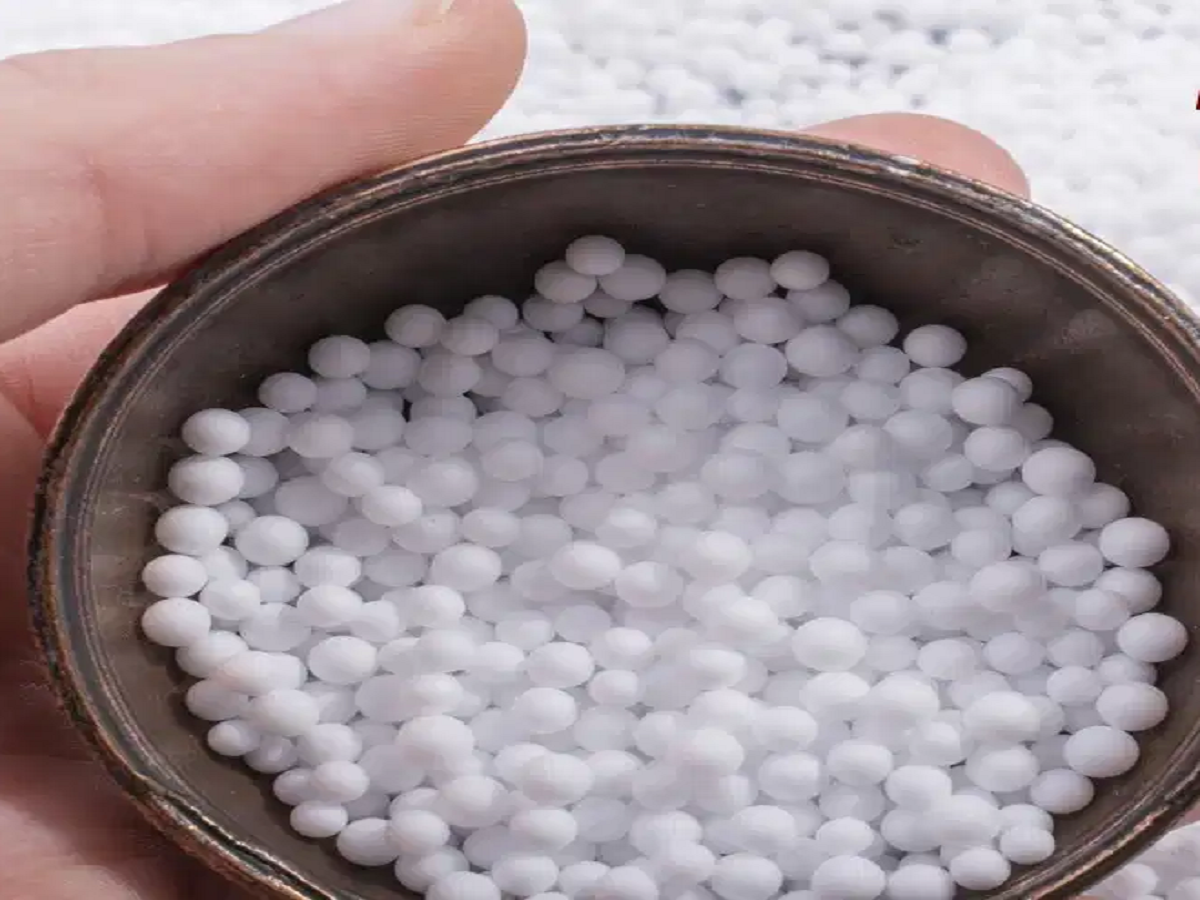
Rice contains starch that creates a thick mixture when cooked and blended. This mixture can be used as a temporary hair mask, although its benefits should not be confused with proven hair-growth treatments.
How to Make Rice Gel
-
Cook a small quantity of rice in extra water until it becomes very soft.
-
Blend the cooked rice with a little water to form a smooth paste.
-
Let the mixture cool completely.
-
Apply a thin layer to damp hair, focusing on the lengths.
-
Leave it on for 15–20 minutes before rinsing thoroughly.
Ensure that the mixture is smooth enough to wash out easily. Adding vitamin E capsules is unnecessary for most people and may make the mixture greasy or difficult to remove.
4. Hibiscus Gel for Hair Conditioning
Hibiscus flowers and leaves are traditionally used in Indian hair-care preparations. They can be combined with water to create a plant-based mixture for conditioning the hair.
How to Make Hibiscus Gel
-
Wash a few fresh hibiscus flowers and leaves thoroughly.
-
Blend them with a small amount of water.
-
Strain the mixture if necessary to remove plant fibres.
-
Apply it to damp hair and leave it on for 15–20 minutes.
-
Rinse thoroughly and shampoo if any residue remains.
Hibiscus is a traditional home remedy, but strong scientific evidence that it stimulates hair growth in humans is limited. Prepare a fresh batch for each use instead of mixing it into your shampoo bottle for long-term storage.
5. Aloe Vera Gel for Dry Hair
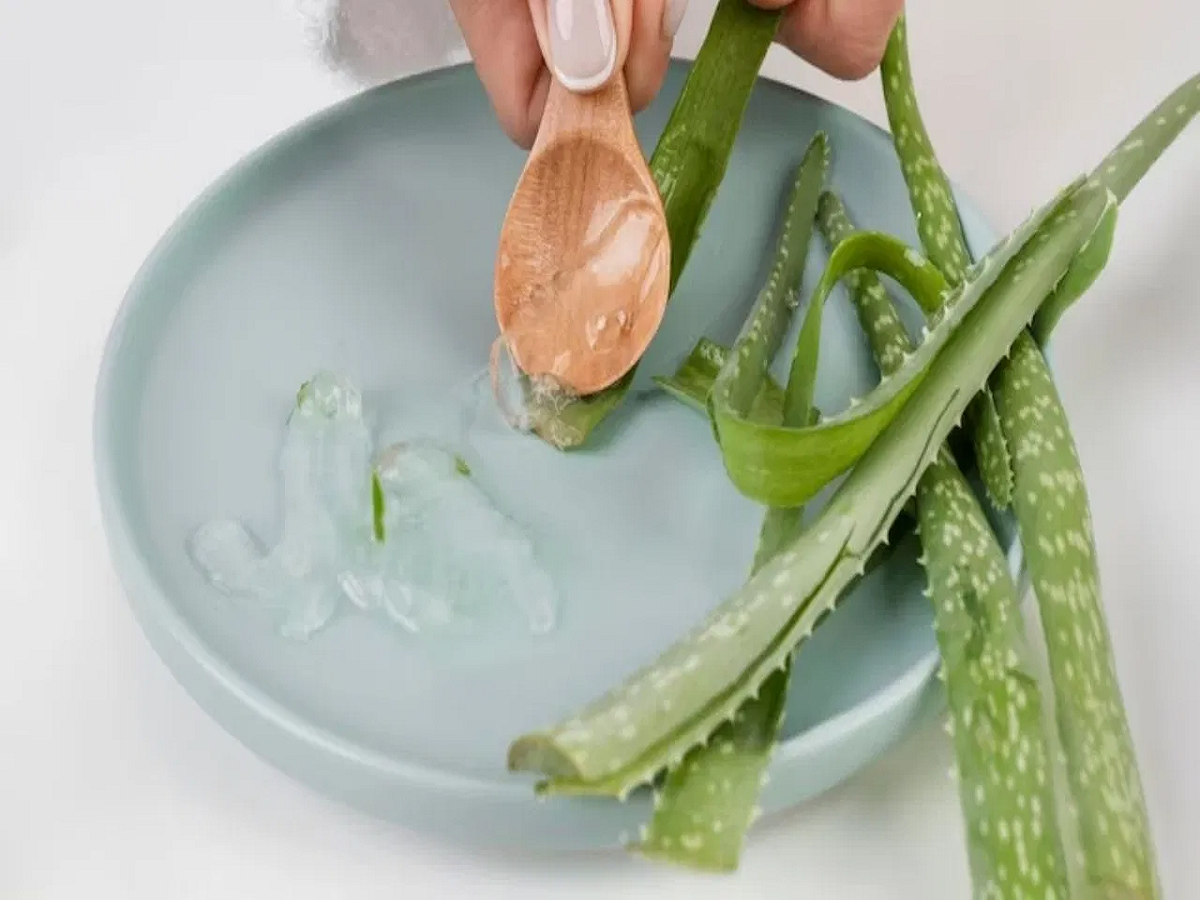
Aloe vera is widely used in skin and hair-care products. Its water-rich texture may help condition the hair and make it feel smoother, particularly when the lengths are dry.
How to Use Aloe Vera Gel
-
Choose a plain, commercially prepared aloe vera gel intended for cosmetic use, or carefully extract the clear inner gel from a fresh leaf.
-
If using a fresh leaf, remove the yellow latex beneath the skin and rinse the gel thoroughly.
-
Apply a small amount to damp hair.
-
Leave it on for approximately 15–30 minutes.
-
Rinse thoroughly and follow with conditioner if needed.
Aloe vera may help improve hair manageability, but reliable clinical evidence that it consistently accelerates hair growth remains limited. Stop using it if you experience itching, redness or irritation.
Which Homemade Hair Gel Should You Choose?
Different ingredients may suit different hair-care needs.
-
For dry, rough hair: Try aloe vera or okra gel.
-
For frizz and styling: Flaxseed gel may be a useful option.
-
For a starch-based hair mask: Rice gel is worth trying.
-
For a traditional herbal treatment: Consider hibiscus gel.
These are general suggestions rather than guaranteed treatments. If your hair is particularly dry, a good rinse-out conditioner and a suitable leave-in conditioner may provide more consistent results than homemade gels alone.
Important Tips Before Using Homemade Hair Gels
Always Perform a Patch Test
Apply a small amount of the mixture to a limited area of skin before using it more widely. Discontinue use if irritation develops.
Prepare Small Batches
Homemade gels contain water and generally lack preservatives, making them vulnerable to microbial growth. Prepare only what you need and discard leftovers instead of storing them for several days.
Avoid Unnecessary Additives
Vitamin E capsules and heavy oils are not essential ingredients. They may leave hair greasy or irritate the skin in some people.
Consider Your Scalp Condition
If you have dandruff, itching or an oily scalp, avoid applying thick mixtures directly to the scalp unless you know they suit you. Persistent dandruff may require a medicated shampoo rather than a homemade remedy.
Keep Expectations Realistic
Natural gels may help improve softness, reduce friction and make hair easier to style. However, they cannot guarantee new hair growth, prevent hair loss or repair severely damaged hair.