LIFESTYLE
Vitamin K: The Hidden Nutrient Your Body Can't Do Without—Know Its Benefits, Best Food Sources & Deficiency Signs
Many people focus on nutrients like vitamin C, vitamin D, and calcium, but vitamin K often goes unnoticed despite being essential for overall health. This vital nutrient supports several important functions in the body, especially blood clotting and bone strength. A lack of vitamin K can increase the risk of excessive bleeding, easy bruising, and weak bones over time. The good news is that most people can meet their daily requirement through a healthy, balanced diet.
Why Is Vitamin K Important?
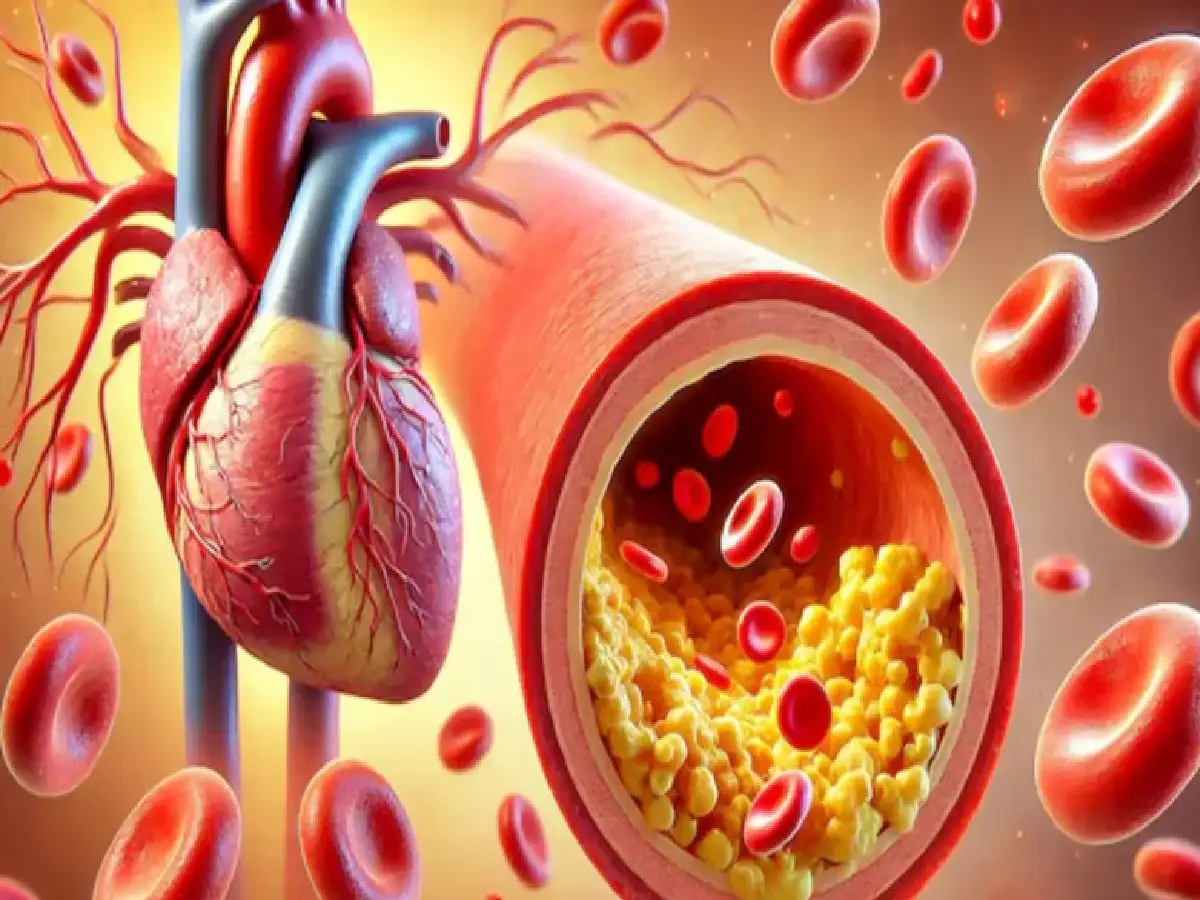
Vitamin K plays a key role in helping the blood clot properly, which prevents excessive bleeding after cuts or injuries. It also contributes to maintaining healthy, strong bones by supporting the body's ability to use calcium effectively. Some studies also suggest that vitamin K may contribute to heart and blood vessel health, making it an important part of a nutritious diet.
Top Vitamin K-Rich Foods to Add to Your Plate
One of the easiest ways to get enough vitamin K is by eating a variety of green vegetables. Excellent sources include:
-
Spinach
-
Kale
-
Broccoli
-
Cabbage
-
Mustard greens
-
Other leafy green vegetables
Vitamin K is also present in soybean oil and canola oil. Smaller amounts can be found in eggs, meat, and certain dairy products. Including these foods regularly in your meals can help meet your body's vitamin K needs naturally.
Signs You May Be Deficient in Vitamin K
A vitamin K deficiency can show up in several ways. Common signs include:
-
Bleeding that takes longer than usual to stop after a cut or injury
-
Easy bruising
-
Frequent bleeding from the gums or nose
-
Increased risk of bone weakness over time
These symptoms can also be linked to other health conditions, so it is important to consult a healthcare professional for an accurate diagnosis if you experience them.
Should You Take Vitamin K Supplements?
For most healthy individuals, a balanced diet provides sufficient vitamin K, making supplements unnecessary. However, certain medical conditions or medications can affect vitamin K levels, in which case a doctor may recommend supplements.
People taking blood-thinning medications should never start vitamin K supplements without medical advice, as they can interfere with the effectiveness of these medicines.
The Bottom Line
Vitamin K may not receive as much attention as other vitamins, but it plays a crucial role in keeping your body healthy. Eating plenty of leafy green vegetables and maintaining a balanced diet is usually enough to meet your daily requirement and support healthy blood clotting, strong bones, and overall well-being.