INTERNATIONAL
Trump Administration Tightens Green Card Rules, Indian H-1B Visa Holders May Face Major Impact
Thousands of Indians waiting for permanent residency in the United States could face fresh challenges after the administration of Donald Trump announced a major shift in green card processing rules. The new immigration policy is expected to significantly affect international students, H-1B visa professionals, and temporary residents hoping to secure permanent status without leaving the country.
Under the revised framework introduced by the United States Citizenship and Immigration Services (USCIS), many foreign nationals seeking a green card may now be required to return to their home country and complete the immigration process through American embassies or consulates abroad.
The move marks a significant change in how permanent residency applications are handled in the United States and has already triggered concern among immigrant communities, especially skilled Indian workers employed in the American technology and corporate sectors.
Major Change in Green Card Application Process
Until now, many immigrants living legally in the United States could apply for permanent residency through a process known as “Adjustment of Status.” This allowed eligible individuals already residing in the country to complete green card formalities without traveling back to their home nation.
However, the newly announced policy changes are expected to restrict that pathway in most situations.
According to updated USCIS guidance, applicants seeking lawful permanent resident status will generally be required to leave the United States and finish their immigration processing from outside the country. Only exceptional cases may qualify for exemptions under the revised system.
Immigration officials say the policy is intended to restore what the administration describes as the “original purpose” of America’s immigration framework.
USCIS Explains the Reason Behind the Policy
USCIS officials stated that the revised rules are designed to reduce misuse of temporary visa categories and prevent individuals from overstaying their permitted duration in the United States.
A spokesperson for the agency reportedly said that individuals who entered the country on temporary visas — including student visas, tourist visas, and work permits — should not automatically treat those categories as a direct route to permanent residency.
The agency also argued that requiring applicants to return to their home country would help authorities better monitor immigration compliance and reduce cases where applicants remain in the US illegally after visa expiration or green card rejection.
According to the updated policy memo, “Adjustment of Status” inside the United States will now be treated as an exceptional benefit rather than a routine immigration process.
Indian Professionals and Students Likely to Be Hit Hardest
The biggest impact of the new rules could fall on Indian nationals, many of whom currently live and work in the United States under H-1B visas or student visa programs.
India remains one of the largest contributors to America’s skilled foreign workforce, particularly in sectors such as information technology, engineering, healthcare, and finance. A large number of Indian professionals depend on employment-based green card applications to secure long-term residency in the US.
Under the revised rules, applicants may now have to leave their jobs, relocate temporarily, and complete consular processing from India before receiving permanent resident approval.
Immigration experts believe this could create uncertainty for thousands of families already facing long waiting periods in the green card backlog system.
International students studying in American universities may also face additional complications if they planned to transition directly from temporary educational status to permanent residency inside the country.
Case-by-Case Review Under New Guidelines
The updated USCIS policy states that immigration officers will continue to evaluate cases individually. However, approvals for in-country adjustment requests are expected to become much more limited than before.
The Department of Homeland Security (DHS) also supported the new policy, stating that temporary immigration categories were originally created for limited purposes and not intended to become automatic stepping stones toward citizenship.
Officials added that the revised framework aims to strengthen immigration enforcement and close loopholes that allegedly allowed misuse of the system.
What a Green Card Means in the United States
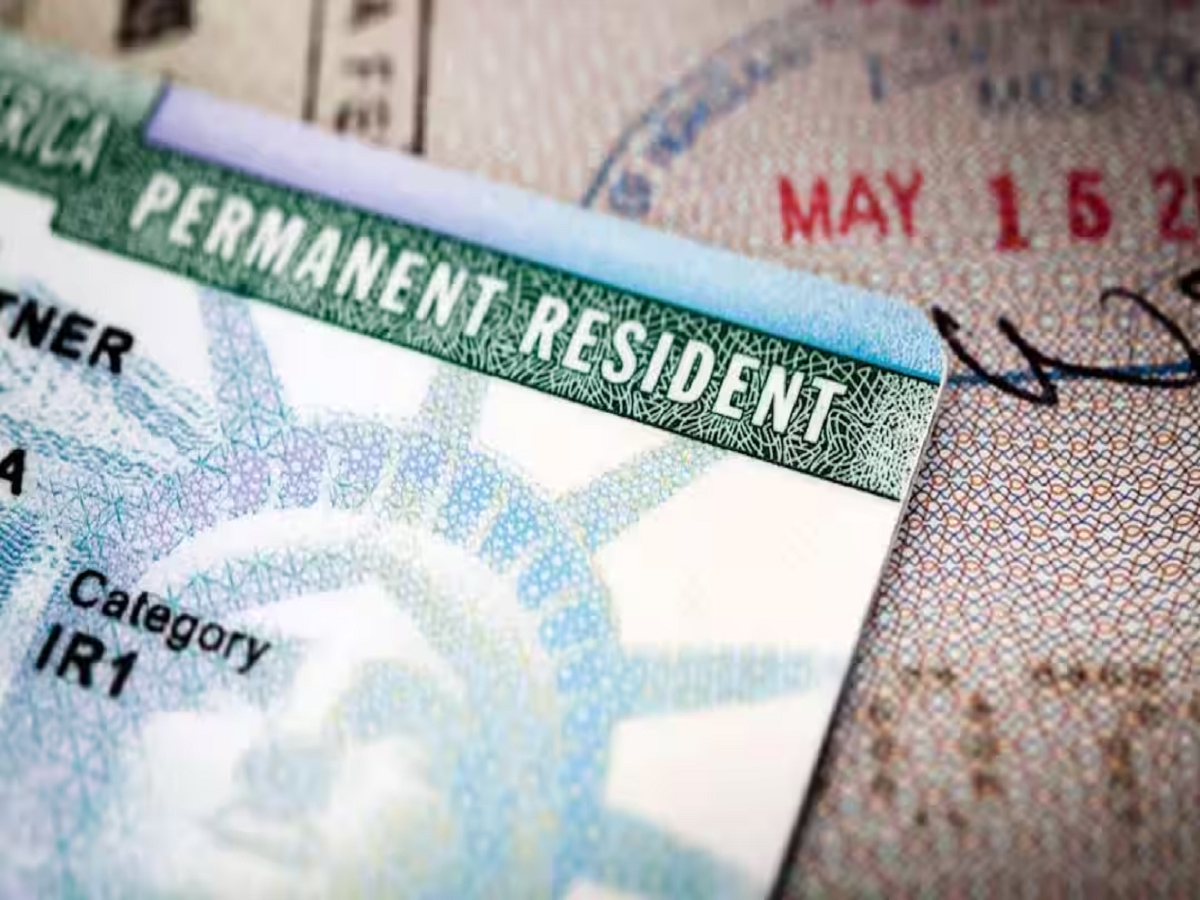
A US green card serves as official proof of lawful permanent residency. Green card holders can legally live, work, and study anywhere in the United States and may eventually become eligible for American citizenship after meeting residency requirements.
For many immigrants, especially highly skilled professionals from India, obtaining a green card is considered a critical step toward long-term stability, career growth, and family settlement in the United States.
Growing Debate Around US Immigration Policies
The latest changes have sparked debate among immigration lawyers, employers, and advocacy groups. Critics argue that forcing applicants to leave the country during processing may disrupt careers, separate families, and increase uncertainty for legally employed workers.
Supporters of stricter immigration controls, however, believe the policy could help reinforce visa rules and discourage misuse of temporary immigration categories.
As the new rules begin to take effect, immigration experts expect growing demand for legal guidance among foreign workers and students trying to understand how the revised system may affect their future plans in the United States.