AUTO
The secret slips out before launch! Maruti e-Vitara’s engine (powertrain) options revealed — and they’re surprising
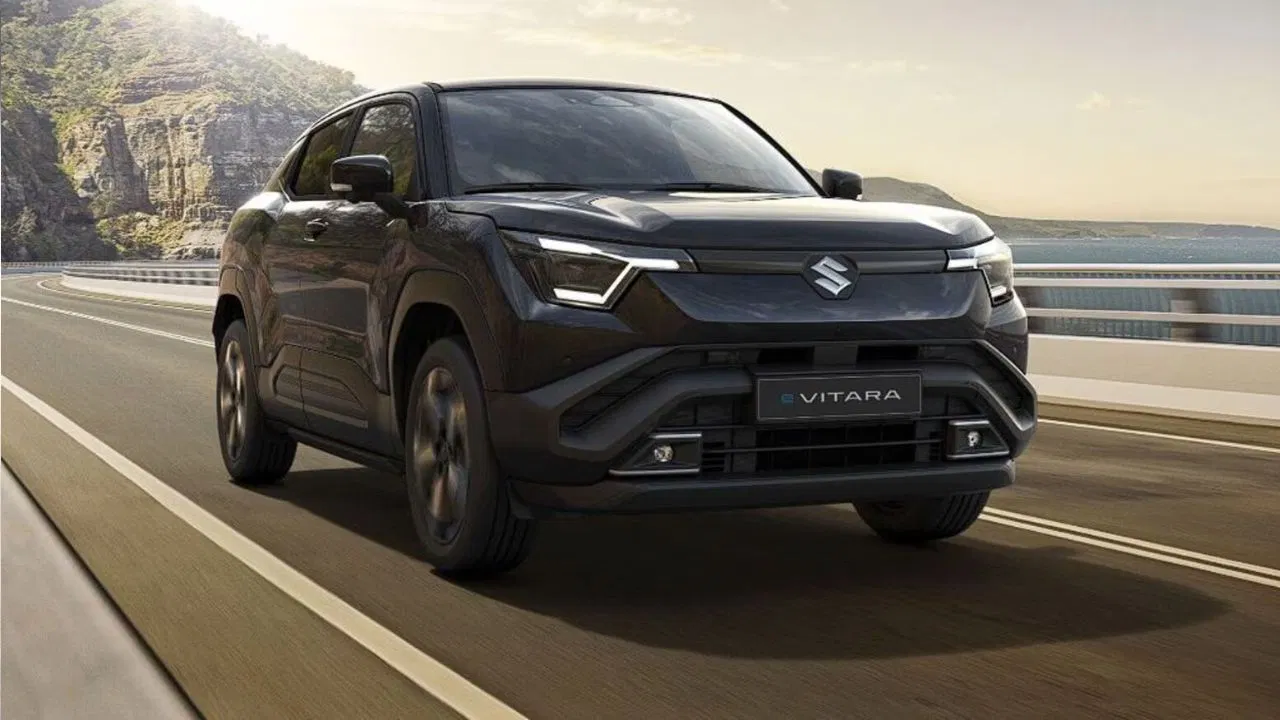
Maruti Suzuki is preparing for a blockbuster end to the year. On December 2, the company will finally launch its first fully electric car in India — the much-awaited Maruti Suzuki e-Vitara. With this, Maruti will officially enter the growing EV segment and join the list of manufacturers offering electric SUVs in the Indian market.
Price announcement on December 2
Though the e-Vitara has already been showcased globally, the India-specific price and variant lineup will be revealed at the launch event. This electric SUV is the first of four battery-electric vehicles Maruti plans to introduce by 2030 — marking a major shift in the company’s strategy.
Here’s everything we know so far about the e-Vitara before its official debut in India.
Maruti Suzuki e-Vitara: Powerful features
The e-Vitara will come loaded with several premium features, including:
• LED projector headlamps
• Electric sunroof
• Multiple drive modes
• 10-way powered driver seat
• Ventilated front seats
• Large touchscreen with Suzuki Connect
• Wireless connectivity
• Level-2 ADAS
• 360-degree camera
• TPMS (Tyre Pressure Monitoring System)
• Seven airbags
Overall, Maruti seems to have equipped the e-Vitara with everything required to compete with modern electric SUVs.
Maruti Suzuki e-Vitara: Powertrain options revealed
The biggest highlight is the EV’s powertrain. Maruti will offer the e-Vitara with two battery pack options:
• 48.8 kWh
• 61.1 kWh (larger, long-range option)
Both batteries will power a single electric motor mounted on the front axle. Maruti claims the e-Vitara will deliver up to 500 km of range on a single charge — putting it toe-to-toe with leading EV rivals.
Charging time
The company says the battery can charge from 0 to 80% in just 50 minutes using a DC fast charger, making it practical for long-distance users.
With strong features, competitive range, and Maruti’s brand trust, the e-Vitara is already creating a buzz — and the launch hasn’t even happened yet.