BUSINESS
The New Era of Identity Verification: Understanding the Massive Shifts in India’s PAN and Aadhaar Framework
For nearly a decade, the relationship between the Permanent Account Number (PAN) and Aadhaar has been one of the most critical elements of India's personal finance compliance. The simplified "Aadhaar-only" route allowed millions of citizens to generate instant e-PAN cards, streamlining tax registrations overnight. However, a series of structural overhauls introduced by the Central Board of Direct Taxes (CBDT) and the Income Tax Department has officially brought that era to a close.
India's identity and tax verification ecosystem has shifted focus away from basic manual entries toward automated, multi-document validation. For everyday taxpayers, salaried employees, and business owners, staying compliant now requires navigating stricter documentation standards, precise automated matching, and completely redesigned structural application formats.
The Demise of the "Aadhaar-Only" Registration
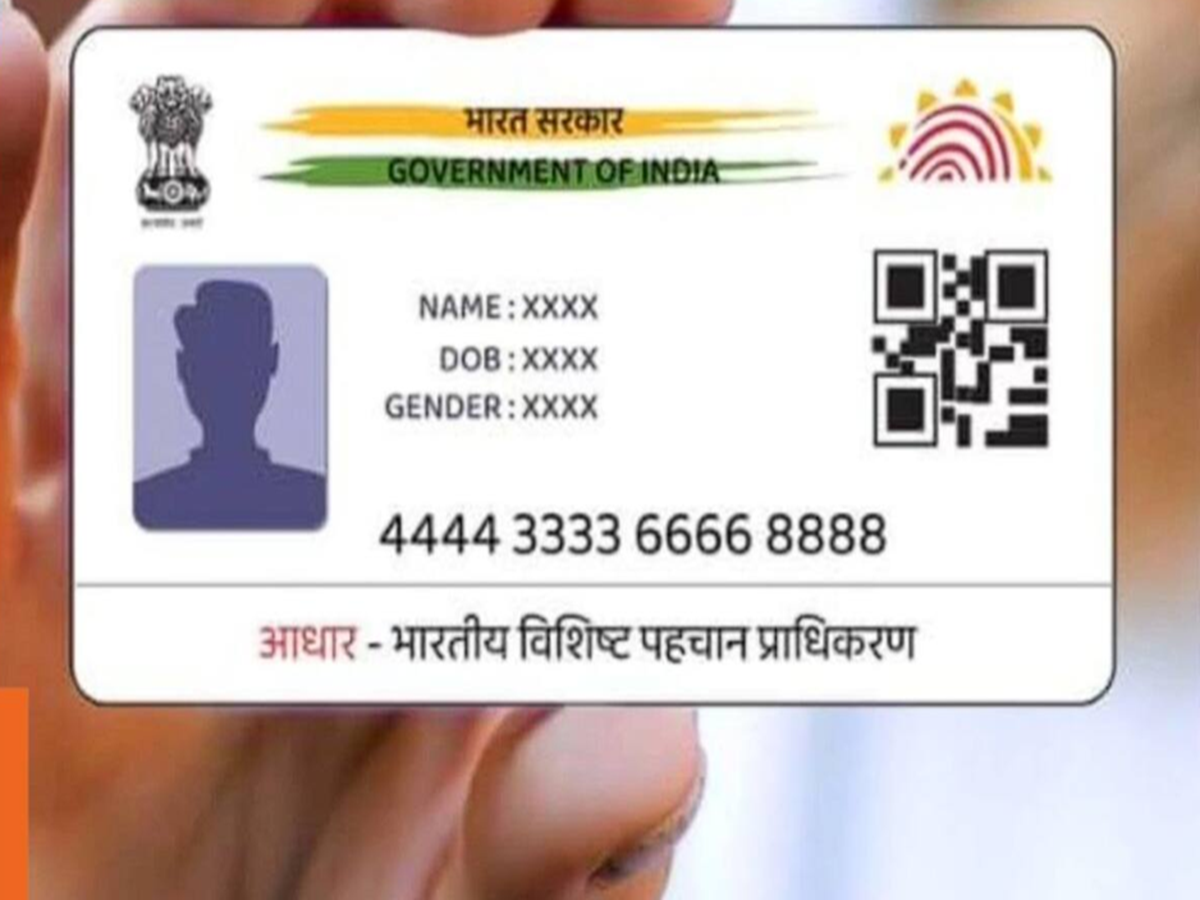
The absolute biggest policy shift involves the discontinuation of the simplified PAN allocation route. The long-standing practice of utilizing a single Aadhaar card to fulfill the requirements of identity, address, and date of birth simultaneously is no longer valid.
The government has mandated that an Aadhaar card alone is insufficient to secure or update a PAN. Applicants must now submit secondary, legally independent evidence to substantiate their core profile metrics, particularly their exact Date of Birth (DOB). This means that alongside standard biometric-linked identity, you must be prepared to present an officially recognized alternative record, such as a formal birth certificate issued by a competent municipal authority, a Class 10 (SSLC) marksheet, a valid Indian Passport, a Voter ID card, or a registered Driving License.
Strict Automated Matching Replaces Human Discretion
Minor inconsistencies that used to be overlooked during processing—such as a misplaced middle initial, minor variations in surname spelling, or inconsistent character spacing between documents—are no longer tolerated.
The updated verification backend relies on an unyielding automated data-matching system. Moving forward, any application for a new card or data correction will face immediate rejection by the validation servers if the name, gender, or date of birth details do not mirror your official data pool character-for-character. If a mismatch exists, citizens must first file a correction application with the Unique Identification Authority of India (UIDAI) to correct their underlying records before attempting to touch their tax profile.
Out With the Old: The Introduction of Form 93 and Form 95
The administrative forms that have been in use for years have been permanently retired to accommodate the stricter data requirements. The legacy Form 49A, which generations of Indian citizens and corporate entities used to apply for a standard financial number, has been completely replaced by the newly designed Form No. 93.
Similarly, foreign nationals, non-residents, and offshore entities who previously registered via Form 49AA must now utilize the expanded Form No. 95. Any attempt to submit paperwork or upload details using the older legacy formats will result in an automated cancellation of the request.
Financial Repercussions: The Threat of Inoperative Status
For those who have delayed linking their existing financial profiles, the systemic consequences are severe. An unlinked or inoperative status acts as an immediate lock on vital financial activities.
-
Tax and Refund Complications: Individuals with inoperative cards are entirely blocked from processing Income Tax Returns (ITRs) or claiming pending tax refunds. Furthermore, the government will not pay out any interest on stuck refunds during the period the card remains non-compliant.
-
Punitive Deductions: Under Sections 206AA and 206CC of the Income Tax Act, any entity drawing an income, salary, or dividend while carrying an inoperative profile will face Tax Deducted at Source (TDS) and Tax Collected at Source (TCS) levied at the highest punitive legal rates.
-
Banking and Investment Freezes: Financial institutions, stockbrokers, and mutual fund houses are systematically required to freeze accounts that fail to meet active Know Your Customer (KYC) compliance. New credit card approvals, loan processing, and high-value investment redemptions will be completely halted.
-
Reactivation Penalties: Restoring an inoperative status back to active functional health requires paying a mandatory ₹1,000 late-linking fine under a single specific transaction challan, after which validation and reactivation can take anywhere from 7 to 30 days.
Easing Thresholds for High-Value Transactions
While the documentation rules have grown noticeably stricter, the revised framework does offer a silver lining by adjusting reporting thresholds to match modern inflation realities. To reduce bureaucratic overhead on common transactions, the government has updated its reporting criteria. The mandatory requirement to quote a financial card during the buying or selling of immovable property has been raised from its previous limit of ₹10 lakhs to a more practical ₹20 lakhs. Similarly, reporting caps for major vehicular purchases have been adjusted upward to protect ordinary consumers from unnecessary documentation loops.