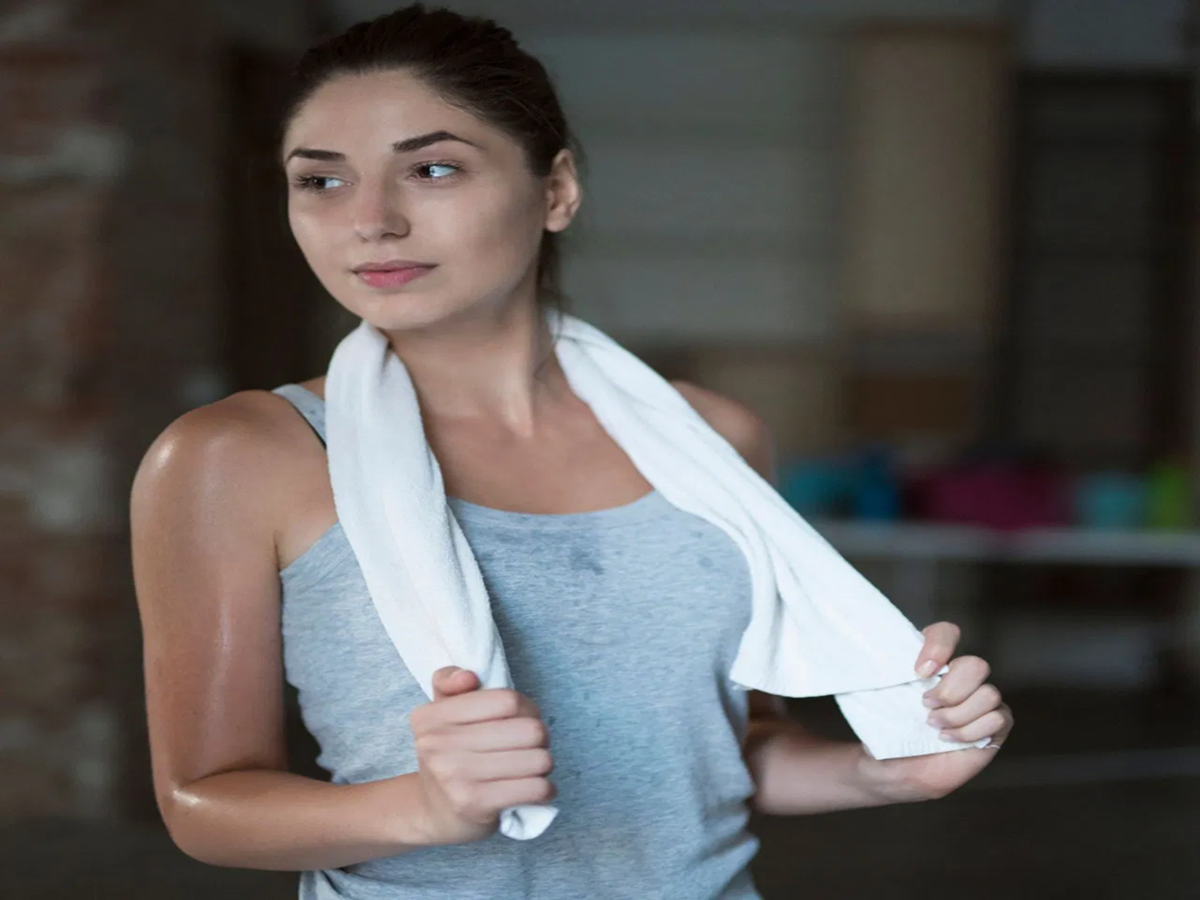
Many people believe that the more they sweat during a workout, the more fat they're burning. It's a common fitness myth that often leads people to judge the effectiveness of their exercise session by how drenched they are afterward. But is there really a connection between sweating and fat loss?
According to experts, the answer is no.
Sweating Is Your Body's Cooling System
Dr. Ankit Bansal, Consultant in Internal Medicine, explains that sweating is simply the body's natural way of regulating temperature. When your body heats up due to exercise, hot weather, or even spicy foods, sweat helps cool you down.
In other words, sweating is a response to heat—not a direct indicator of how much fat you're burning.
Sweat Doesn't Equal Fat Burn
While intense workouts may make you sweat more, the sweat itself is mostly water along with small amounts of salt and minerals. The process of sweating does not remove body fat.
Factors that can increase sweating include:
-
High temperatures and humidity
-
Intense physical activity
-
Spicy foods
-
Individual genetics
-
Certain medical conditions
None of these factors automatically mean you're losing more fat.
Why the Scale Drops After a Workout
Have you ever noticed your weight is slightly lower after exercising? That's usually due to temporary water loss through sweat, not fat loss.
Once you rehydrate by drinking water and replenishing fluids, your body weight generally returns to normal. This is why post-workout weight changes shouldn't be mistaken for actual fat loss.
So, When Does Fat Loss Happen?
Fat loss occurs when your body uses stored fat as a source of energy, typically when you consistently burn more calories than you consume over time. This process is influenced by your overall lifestyle, not by how much you sweat.
A person who sweats very little during exercise can still burn significant calories and lose fat effectively.
What Really Matters for Weight Loss
If your goal is to reduce body fat, focus on these proven habits:
-
Regular physical activity
-
A balanced, calorie-conscious diet
-
Adequate protein intake
-
Quality sleep
-
Consistent healthy lifestyle habits
-
Long-term calorie balance
The Bottom Line
Sweating may make you feel like you've had a great workout, but it isn't a reliable measure of fat loss. The amount of sweat you produce reflects how your body regulates temperature, while actual fat loss depends on calorie expenditure, nutrition, and consistency. So instead of tracking sweat, focus on sustainable fitness and healthy habits for lasting results.