LIFESTYLE
Solo Travel Safety Guide: How First-Time Explorers Can Travel the World Securely and Confidently
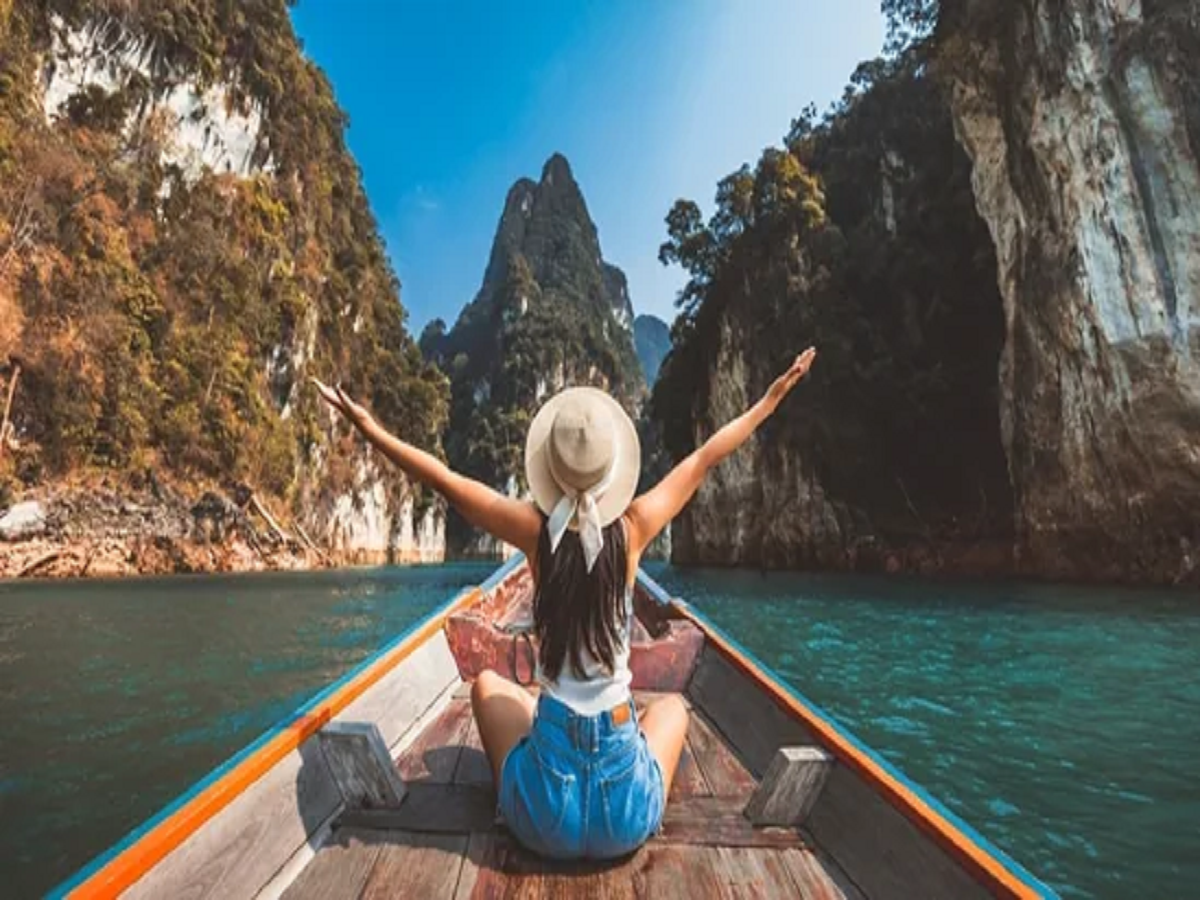
Solo travel has become increasingly popular as more individuals seek independence, personal growth and meaningful global experiences. Travelling alone can be empowering, but safety must remain a central priority. First-time solo travellers often experience a mix of excitement and uncertainty. With proper preparation, situational awareness and thoughtful decision-making, independent travel can be both secure and rewarding.
This guide outlines essential safety practices to help first-time solo explorers navigate new destinations with confidence.
Planning and Research Before Departure
Thorough preparation is the foundation of safe solo travel. Understanding local customs, transport systems, cultural norms and potential safety concerns can significantly reduce risks. Reviewing official travel advisories and reading verified accommodation reviews can help travellers choose safe neighbourhoods and reliable lodging options.
Learning a few basic phrases in the local language may assist during emergencies and improve communication. Booking accommodation in well-populated, central areas is advisable, particularly for first-time solo travellers.
Creating a clear travel itinerary and sharing it with trusted family members or friends ensures someone is aware of your plans. Important documents — including passports, identification and travel insurance details — should be stored securely in both digital and physical formats. Travel insurance is particularly valuable, offering financial protection against medical emergencies, lost luggage or unexpected cancellations.
Staying Alert and Aware
Maintaining awareness of surroundings is essential when travelling alone. Avoid displaying expensive jewellery, large sums of cash or high-value electronics in crowded spaces. Pickpocketing is more common in busy tourist areas, so securing belongings with anti-theft bags or money belts is recommended.
While meeting new people is part of the travel experience, it is important not to overshare personal information. Trusting one’s instincts is critical — if a situation feels uncomfortable, relocating to a safer, well-lit area is the best course of action.
Keeping a mobile phone charged and emergency contacts easily accessible enhances personal security.
Choosing Safe Transport Options
Transport decisions can significantly affect safety. Pre-booked taxis, verified ride-hailing services and officially recommended public transport options are generally safer than unlicensed providers. Always confirm vehicle details before entering a taxi or private car.
For first-time solo travellers, daytime travel is often safer than late-night journeys. If travelling at night is unavoidable, remain in busy, well-lit areas and avoid isolated streets. Carrying a portable power bank ensures communication remains available during long trips.
Protecting Digital Security
Digital safety is an often-overlooked aspect of solo travel. Public Wi-Fi networks should not be used for sensitive activities such as online banking or entering personal credentials. Using a secure connection or virtual private network (VPN) can help safeguard personal data.
Real-time social media updates should be shared cautiously. Broadcasting exact locations publicly may create unnecessary risks. Instead, share travel details privately with trusted contacts. Enabling device tracking features and updating security settings can also help protect personal devices.
Building Confidence Through Preparation
Confidence is a key element of safe solo travel. Preparation reduces uncertainty and builds self-assurance. Participating in guided tours or structured group activities can provide opportunities to explore safely while meeting fellow travellers.
It is also advisable to save local emergency numbers and identify nearby hospitals or police stations upon arrival. Writing down important contact details in addition to storing them digitally provides an extra layer of security.