BUSINESS
Rabi Crop MSP 2027-28: Government Announces New Minimum Support Prices for Wheat, Mustard and Other Crops
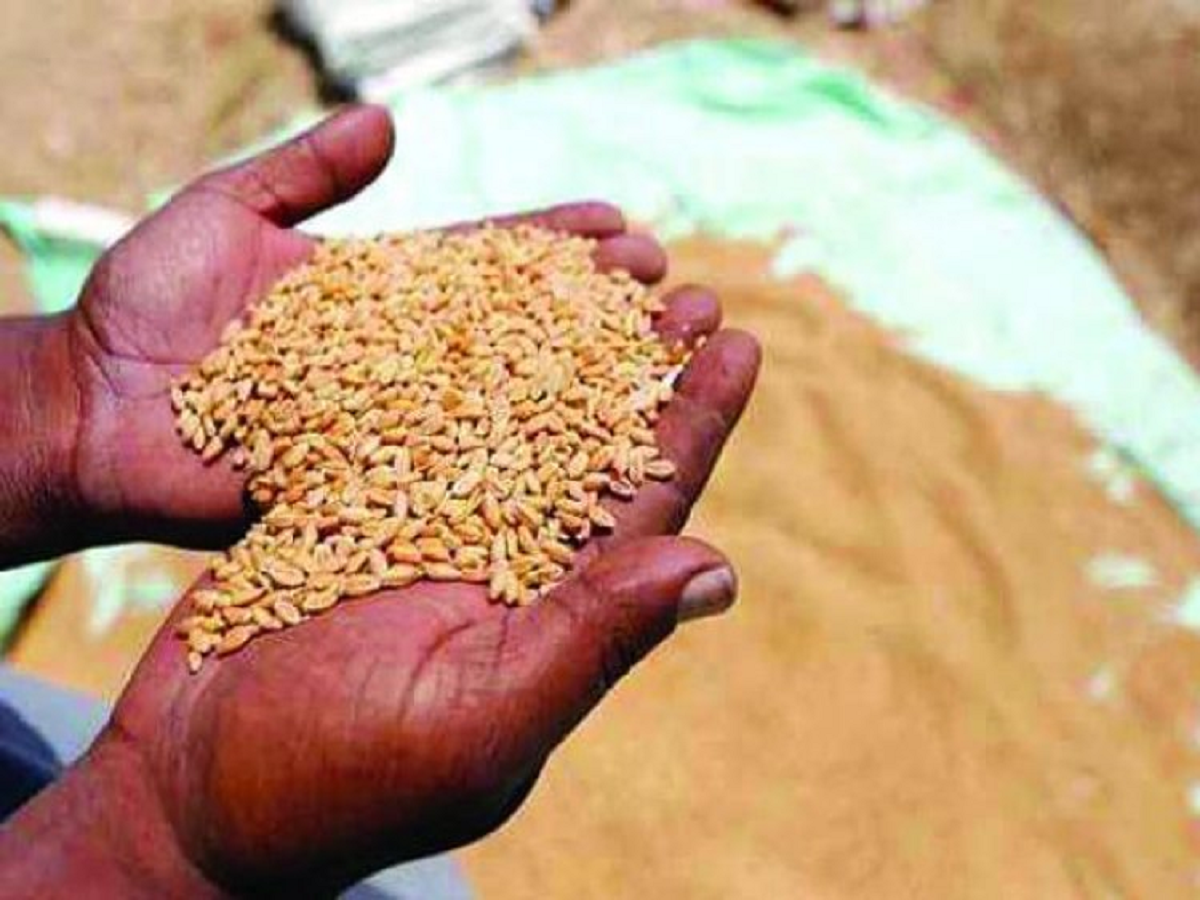
Farmers preparing for the Rabi sowing season have an important update from the Central Government. The government has announced revised Minimum Support Prices (MSP) for six Rabi crops for the 2027-28 marketing season.
The MSP system is designed to provide farmers with an assured minimum price for their produce when it is procured by government agencies. The latest revision aims to encourage cultivation, support farm incomes and ensure remunerative prices for important winter crops.
What Is MSP and Why Does It Matter?
Minimum Support Price is the price announced by the government for selected agricultural commodities before the marketing season.
It acts as a policy safeguard for farmers against a sharp fall in market prices. When eligible procurement takes place, farmers can sell their produce to designated government agencies at the announced MSP, subject to procurement arrangements and quality specifications.
The government announces MSPs for 22 mandated crops, based on recommendations from the Commission for Agricultural Costs and Prices (CACP).
New MSP Rates for Six Rabi Crops in 2027-28
The revised MSP rates per quintal are as follows:
| Crop | MSP for 2027-28 | Increase |
|---|---|---|
| Wheat | ₹2,610 | ₹25 |
| Barley | ₹2,286 | ₹136 |
| Gram | ₹5,958 | ₹83 |
| Lentil (Masur) | ₹7,390 | ₹390 |
| Rapeseed and Mustard | ₹6,613 | ₹413 |
| Safflower | ₹7,215 | ₹675 |
Safflower has received the highest increase of ₹675 per quintal, followed by mustard at ₹413 and lentil at ₹390. Wheat's MSP has increased by ₹25 compared with the previous marketing season. <Cite refs={["turn596177search0","turn596177search2"]}/>
How Does the Government Calculate MSP?
The Commission for Agricultural Costs and Prices (CACP) recommends MSP rates after considering several factors, including:
-
Cost of cultivation, including seeds, fertilisers and labour.
-
Demand and supply of agricultural produce.
-
Domestic and international market prices.
-
Changes in input costs.
-
Price differences between various crops.
-
The impact of pricing decisions on the wider economy.
The calculation also includes the estimated value of family labour used in farming. The government states that MSP is fixed at a minimum margin of 50% over the estimated cost of production, based on its prescribed cost calculation. <Cite refs={["turn596177search0","turn596177search2"]}/>
How Can Farmers Sell Their Crops at MSP?
Farmers should check the procurement arrangements in their state before taking their produce to a purchasing centre.
For wheat and other cereals, procurement is generally conducted through the Food Corporation of India (FCI) and designated state agencies.
For pulses and oilseeds, procurement can take place under the Price Support Scheme (PSS), which operates as part of PM-AASHA, subject to government approval and applicable conditions.
Farmers should:
-
Check the official state agriculture or procurement portal.
-
Complete farmer registration wherever required.
-
Keep Aadhaar, bank account and land-record details ready.
-
Check the designated procurement centre and registration dates.
-
Follow the prescribed quality and moisture requirements for the crop.
Biometric authentication is also used in procurement under the Price Support Scheme to verify farmers' identities. <Cite refs={["turn596177search0","turn596177search1"]}/>
Will Every Farmer Automatically Receive the MSP?
No. Announcement of an MSP does not mean that every farmer automatically receives that price for every sale.
Actual benefit depends on whether procurement is operational for the particular crop and location, whether the farmer meets registration requirements, and whether the produce satisfies the prescribed quality standards.
Farmers should therefore verify local procurement arrangements rather than assuming that private traders are required to purchase their crops at the announced MSP.
Government Estimates ₹90,962 Crore in Payments to Farmers
For the 2027-28 Rabi Marketing Season, the government estimates that approximately 324 lakh metric tonnes of produce will be procured, involving payments of around ₹90,962 crore to farmers.
The revised rates are intended to provide greater price assurance, encourage crop diversification and support farmers' decisions before the next marketing season. <Cite refs={["turn596177search0","turn596177search1"]}/>
Where to check official updates: Farmers can visit the <Link url="https://agriwelfare.gov.in/" title="Ministry of Agriculture and Farmers Welfare"/> website or contact their state's agriculture department for crop-specific procurement information.