LIFESTYLE
Protect Your Joints: Four Critical Workout Mistakes Sabotaging Your Knees and How to Fix Them
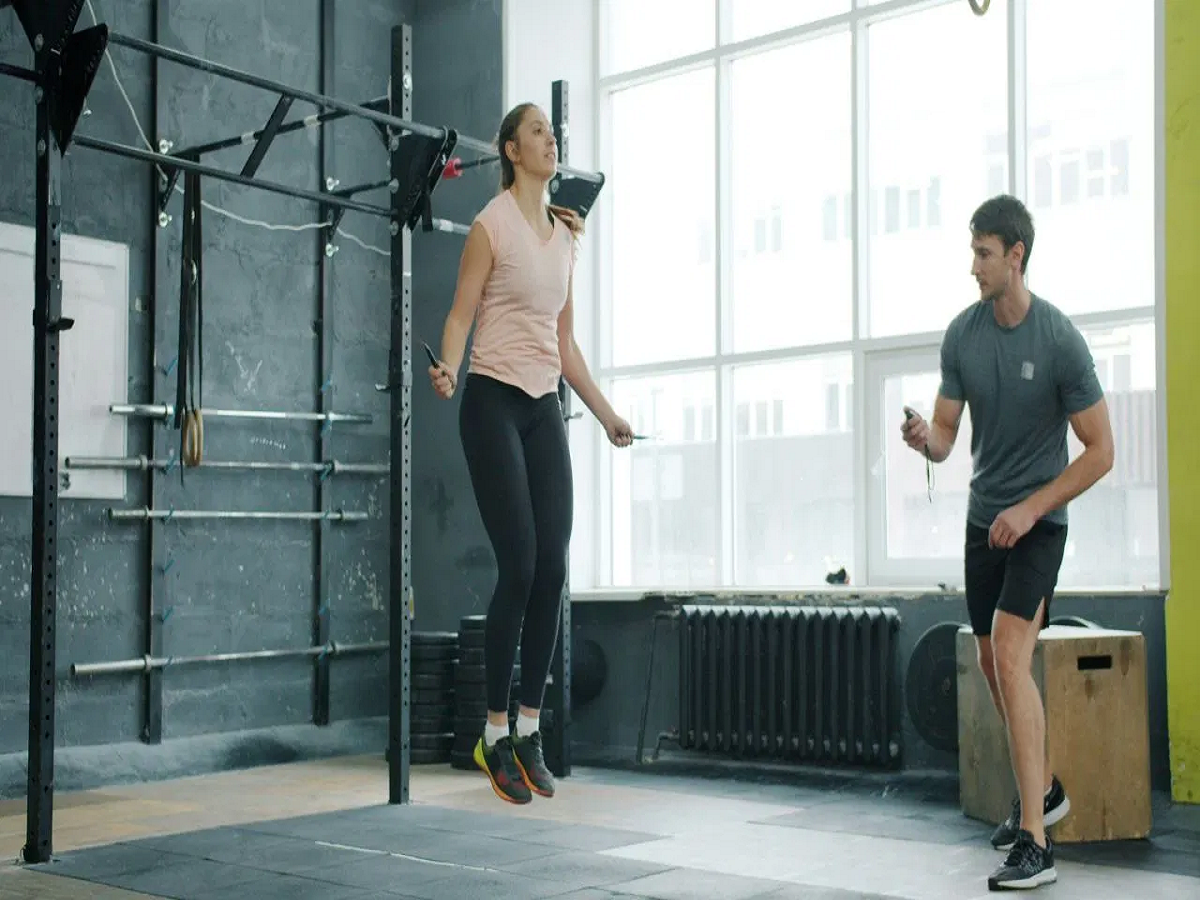
From taking a casual morning walk to executing heavy squats, our knees serve as the foundational shock absorbers for almost every movement we make. With the modern boom in gym culture, high-intensity interval training (HIIT), and rapid physical transformations, tracking our physical health has become a daily priority for millions.
However, in the frantic rush to hit aesthetic goals or torch calories, fitness enthusiasts frequently fall into bad habits that place destructive, unnatural pressure on their knee joints, cartilage, and ligaments. If you are noticing a dull ache or sudden clicking in your joints post-workout, you are likely making one of these four common training errors.
1. Stripping Away the Warm-Up
Skipping a warm-up to save ten minutes is one of the most expensive shortcuts you can take in fitness. When you transition directly from a sedentary state—like sitting at an office desk—straight into explosive movements like sprinting, jumping jacks, or heavy leg presses, your knee joints are caught completely off guard.
A lack of preparation forces cold, stiff muscle fibers and rigid tendons to absorb sudden impact energy that should be safely distributed across the lower body. Spending a mandatory 10 minutes performing dynamic stretches, light cycling, or bodyweight mobility drills increases blood circulation, triggers the release of lubricating synovial fluid inside the knee capsule, and expands joint flexibility.
2. Training with Compromised Bio-Mechanics
Executing lower-body movements with poor posture or improper form acts as a fast track to chronic joint degradation. Exercises like squats, lunges, and leg extensions are incredibly beneficial when done right, but minor alignment errors can prove disastrous.
When your knees cave inward (known as knee valgus) or shift too far forward past your toes during a heavy lift, the mechanical load shifts away from your powerful glutes and quadriceps, placing intense shear force directly onto your kneecaps and anterior cruciate ligaments (ACL). Over time, this imbalances the joint, resulting in chronic swelling, friction, and localized pain.
3. Falling into the Over-Training Trap
More is not always better when it comes to physical longevity. In an eager attempt to accelerate weight loss or muscle growth, many individuals subject their bodies to excessive, prolonged daily workouts without factoring in adequate rest periods.
Your joints and muscles do not grow stronger during the actual workout; they rebuild and adapt during periods of deep rest. Denying your body sufficient recovery time prevents micro-tears in the tendons from healing. This constant wear-and-tear gradually degrades the cartilage beneath the kneecap, leaving you vulnerable to overuse injuries like patellar tendonitis. Always listen to your body’s signals and cap your training volume based on your current physical capacity.
4. Working Out in Flat, Worn-Out, or Incorrect Footwear
Your choice of footwear dictates the entire alignment of your kinetic chain. Many people hit the gym or head out for a run wearing basic, flat-soled casual sneakers or heavily worn-out shoes that have completely lost their structural integrity.
Standard casual shoes lack the specialized arch support, heel stabilization, and advanced foam cushioning required to neutralize the repetitive impact of running or heavy lifting. Without proper sports shoes to absorb the initial shock of hitting the ground, that harsh kinetic energy travels directly up your ankles and slams into your knee joints. Investing in high-quality, activity-specific athletic shoes provides the necessary foundation to buffer your joints against heavy impact.
The Bottom Line: True fitness is a marathon, not a sprint, and your longevity depends entirely on how well you treat your joints. Pushing through joint pain is not a badge of honor—it is an invitation to long-term injury. By prioritizing a proper dynamic warm-up, perfecting your movement mechanics, selecting cushioned athletic footwear, and respecting your body's need for recovery, you can build a powerful, resilient physique while keeping your knees pain-free for life.