LIFESTYLE
Planning to Paint Your Home This Diwali? Don't Ignore These Health Precautions to Protect Your Family
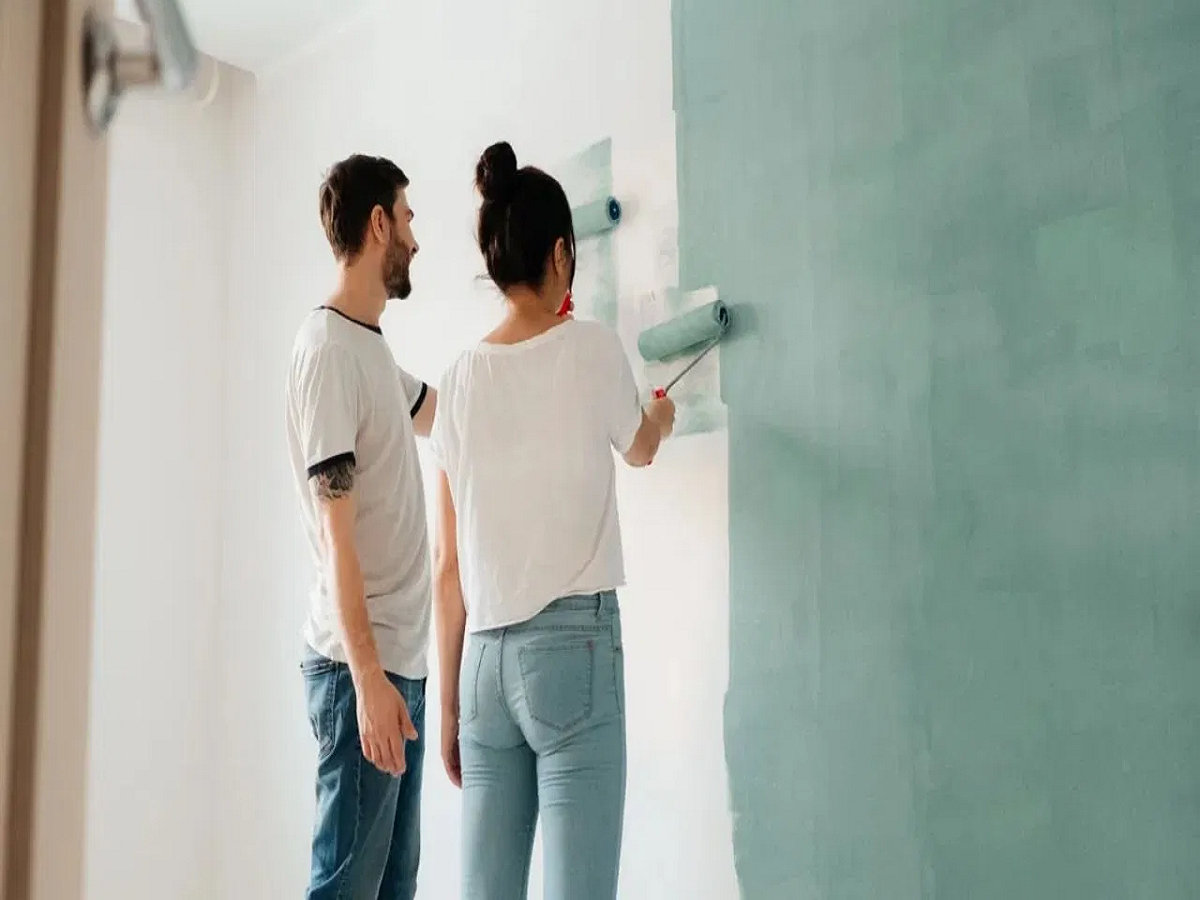
Diwali is one of the most popular occasions for giving homes a fresh makeover. From repainting walls to adding new colours and decorations, families often undertake renovation work before the festival. However, while choosing the perfect paint shade and finish, it is equally important to consider the impact of paint chemicals on your health.
Paints can release chemicals and fumes that may cause irritation, headaches, breathing difficulties and allergic reactions. Certain older paints may also contain lead, which is particularly dangerous for children because it can affect brain development and the nervous system. Therefore, choosing safe products and following basic precautions during painting is essential.
Here are some important things to keep in mind before starting your Diwali painting project.
1. Always Choose Lead-Free Paint
One of the first things to check while purchasing paint is whether it contains lead. Lead exposure can be particularly harmful to young children, as their developing brains and nervous systems are more vulnerable.
Even low levels of lead exposure can affect children's learning, behaviour and development. Adults can also experience health problems due to prolonged exposure.
Always purchase paints from reliable manufacturers and check product labels and safety certifications. Prefer products that comply with applicable lead-content regulations. If your home has old painted surfaces, take extra precautions before sanding or removing them, as old paint dust may contain lead.
2. Ensure Proper Ventilation During Painting
Paint fumes can accumulate inside closed rooms, increasing exposure to potentially harmful chemicals. This is why proper ventilation is extremely important during painting.
Keep windows and doors open wherever possible to allow fresh air to circulate. Exhaust fans can also help remove fumes and improve indoor air circulation.
Avoid spending extended periods inside freshly painted rooms, particularly when the paint smell is still strong. Follow the manufacturer's instructions regarding drying time and safe re-entry.
3. Protect Your Skin, Eyes and Respiratory System
Paint can cause irritation when it comes into direct contact with your skin or eyes. Similarly, inhaling paint fumes and dust may lead to respiratory discomfort.
If you are involved in painting work, take appropriate protective measures:
-
Wear a suitable mask or respirator depending on the paint and exposure.
-
Use protective goggles to prevent splashes from entering your eyes.
-
Wear full-sleeved clothing and gloves to minimise skin contact.
-
Cover your hair to prevent paint dust and splashes from settling on it.
-
Avoid touching your face while handling paint, brushes or other materials.
Remember that an ordinary cloth mask may not protect you against chemical vapours. Choose respiratory protection appropriate for the product being used.
4. Keep Children, Pregnant Women and Elderly People Away
Children are particularly vulnerable to the harmful effects of certain paint chemicals and lead exposure. Pregnant women should also avoid unnecessary exposure to paint fumes and solvents, as some chemicals may pose risks during pregnancy.
Elderly people and individuals with asthma, allergies or existing respiratory problems should also minimise their exposure.
Whenever possible, arrange for children and other vulnerable family members to stay somewhere else while painting is underway. They should return only after the recommended ventilation and drying period has passed.
5. Be Careful While Removing Old Paint
Painting does not only involve applying a fresh coat. Removing old paint, sanding walls and preparing surfaces can generate considerable dust.
If the existing paint contains lead, this dust can become a serious health hazard, especially for children.
Avoid dry sanding, scraping or using power tools on old painted surfaces without first checking for lead. Consider hiring trained professionals who can follow appropriate lead-safe work practices.
After the work is completed, clean the area carefully using wet-cleaning methods rather than dry sweeping, which can spread dust into the air.
6. Store Paint and Chemicals Safely
Paints, thinners and other painting materials should always be stored away from children and pets.
Keep containers tightly closed and place them in a secure, well-ventilated location. Never transfer paint or thinner into drinking-water bottles or food containers, as this can lead to accidental consumption.
Also, avoid disposing of leftover paint or chemicals directly into drains. Follow local waste-disposal guidelines.
Final Words
Giving your home a fresh look for Diwali is exciting, but your family's health should always come first. Choosing lead-free paints, maintaining proper ventilation, wearing protective equipment and keeping vulnerable family members away from painting activities can significantly reduce unnecessary exposure.
Before beginning your festive renovation, take a few minutes to check the paint labels and plan the work safely. A beautiful home is important, but a healthy home is even more valuable.