TECH
Online Shopping Scam Alert: Bank account may be emptied due to heavy discounts, know these important things before shopping
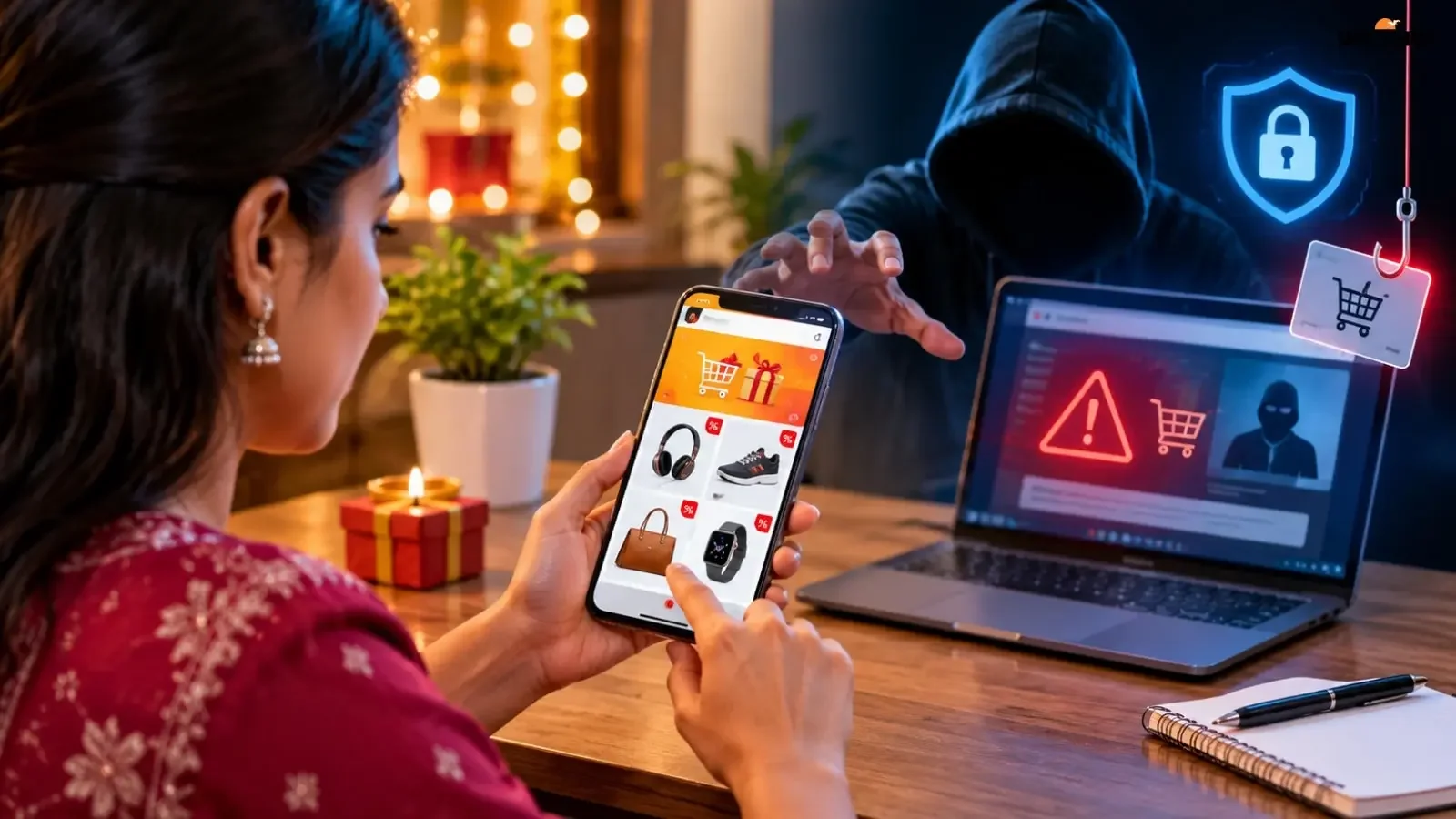
Online Shopping Fraud 2026: Important news for online shoppers. Even after the Diwali festival is over, the series of attractive offers and sales continues on e-commerce websites. People are shopping online to take advantage of the huge discounts available on Bhai Dooj, Black Friday and in the last months of the year. But cyber-criminals are also taking advantage of this opportunity. Fake shopping websites, fake discounts, messages of free gifts and cases of withdrawing money from people's bank accounts in the name of cashback are raising concerns. In such a situation, it is very important to take some necessary precautions before placing any order online.
Online Shopping Fraud: The lure of cheap goods can prove costly
Nowadays, buying clothes, electronics, household appliances, and everyday necessities using your mobile phone has become incredibly easy. E-commerce companies periodically hold large sales to attract customers.
However, with the growing popularity of online shopping, the risk of fraud has also increased. Cybercriminals lure customers with offers that they are likely to pay without due diligence.
Prabhat Khabar report published on 9 November 2026 provides information about various methods of fraud during online shopping and measures to avoid them.
The report, citing the GSMA India Consumer Scam Report 2026, states that approximately 12 percent of Indian consumers surveyed experienced some form of fraud in the past year. According to the report, 33 percent of reported fraud cases were related to online shopping.
However, these figures should be understood within the scope of the survey itself. They do not directly represent all online shopping in India.
Fake websites that look like the original can lead to fraud.
A major method used by cybercriminals is to imitate popular e-commerce websites.
Fraudsters create websites whose design, product photos and offer banners look like the website of a big shopping company.
These websites claim to offer expensive smartphones, branded clothes, laptops and home appliances at very low prices.
After a customer orders and pays, the goods are often not delivered. This can lead to the website being down or the customer's complaint going unanswered.
In some cases, attempts are also made to obtain customers' personal information and payment details through fake websites.
Therefore, before making a purchase on an unknown website, one must check its web address and seller information.
Beware of messages offering free mobile phones and expensive gifts.
Another method of online fraud is to lure people into winning prizes.
Many times messages are sent through WhatsApp, SMS or social media that you have won an expensive smartphone, shopping voucher or some special prize.
After this, you are asked to click on a link to receive the reward.
Such links may lead to a suspicious website where personal information, banking details or processing fees are asked for.
Scammers often also say that the offer will expire in a few minutes, with the intention of forcing the customer to make a hasty decision without thinking.
If you receive a message about winning a prize for a competition in which you did not participate, first confirm it through the official website of the concerned company.
Bank account can also be emptied through UPI and QR Code.
With the increasing use of digital payments, UPI-related fraud methods are also emerging.
Cyber criminals sometimes contact people posing as online sellers, sometimes as delivery agents and sometimes as customer care employees.
They may claim to issue a refund or cashback for your order and ask you to scan a QR code or enter your UPI PIN.
The most important thing to understand here is that generally there is no need to enter UPI PIN to receive money.
The UPI PIN is used to authorize payments. If someone asks you to enter your PIN in the name of receiving money, it could be a sign of fraud.
Never share your OTP, banking password, debit card PIN or UPI PIN with an unknown person.
8 ways you can get scammed while shopping online
|
Fake discount |
abnormally low price |
|
Fake shopping website |
Changes to the website name or spelling |
|
The lure of free gifts |
Asking for money or information to claim a prize |
|
fake gift voucher |
Pressure to claim vouchers from unknown links |
|
ticket booking fraud |
Cheap tickets on unofficial platforms |
|
QR Code Scam |
Asking for UPI PIN to receive money |
|
Fake refund calls |
Request for OTP and banking information |
|
Limited time offer |
Pressure to pay immediately |
Don't order immediately after seeing the 90% discount.
It is common to get huge discounts during the festive season, but not every attractive offer is reliable.
If the price of an expensive smartphone or electronic device is shown to be much lower than the market price, then take extra caution before purchasing.
For example, if a popular electronic product is being claimed to be sold at a fraction of its normal price, first compare its price on other trusted websites.
Also check the seller's credentials, customer reviews, return policy, and contact information.
It is not right to trust a website just by looking at its attractive design.
How to identify a fake shopping website?
Before making payment on any shopping website, read its URL carefully.
Scammers often create domain names that resemble those of major companies, perhaps with extra letters, numbers, or slight spelling changes.
Apart from this, also check whether the correct address of the company, customer support details and refund policy are available on the website or not.
It's also important to note that simply displaying HTTPS or a lock on a website doesn't guarantee its reliability. Fake websites can also use secure connections.
The best way is to open the official app of the respective company for shopping or enter its verified website address in the browser yourself.
Online Shopping Safety Tips: Follow these steps to keep your money safe
Some precautions while shopping online can help you avoid financial loss.
- Choose a trusted website: Use official apps or verified e-commerce platforms for shopping.
- Compare prices: Don't pay immediately if you see an unusually large discount.
- Avoid suspicious links: Do not open unknown offer links received on WhatsApp, SMS and social media.
- Keep banking information confidential: Do not share OTP, UPI PIN, card PIN and password with anyone.
- Check payment details: Before making a payment, please check the recipient's name and amount.
- Read the return policy: Understand the terms for returning goods and receiving a refund.
- Choose secure payment options: Where appropriate, use buyer protection payment options or genuine cash on delivery.
- Keep a record of the order: Keep the payment receipt, order number and related messages safe.
Where to complain immediately if there is online shopping fraud?
If you are financially defrauded while shopping online, you should not delay in filing a complaint.
Firstly, inform your bank or the concerned payment service provider about the incident and report the suspicious transaction.
Cyber financial fraud complaints in India can be lodged through the National Cyber Crime Helpline and the official portal.
National Cyber Crime Helpline
1930
Online Complaint: National Cyber Crime Reporting Portal
Keep the transaction number, payment details, screenshot and related message available while filing the complaint.
Filing a complaint early can help the bank and relevant authorities take action in a timely manner. However, there's no guarantee of getting the full amount of money back.
It is important to be cautious even during Black Friday and Year-End Sale
Online shopping continues even after Diwali. During Black Friday, winter sales, and year-end clearance offers, many companies offer discounts to attract customers.
Meanwhile, cybercriminals may try to target customers by spreading fake advertisements and fake promotional links.
Be especially wary of offers that pressure you to pay within a few minutes.
Taking a few extra minutes to check the website, seller and payment details before finalizing any order can prevent financial loss.
Conclusion: Take advantage of online discounts, but don't let your guard down
Shopping online saves time and often offers good deals, but making hasty decisions can lead to financial losses.
It is important to be cautious of fake websites, fake gift vouchers, suspicious QR codes and calls in the name of refund.
Remember, genuine discounts are meant to increase your savings, not empty your bank account. So, when shopping online, always verify any suspicious offers and keep your banking information safe.