AUTO
One Electric Car Counts as Three? India's New CAFE-III Rules Could Change the Future of the Auto Industry

India's automobile industry is preparing for a major regulatory shift as the proposed Corporate Average Fuel Efficiency (CAFE-III) norms are expected to take effect from April 1, 2027. These regulations are designed to push car manufacturers towards lower fuel consumption and reduced carbon dioxide emissions.
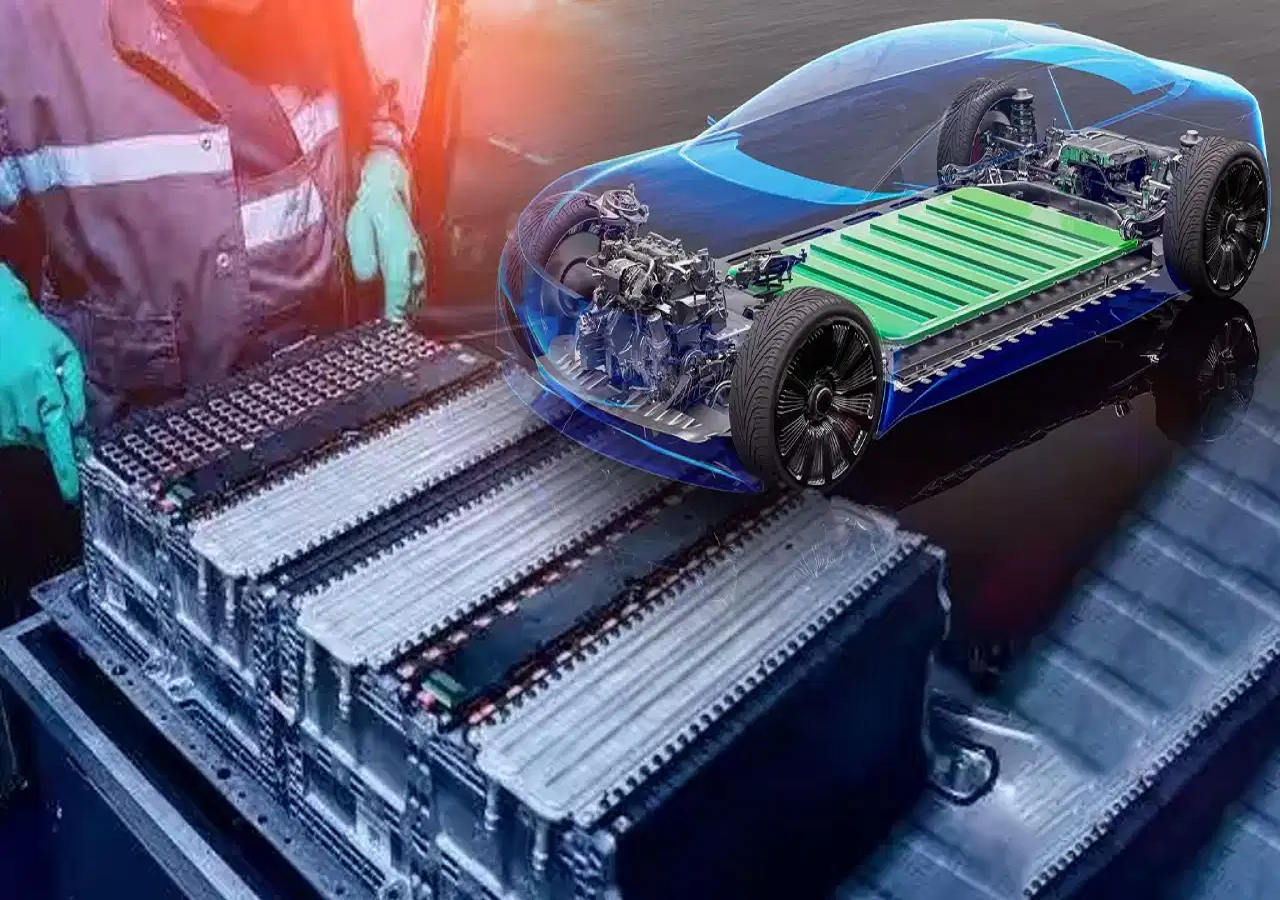
One provision has attracted particular attention: under the proposed framework described in reports, a single battery electric vehicle (EV) could receive a multiplier of three for certain regulatory calculations.
But does this mean that selling one electric car is equivalent to selling three vehicles? Not in actual sales figures. The multiplier is a regulatory incentive intended to reward cleaner vehicle technologies and help manufacturers meet fleet-wide efficiency requirements.
What Are CAFE-III Rules?
CAFE stands for Corporate Average Fuel Economy. These standards assess the average fuel consumption and associated emissions of the passenger vehicles sold by a manufacturer.
Instead of evaluating every vehicle in isolation, the regulations consider the manufacturer's fleet as a whole. Companies that sell large numbers of fuel-efficient vehicles can improve their overall average, while those relying heavily on less-efficient models may find it harder to meet the prescribed limits.
CAFE-III is intended to strengthen these requirements over time, encouraging manufacturers to develop cleaner powertrains and improve vehicle efficiency.
Why Could One EV Count as Three?
The proposed framework uses multipliers for selected vehicle technologies. Battery electric vehicles may receive a higher multiplier than conventional petrol and diesel cars because they have no tailpipe CO₂ emissions during driving.
The reported multipliers are:
-
Battery electric vehicles and range-extended electric vehicles: 3 times.
-
Plug-in hybrid and qualifying flex-fuel ethanol hybrid vehicles: 2.5 times.
-
Strong hybrid vehicles: 1.6 times.
-
Qualifying flex-fuel ethanol vehicles: 1.1 times.
These figures should be understood as reported regulatory multipliers, not additional vehicle sales. The final treatment depends on the applicable rules and their precise definitions.
The objective is to make cleaner technologies more attractive to manufacturers as they work towards meeting fleet-wide emissions requirements.
Understand the Rule With a Simple Example
Imagine a manufacturer sells 100 vehicles in a particular period, including 90 conventional cars and 10 eligible electric vehicles.
Its actual sales remain 100 vehicles. However, if the proposed three-times multiplier applies to the relevant calculation, each of the 10 EVs may receive additional weight under that regulatory mechanism.
This could improve the manufacturer's compliance position compared with a calculation that treats every vehicle identically.
Importantly, the multiplier does not mean the manufacturer has sold 120 or 130 cars. Nor does it automatically mean that its actual average fuel consumption or physical emissions have fallen by a corresponding percentage. The benefit depends on the specific calculation prescribed under the regulations.
Why Will the Rules Become Stricter Over Time?
CAFE-III is intended to progressively tighten fleet-efficiency requirements over the period covered by the framework.
As the permitted average fuel consumption declines, manufacturers may need to make improvements across their vehicle portfolios. These could include introducing more efficient petrol engines, expanding hybrid offerings, developing electric vehicles and improving vehicle aerodynamics and weight management.
For example, figures cited in reports for a reference fleet weight of 1,229 kg indicate an average fuel-consumption limit of 3.996 litres per 100 km in FY2028, falling to 3.3273 litres per 100 km by FY2032.
These figures should be checked against the final notified rules before being treated as binding limits, because the applicable calculation can depend on vehicle weight, regulatory definitions and other prescribed conditions.
Are Electric Cars the Only Way to Meet CAFE-III?
No. Electric vehicles are one potential route, but manufacturers can pursue several technologies to improve fleet efficiency.
Strong hybrids: These vehicles combine a combustion engine with an electric motor and battery. They can reduce fuel consumption, particularly in stop-and-go traffic.
Plug-in hybrids: These vehicles can travel on electricity charged from an external source and use a combustion engine when required.
CNG vehicles: Compressed natural gas can offer lower CO₂ emissions per kilometre than petrol in certain applications, although the overall environmental benefit depends on the fuel supply and vehicle efficiency.
Ethanol-compatible vehicles: Vehicles using qualifying ethanol blends may receive specific regulatory treatment, subject to the rules.
More efficient conventional cars: Improvements to engines, transmissions, aerodynamics and vehicle weight can also contribute to better fuel economy.
The exact credits and multipliers available to each technology will depend on the final regulatory provisions.
Could CAFE-III Make More EVs and Hybrids Available in Showrooms?
The regulations could influence the future product strategies of automobile manufacturers. Companies may evaluate the balance between petrol, diesel, hybrid, CNG and electric models according to their compliance requirements and customer demand.
Manufacturers with competitive EV offerings may find electric vehicles useful for meeting fleet-efficiency targets. Others may focus on improving conventional engines or expanding their hybrid portfolios.
For consumers, this could eventually mean more choices across different price ranges and powertrain technologies. However, the regulations alone do not guarantee that every manufacturer will launch new models within a particular period.
Vehicle prices, charging infrastructure, battery costs, customer preferences and production capacity will continue to influence which models reach the market.
What Does This Mean for Car Buyers?
CAFE-III is primarily a regulation for manufacturers, not a rule that requires individual consumers to purchase electric cars.
Nevertheless, its effects could reach buyers indirectly through changes in vehicle availability, technology choices and pricing strategies.
Before purchasing a vehicle, consumers should compare the total cost of ownership, including the purchase price, fuel or electricity expenses, insurance, maintenance, resale value and suitability for their daily travel.
An EV may be attractive for someone with convenient charging access and predictable daily driving, while a hybrid or efficient petrol car may suit someone with different travel requirements.
The Bottom Line
CAFE-III could make electric vehicles and other efficient technologies more important to India's automobile industry from 2027 onwards. The proposed three-times multiplier for eligible EVs is a regulatory mechanism, not a claim that one vehicle becomes three actual sales.
As fleet-efficiency standards tighten, manufacturers may have stronger reasons to invest in EVs, hybrids and fuel-efficient engines. The eventual impact on car prices, model launches and consumer choices will depend on the final rules and how manufacturers respond to them.