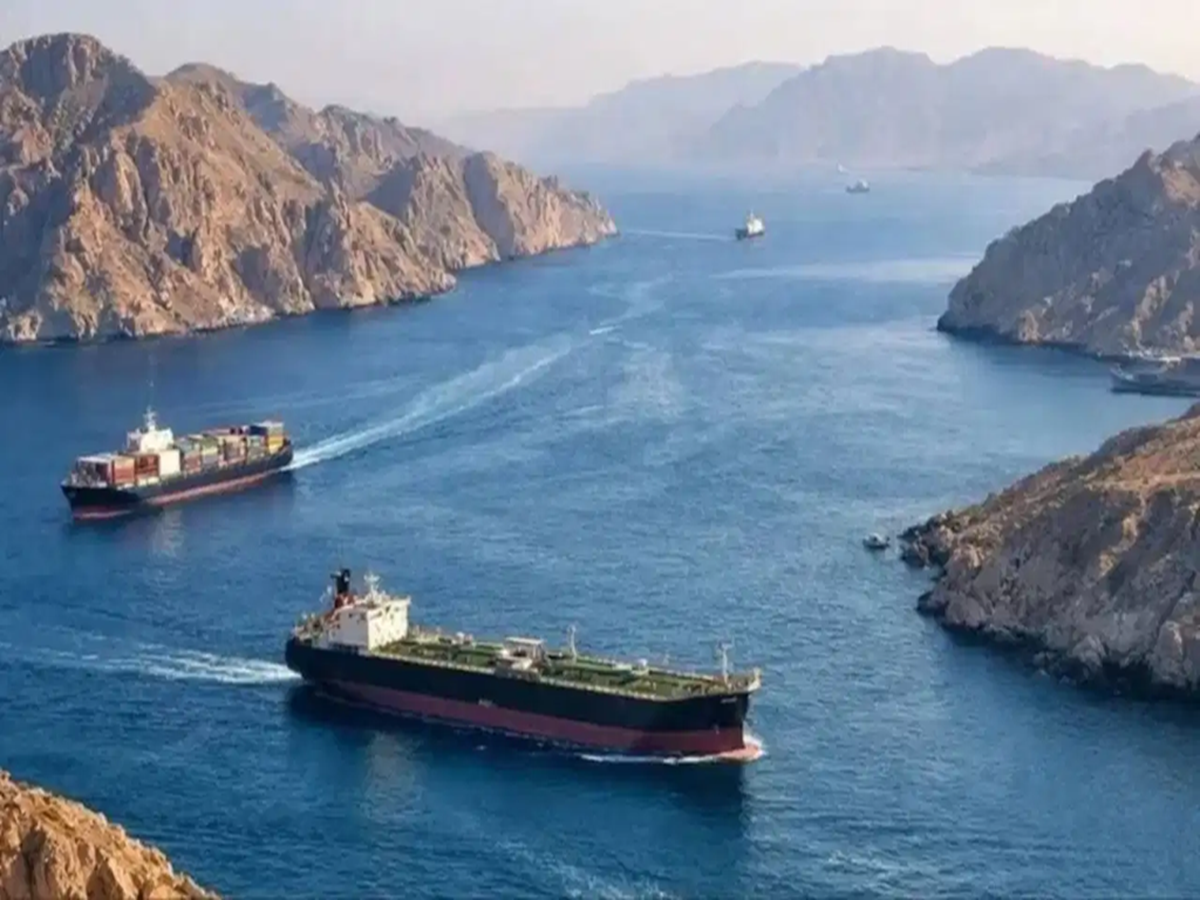
Global maritime trade has entered a risky new phase after escalating conflict in West Asia disrupted one of the world’s most important energy routes. Large oil and gas tankers are now increasingly operating in “stealth mode” to avoid potential attacks while crossing sensitive waters like the Strait of Hormuz.
Why ships are turning off tracking systems
Under normal international maritime rules, ships must keep their automatic identification system (AIS) active at all times. This system allows tracking of vessel location for safety and coordination.
However, many tankers are now deliberately switching it off—creating what the shipping industry calls a “shadow fleet” operation.
The reason is simple: safety.
Due to rising tensions and reported attacks in the region, even non-sanctioned commercial vessels are trying to avoid detection. According to recent shipping data cited in reports, a significant share of tankers passing through the Strait of Hormuz have been operating without active tracking signals.
Why the Strait of Hormuz is so sensitive
The Strait of Hormuz is one of the most critical energy chokepoints in the world, connecting the Persian Gulf to global shipping routes.
It handles a large share of global oil and gas exports, making it extremely vulnerable during conflicts. Any disruption here can immediately affect global energy prices and supply chains.
Impact on India’s energy supply
Despite the risks, shipments of crude oil, liquefied natural gas (LNG), and liquefied petroleum gas (LPG) continue to reach India without major disruption.
India relies heavily on this region:
- Around 40% of crude oil imports
- About 60% of LNG imports
- Nearly 90% of LPG imports
To reduce risk, even vessels carrying refined fuels like petrol, diesel, and aviation fuel are reportedly using AIS-off navigation during transit.
The risks of “dark shipping”
Turning off AIS may protect ships from being targeted, but it creates serious safety concerns:
- Increased risk of collisions in crowded sea lanes
- Reduced visibility for maritime authorities
- Difficulties in emergency response and rescue operations
- Higher insurance and operational risks
Normally, disabling AIS is associated with sanctions evasion, but now it is increasingly being used as a protective measure.
A new normal in global shipping
Industry experts believe this is no longer a rare tactic but an emerging operational reality in high-risk waters. Even major energy-exporting countries in the Gulf are reportedly adapting to this approach to ensure uninterrupted exports.
Countries such as the UAE, Qatar, and Saudi Arabia depend heavily on energy trade, making continuous shipping essential despite security concerns.
Conclusion
What was once a tool used mainly to avoid sanctions has now become a survival strategy in conflict zones. The global shipping industry is adapting to a “hidden movement” model in some regions, where safety, not transparency, is driving navigation decisions.