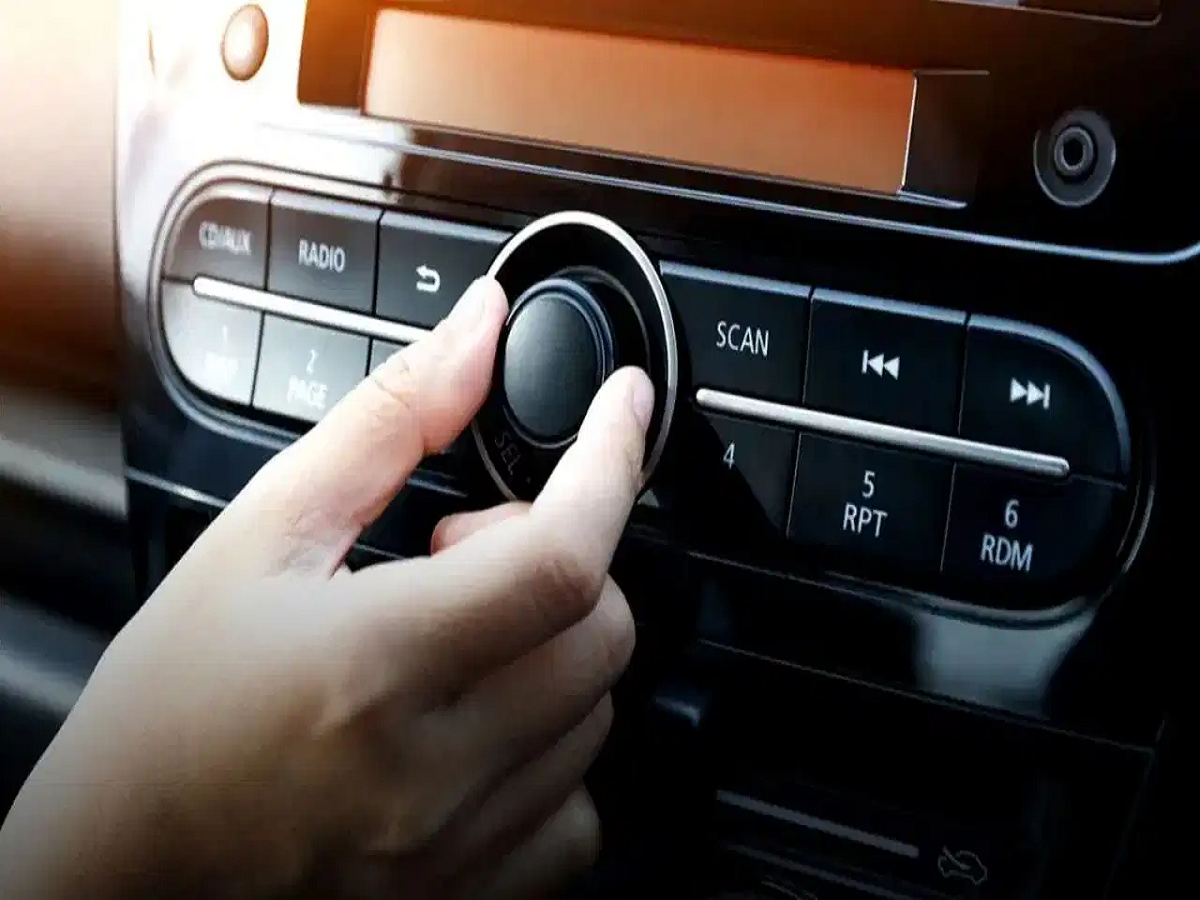
Listening to music while driving is a common habit, but new research has raised an interesting question: could the release of a highly anticipated album somehow be connected to an increase in fatal road accidents?
A US study found that fatal crashes increased by an average of 15.1% on days when major, popular music albums were released. However, researchers did not conclude that listening to music itself causes accidents. Instead, the findings point to a possible link between major album releases, music-related distractions, and driving behaviour.
How Was the Study Conducted?
The research, published in JAMA Network Open, examined fatal road crashes in the United States over approximately six years, from 2017 to 2022.
Researchers from Harvard combined information from the Fatality Analysis Reporting System (FARS) with Spotify streaming data and album release dates.
They compared fatal crash numbers on major album-release days with other days while accounting for factors such as:
-
Time of day
-
Day of the week
-
Number of occupants in the vehicle
-
Other factors that could influence crash risk
Despite these adjustments, the researchers observed an average 15.1% increase in fatal crashes on days associated with major album releases.
Does This Mean Listening to Music While Driving Is Dangerous?
Not necessarily.
The study found an association between major album release dates and fatal crashes, but that does not prove that music itself caused those accidents.
One possible explanation is that highly anticipated new music may encourage drivers to interact more with their phones or vehicle infotainment systems.
For example, a driver may pick up their phone to search for a newly released song, change an album, check streaming apps, or adjust a playlist.
Even a few seconds of looking away from the road can be dangerous, particularly at high speeds.
What About Loud or Fast Music?
Previous research has suggested that loud or fast-tempo music can influence driving behaviour in some situations. For certain drivers, high-energy music may be associated with faster or more aggressive driving.
However, these effects can vary significantly from person to person.
The bigger concern is distraction. Whether a driver is checking Spotify, changing a playlist, responding to a message, or adjusting another app, taking their attention away from the road increases the potential risk.
How to Listen to Music More Safely While Driving
You don't necessarily need to stop listening to music in the car. Instead, reduce the need to interact with your phone while driving.
A few simple precautions can help:
-
Choose your playlist before starting the journey.
-
Avoid searching for new songs while driving.
-
Don't repeatedly pick up your phone to change tracks.
-
Use voice commands or hands-free controls where available.
-
Keep your attention focused on traffic and road conditions.
The Main Takeaway
The research does not establish that new music directly causes road accidents. Instead, it highlights a potential connection between major album releases, driver behaviour, and distractions.
Music itself may not be the problem. The greater danger comes when drivers interact with their phones or infotainment systems while the vehicle is moving.
So, if a highly anticipated album drops while you're on the road, enjoy it—but set it up before you start driving. Keeping your eyes on the road and your hands off your phone remains one of the simplest ways to reduce distraction-related risks.