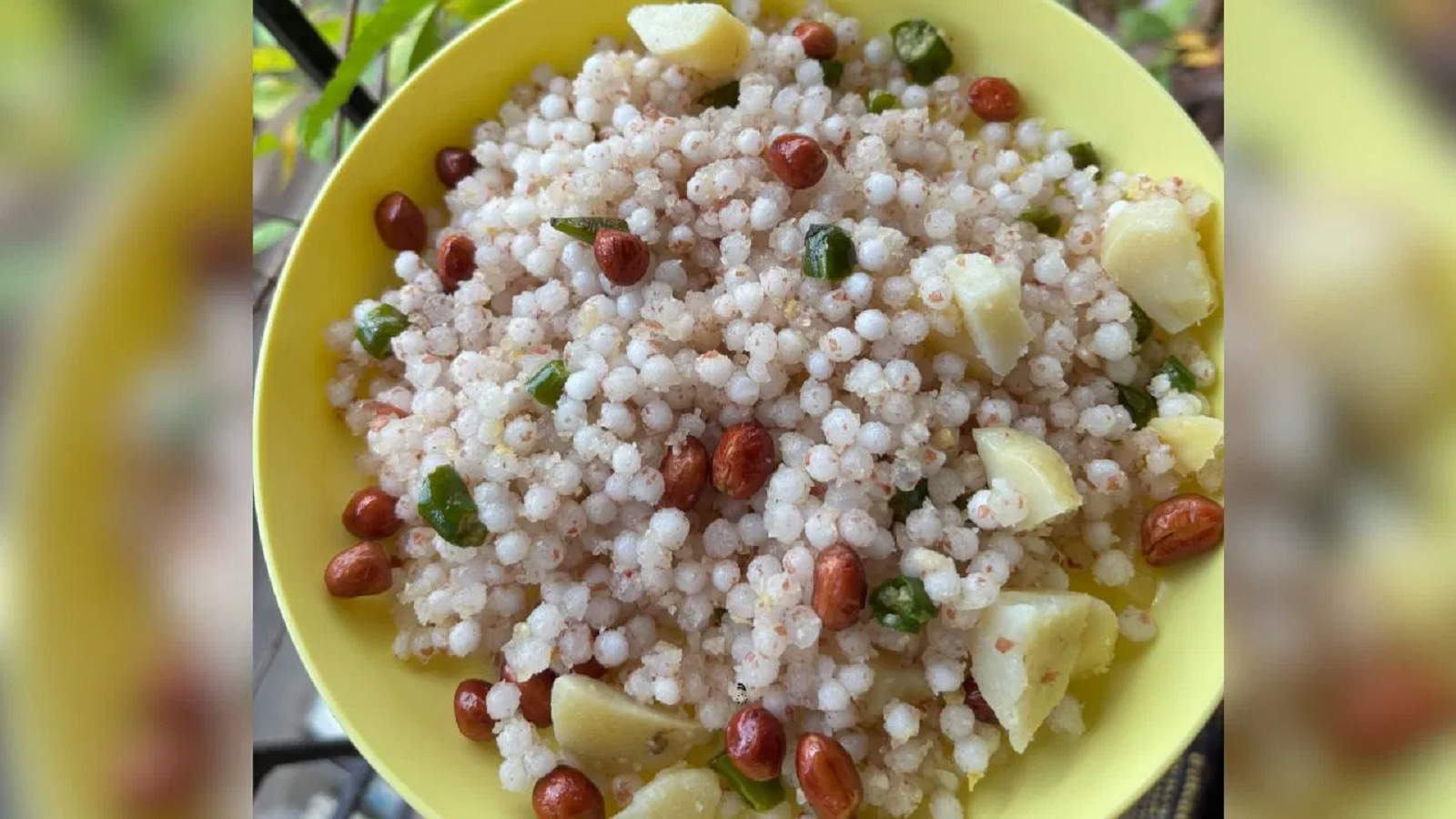
Navratri is celebrated with great fervor across India, marking nine days of devotion, rituals, and fasting in honor of Goddess Durga. During this period, devotees follow a satvik diet, avoiding regular grains and consuming special fasting foods made from ingredients like potatoes, buckwheat flour, water chestnut flour, and tapioca pearls—commonly known as sabudana. Popular dishes include sabudana khichdi, sabudana kheer, and more.
But have you ever wondered if the sabudana you buy during the fast is authentic?
With the rising demand for sabudana during Navratri, cases of adulteration have increased. Fake sabudana not only compromises taste but can also have harmful effects on health. Here’s a guide to help you identify genuine tapioca pearls.
1. Boil Test
One of the easiest ways to check sabudana is by boiling it in water. Add the pearls to a pot of boiling water:
-
Real sabudana: Remains separate and soft without sticking together.
-
Fake sabudana: Becomes overly sticky and clumps together.
2. Color Check
Authentic tapioca pearls are off-white and slightly transparent. Many market products are artificially whitened and shiny to appear fresh:
-
Real: Off-white, semi-transparent, natural-looking.
-
Fake: Pure white, overly glossy, or unnaturally bright.
3. Touch Test
Rub a few pearls between your fingers:
-
Real: Feels smooth, releases little or no powder.
-
Fake: Releases excess white powder easily, indicating adulteration.
4. Water Float Test
Place the sabudana in normal water and let it sit for a few minutes:
-
Real: Sinks or stays on the surface without floating.
-
Fake: Floats in water, which may indicate added chemicals or impurities.
5. Burn Test
This is a more definitive method to test authenticity:
-
Real sabudana: Burns cleanly without a strong odor.
-
Fake sabudana: Emits a plastic-like smell when burned, suggesting synthetic additives.
By using these simple tests, you can ensure that the sabudana you consume during Navratri is authentic and safe. Choosing real sabudana not only enhances the taste of your festive dishes but also keeps your fasting rituals pure and healthy.