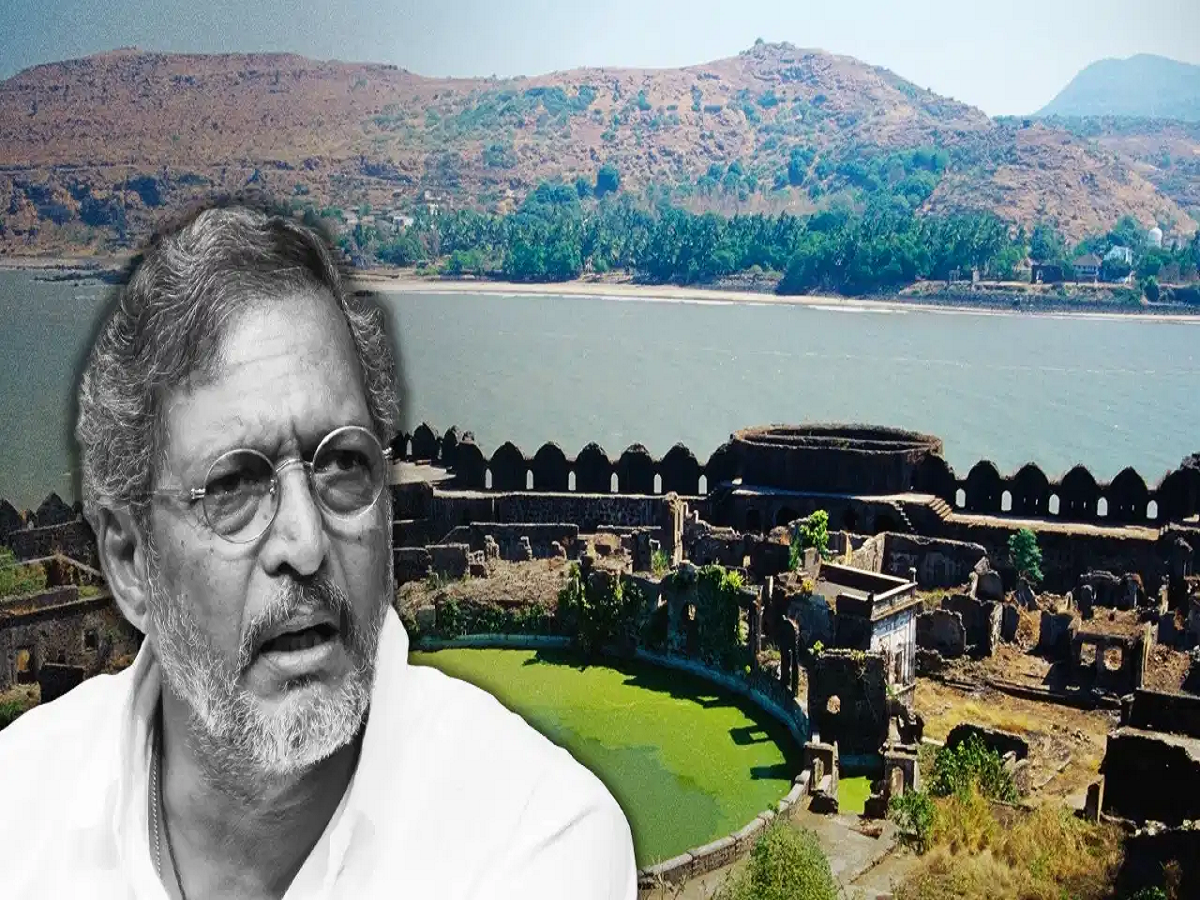
Situated amid the blue waters of the Arabian Sea, Murud Janjira Fort is one of Maharashtra's most remarkable historical landmarks. Known for its impressive stone walls, massive cannons and fascinating military history, this island fortress has stood as a symbol of coastal defence for centuries.
The fort is located near Murud, a coastal town in Maharashtra's Raigad district, which is also known as the birthplace of veteran Bollywood actor Nana Patekar. Beyond its scenic surroundings, Janjira attracts history enthusiasts and travellers interested in exploring the legacy of the region's maritime rulers.
With its strategic location and distinctive architecture, the fort offers a glimpse into an era when control over the sea was essential for political and military power.
Where Is Murud Janjira Fort Located?
Murud Janjira Fort stands on an island just off the coast of Murud in Maharashtra. Visitors generally travel to Rajpuri village, from where boats provide access to the historic structure, subject to local operating conditions.
The name Janjira is commonly associated with the Arabic word jazeera, meaning island. Its position in the Arabian Sea made the fort a strategically important stronghold for controlling maritime routes and defending the coastline.
Surrounded by seawater, the fortress was designed to withstand attacks from the sea while maintaining connections with the nearby mainland.
A History Spanning More Than Four Centuries
The origins of Janjira date back to the 15th and 16th centuries, when coastal communities and regional powers built defensive structures to protect important settlements and maritime interests.
The fort developed into a major stronghold under the Siddis, an African-origin community whose rulers established power along parts of the Konkan coast. Malik Ambar, a prominent military leader and statesman of the Ahmadnagar Sultanate, is associated with the development of the fort's early defences.
Over the centuries, Janjira became known for resisting attempts by rival regional powers to capture it. The Marathas, among others, sought to challenge Siddi control of the fortress, but it remained a formidable military position.
Its location, strong fortifications and naval defences made it difficult to conquer. Today, its surviving structures offer clues to the military strategies used to protect India's western coastline.
The Hidden Entrance That Made Janjira Special
One of the fort's most intriguing architectural features is its main entrance, which faces the Rajpuri side of the coast. Its placement makes it less conspicuous when viewed from certain angles out at sea.
The fortress also has a smaller sea-facing entrance, commonly known as the Dariya Darwaza. These entrances reflect the importance of controlling access to the island and protecting it against maritime attacks.
The fort's thick stone walls and defensive layout were designed to withstand the challenges of coastal warfare. Even today, its imposing exterior gives visitors an idea of the engineering skills required to construct such a structure on an island.
Freshwater Ponds in the Middle of the Sea
One of Janjira's most fascinating features is its freshwater storage system. Despite being surrounded by seawater, the fort contains large freshwater ponds, including the well-known Surul Khan Tank.
Access to fresh water was essential for sustaining soldiers and residents during prolonged military campaigns or periods when supplies from the mainland were disrupted.
The presence of these water sources highlights the planning that went into making Janjira more than just a defensive wall. It functioned as a fortified settlement with the resources needed to support life within its boundaries.
The Massive Cannons of Janjira Fort
The fort's cannons are among its most striking attractions. Three particularly well-known examples are Kalaal Bangri, Chavri and Landa Kasam.
These heavy weapons were important components of the fortress's defensive system, helping protect it against hostile ships and attacks from the surrounding waters.
Their size and construction demonstrate the significance of artillery in coastal warfare during the period. Although many of the fort's original structures have deteriorated over time, its surviving cannons remain powerful reminders of its military past.
What Can You Explore Inside the Fort?
A visit to Murud Janjira offers more than panoramic sea views. Travellers can explore the remains of several structures that once supported the fort's military and residential functions.
Highlights include:
-
Historic fort walls: Explore the stone fortifications built to defend the island.
-
Ancient cannons: See the large artillery pieces associated with Janjira's maritime defences.
-
Freshwater reservoirs: Discover how the fort stored water despite its island location.
-
Remains of buildings: Observe surviving structures associated with the fort's former residents and defenders.
-
Arabian Sea views: Enjoy expansive views of the coastline and surrounding waters.
The ruins offer a fascinating glimpse into the daily life of a fortress that once served as a strategic centre of power.
How to Reach Murud Janjira Fort
Visitors generally travel to Rajpuri village near Murud and take a local boat to the island. The crossing is relatively short, although travel time and access depend on sea conditions and local boat services.
Murud is accessible by road from Mumbai and other parts of Maharashtra. Travellers should allow additional time for road traffic and confirm boat timings before planning their visit.
Since the fort is surrounded by the sea, it is important to follow local safety instructions and avoid boat travel when conditions are unsuitable.
The Best Time to Visit
The cooler months, generally from October to February, are often more comfortable for exploring Murud and its coastal attractions. Visitors should check local weather and sea conditions before travelling.
During the monsoon, rough seas and weather-related restrictions may affect boat services and access to the fort. Confirming local operating conditions in advance can help prevent last-minute changes to travel plans.
Why Murud Janjira Fort Remains a Major Attraction
Murud Janjira is remarkable not only for its age but also for the engineering and military strategy reflected in its design. Its freshwater reservoirs, massive cannons, defensive walls and island location make it a distinctive example of India's coastal fort architecture.
For travellers exploring Maharashtra's Konkan region, the fort combines history, architecture and natural beauty in one destination. Its enduring presence serves as a reminder of the maritime powers that once shaped the western coast of India.