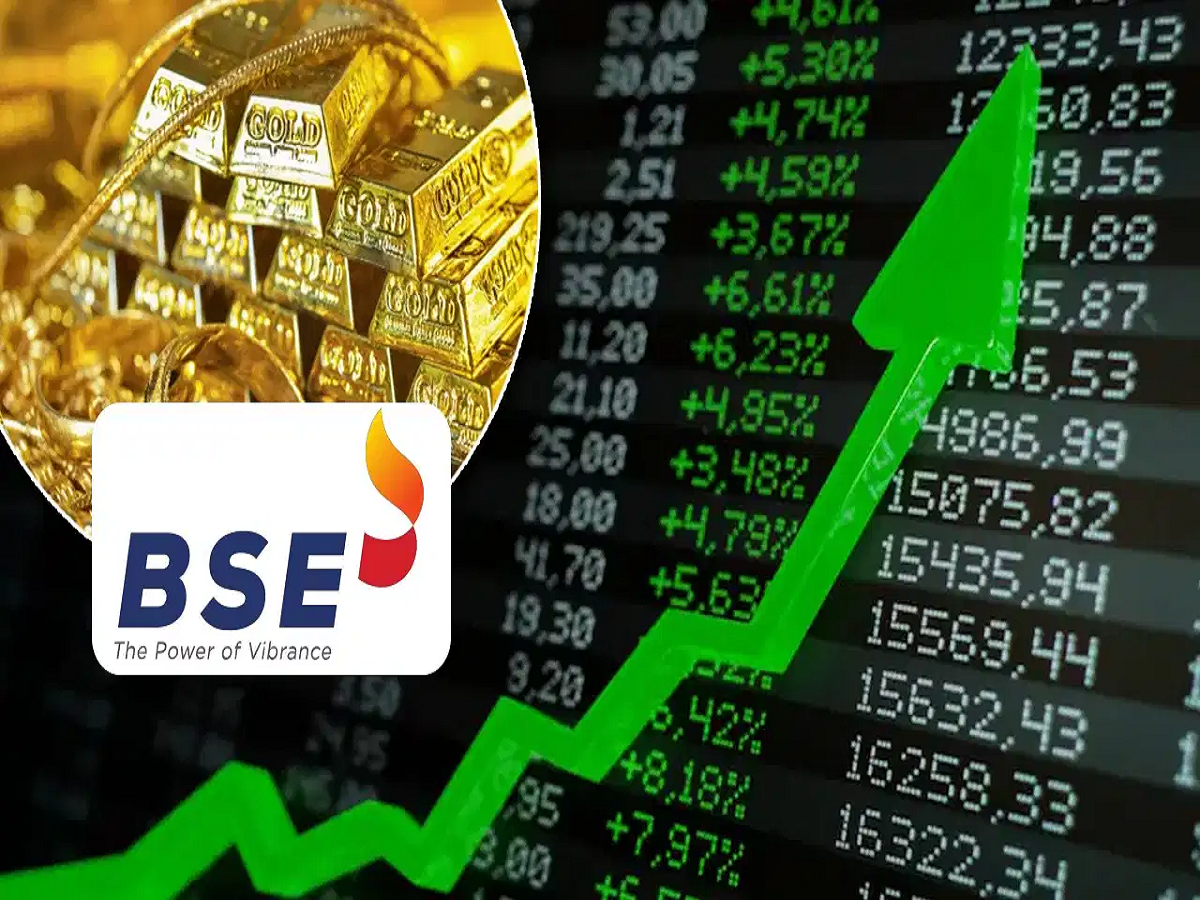
In a move that surprised many market observers, shares of BSE (Bombay Stock Exchange) surged nearly 4% to cross the ₹4,000 mark for the first time on May 14, 2026. This record-breaking rally followed the Indian government’s decision to increase the effective import duty on gold and silver to 15%.
While it may seem counterintuitive for a stock exchange to rally after a tax hike on precious metals, the surge is rooted in market dynamics and trading behavior.
The Connection: Why BSE Benefited from Higher Gold Duties
The relationship between the BSE share price and the import duty hike is indirect but powerful. Here is the breakdown of why this policy shift triggered a rally in exchange-linked stocks:
-
Increased Volatility Drives Trading: When the government increases import tariffs, domestic gold and silver prices tend to surge because imported metals become significantly more expensive. Such sharp, sudden price movements create volatility.
-
Attracting Traders and Investors: Volatility is the lifeblood of active trading. Investors and traders often rush into the commodity and derivatives markets to capitalize on these sharp price fluctuations, looking for profit opportunities.
-
Higher Transaction Volumes: As market participation increases, trading volumes across financial platforms soar. For companies like BSE and the Multi Commodity Exchange (MCX), revenue is directly tied to these trading volumes and transaction charges.
-
Positive Market Sentiment: Even though MCX is the more direct beneficiary (due to its dominance in commodity futures), the broader sentiment around increased market participation and robust trading turnover boosts confidence in all capital market infrastructure stocks, including BSE.
Understanding the Policy Move
The government’s decision, which took effect on May 13, 2026, involves increasing the basic customs duty on gold and silver to 10%, combined with a 5% Agriculture Infrastructure and Development Cess (AIDC), bringing the total effective import tax to 15%.
The primary goals of this policy are to:
-
Curb Precious Metal Imports: Discourage non-essential overseas purchases.
-
Narrow the Trade Deficit: Reduce the outflow of foreign exchange.
-
Support the Rupee: Strengthen the domestic currency by reducing pressure on forex reserves.
The Bottom Line for Investors
While the hike in import duty is generally viewed as negative for the jewellery sector—which faces potential pressure from dampened consumer demand—it has created a "trading boom" in the commodity markets. As traders and investors navigate the new price realities of bullion, the resulting increase in market activity has provided a significant tailwind for the BSE, propelling the stock to new historic highs.