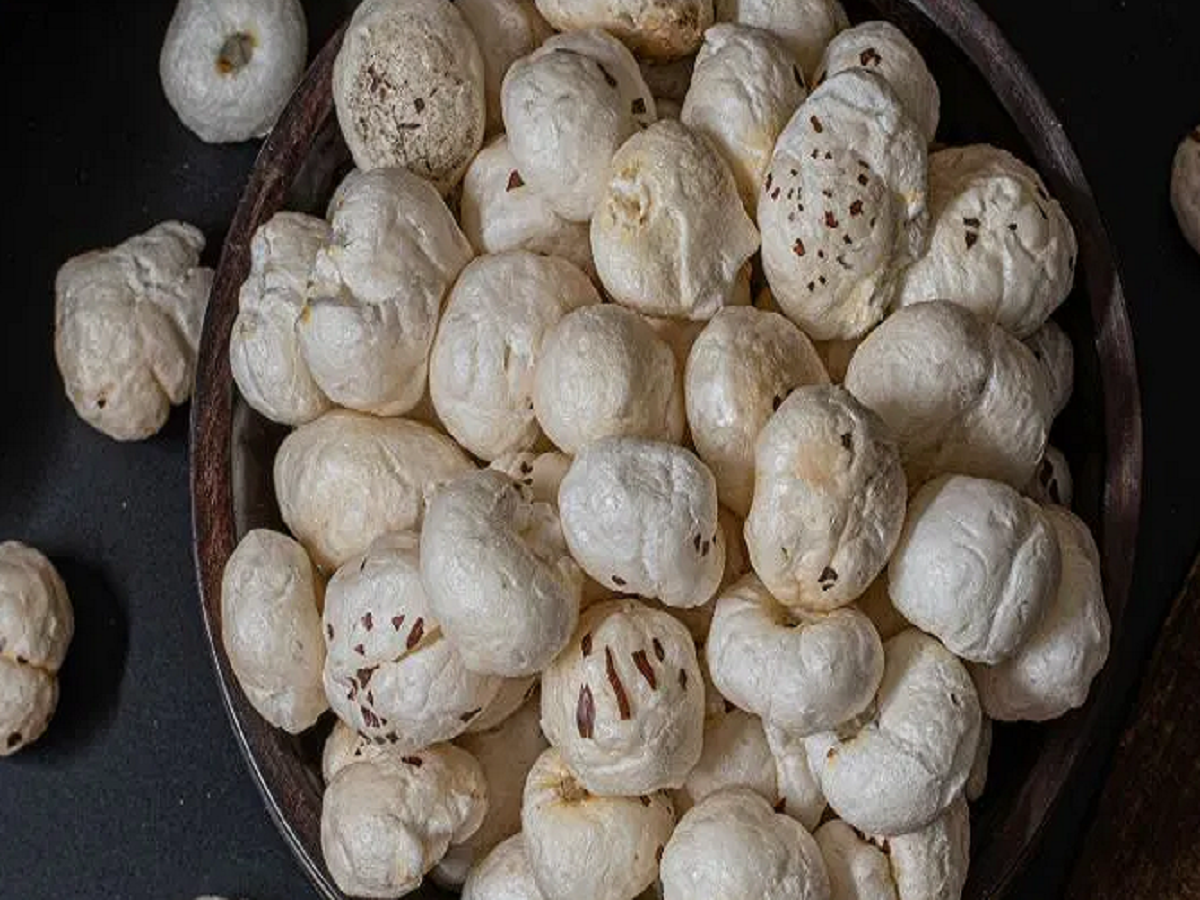
Makhana, also known as fox nuts, is widely considered a superfood in India. Like other dry fruits, it is slightly expensive, but its rich nutritional value makes it worth including in your daily diet. Especially during summer, when the body needs light, cooling, and hydrating foods, many people wonder whether makhana is the right choice and how it should be consumed.
Makhana is naturally light, low in calories, and surprisingly cooling in nature, making it suitable for hot weather. Despite being a dry snack, it does not generate excess heat in the body. In fact, according to Ayurveda, it helps balance the body’s internal systems and is particularly useful in calming heat-related imbalances. This is why it is often recommended during summer months, especially for those looking for a healthy and filling snack option.
Nutritionally, makhana is quite powerful. It contains a good amount of protein, which supports muscle health, along with carbohydrates that provide energy. It is also rich in fiber, which aids digestion and helps keep you full for longer periods—making it a popular choice among fitness enthusiasts and those trying to manage weight. Additionally, the presence of calcium supports bone strength, while iron helps in improving blood health. Because of its high fiber content, it also promotes better gut health when consumed in the right quantity.
In Indian households, makhana is used in a variety of ways. Some people enjoy it roasted as a snack, often lightly tossed in ghee and spices, while others use it in curries or even mix it with milk for a nutritious meal. Its versatility and mild taste make it easy to include in daily diets without much effort.
However, timing and quantity matter, especially in summer. Experts suggest that the best time to eat makhana is between breakfast and lunch, ideally around late morning. This helps in maintaining energy levels throughout the day while also ensuring that it is easily digested. Eating it at this time allows your body to utilize its nutrients effectively without putting extra strain on digestion.
Even though makhana has cooling properties, overconsumption should be avoided. Since it is high in fiber, eating too much of it can sometimes lead to digestive issues like constipation, particularly if you are not drinking enough water. It also absorbs water during digestion, so staying hydrated is important when including it in your diet. Even when roasted in ghee for taste, moderation is key, as excessive intake can lead to stomach discomfort.
In conclusion, makhana is an excellent summer snack when consumed wisely. Its cooling nature, combined with its nutritional benefits, makes it a great addition to your diet. Just remember to eat it in moderation, at the right time, and with proper hydration to enjoy its full benefits without any side effects.