ASTROLOGY
Kalpvas 2026: A Sacred Path to Physical and Spiritual Purification, Know Its Meaning and Religious Significance
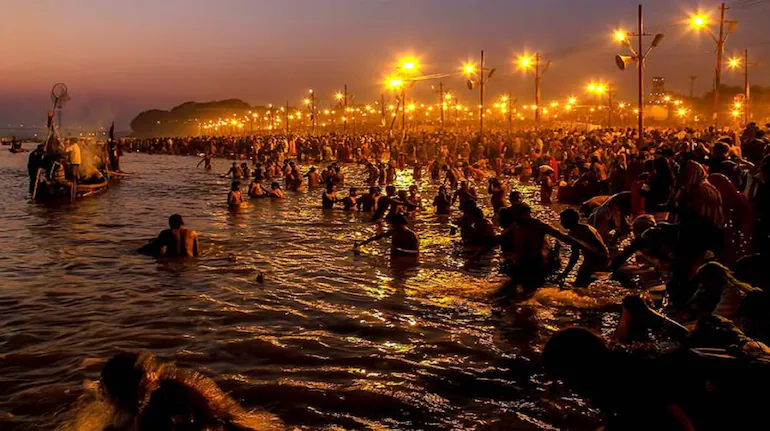
Kalpvas 2026 holds deep spiritual importance in Hindu tradition, especially during the sacred Magh month, which is considered one of the most auspicious periods of the Hindu calendar. Every year, thousands of devotees gather at the holy Sangam in Prayagraj—the confluence of the Ganga, Yamuna, and the invisible Saraswati—to observe Kalpvas. According to religious beliefs, Kalpvas is a disciplined spiritual practice aimed at the purification of both body and mind, ultimately leading devotees closer to self-realization and divine grace.
What Is Kalpvas?
The word Kalpvas is derived from two Sanskrit terms—Kalp (a fixed period of time) and Vas (to reside). Together, Kalpvas means residing at a sacred place for a fixed spiritual duration while following strict vows and disciplined living. Traditionally, Kalpvas begins on the full moon day (Purnima) of the Paush month and continues until the full moon of the Magh month.
However, not every devotee observes Kalpvas for the entire month. Depending on personal capacity and spiritual intent, many people take vows for 5, 11, or 21 days, while others complete the full Kalpvas period.
Religious Importance of Kalpvas
Kalpvas is regarded as one of the most sacred religious observances in Hinduism. It is primarily performed at Tirthraj Prayagraj, which is considered the king of all pilgrimage sites. During Kalpvas, devotees dedicate themselves to jap (chanting), tap (penance), snan (holy bathing), and daan (charity).
According to religious scriptures, performing these spiritual acts during the Magh month brings Akshay Punya, meaning eternal merit that never diminishes. It is believed that devotees who strictly follow the sattvic rules of Kalpvas are freed from the cycle of birth and death. The month-long stay at the Sangam is seen as a powerful spiritual cleansing process that purifies not just the body, but also the soul.
Spiritual Meaning of Kalpvas
From a spiritual perspective, Kalpvas is a form of deep sadhana (spiritual discipline). During this time, devotees consciously distance themselves from material pleasures, worldly attachments, luxury, and ego. The focus remains solely on devotion to God, self-restraint, and inner purification.
Living in simplicity at the Sangam teaches humility, patience, and detachment. Kalpvas is not merely about rituals—it is about transforming one’s lifestyle and mindset through discipline and devotion.
Rules and Practices of Kalpvas
Kalpvas is known for its strict rules, which devotees follow with great dedication:
1. Three Holy Baths Daily
One of the most challenging rules of Kalpvas is bathing three times a day—in the early morning, afternoon, and evening—at the Sangam, even during extreme winter cold. These baths are believed to cleanse both the physical body and the mind.
2. Single Meal a Day
Kalpvasis consume only one simple, sattvic meal per day. The food is usually prepared by the devotees themselves on a traditional clay stove. The emphasis is on moderation, purity, and self-control.
3. Sleeping on the Ground (Bhumi Shayan)
Instead of beds, devotees sleep on the ground using a thin mat. This practice, known as Bhumi Shayan, symbolizes humility and the elimination of ego.
4. Truthfulness and Non-Violence
During Kalpvas, devotees strictly avoid lying, anger, abusive language, criticism, and harmful thoughts. Maintaining purity of mind, speech, and actions is considered essential.
What to Avoid During Kalpvas
Certain restrictions must be followed during Kalpvas to maintain spiritual purity:
-
Complete avoidance of non-vegetarian food, alcohol, onion, and garlic
-
Observing brahmacharya by staying away from household pleasures
-
Avoiding luxury, comfort, and unnecessary social interactions
According to texts like the Garuda Purana, those who sincerely observe Kalpvas at the Sangam are freed from the sins of many past births and attain divine blessings and heavenly merit.
Why Kalpvas Is Still Relevant Today
In today’s fast-paced and stressful life, Kalpvas offers a rare opportunity to slow down, reflect, and reconnect with inner peace. It teaches discipline, simplicity, and devotion—values that are increasingly important in modern times. Beyond religious belief, Kalpvas also promotes mental clarity, emotional balance, and spiritual growth.
Final Thoughts
Kalpvas 2026 is not just a religious ritual, but a powerful spiritual journey that transforms the devotee from within. By embracing simplicity, discipline, and devotion at the sacred Sangam, Kalpvas becomes a path toward mental peace, spiritual elevation, and liberation from worldly bonds.
Disclaimer:
This article is based on religious beliefs and traditional scriptures. Practices and interpretations may vary according to regional traditions. Readers are advised to consult religious scholars or local priests for personalized guidance.