TECH
iPhone Dominance Continues: One in Four Smartphone Users Worldwide Own an Apple Device, Reveals Report
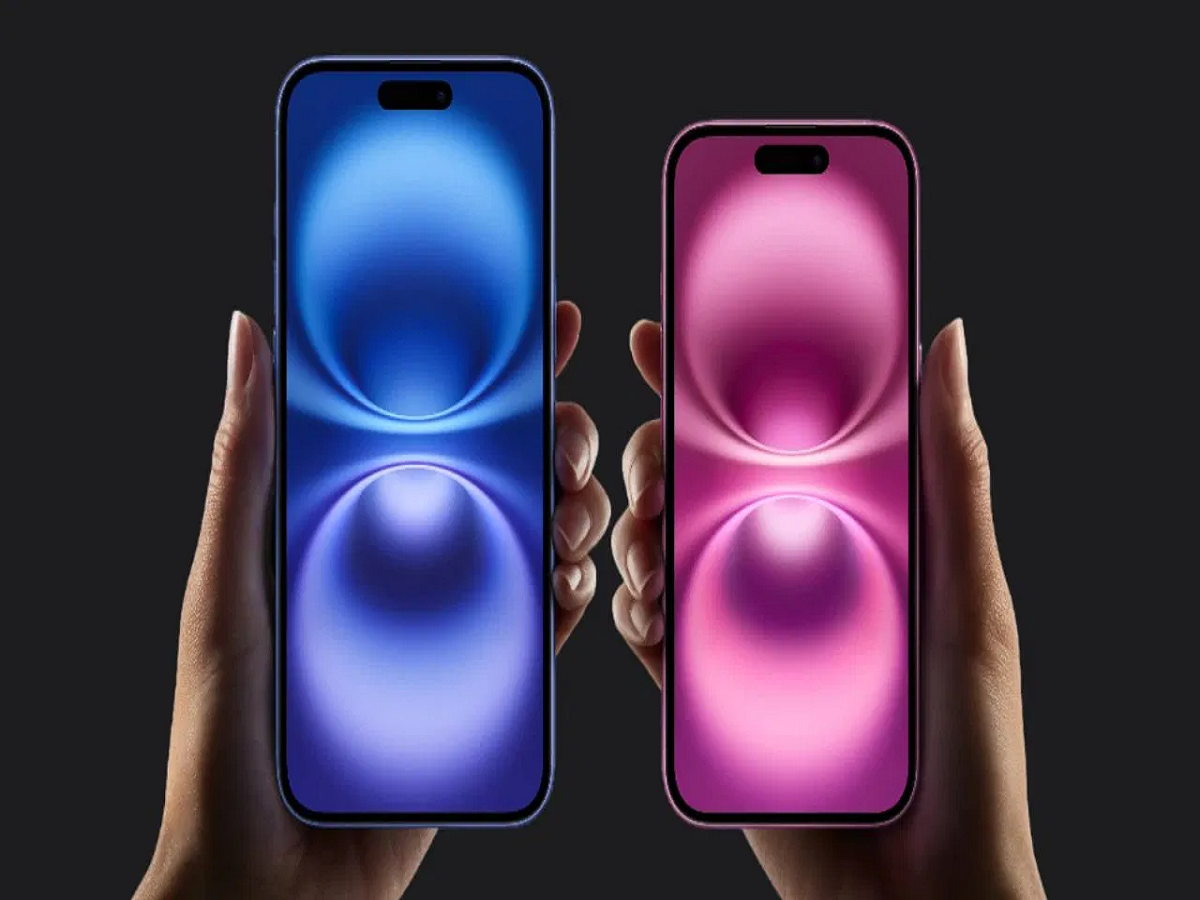
The global obsession with iPhones is no secret, and new data now proves just how dominant Apple has become. According to a recent report by Counterpoint Research, nearly one in every four active smartphones worldwide is an iPhone, highlighting Apple’s unmatched user loyalty and ecosystem strength.
The report estimates that the global active smartphone installed base—devices currently in use—is expected to grow by 2 percent by 2025. However, the most striking insight isn’t overall growth, but Apple’s expanding share within long-term users.
What Is the ‘Active Installed Base’?
Counterpoint defines the active installed base as smartphones that are actively being used, not just shipped or sold. This metric is important because it reflects brand loyalty, ecosystem stickiness, and device longevity, rather than short-term sales spikes.
By 2025, the average smartphone replacement cycle is expected to stretch to around four years. This trend is being driven by gradual hardware improvements, longer software support, and the rising popularity of refurbished and second-hand smartphones—an area where Apple performs particularly well.
Apple and Samsung Lead the Global Smartphone Market
Apple and Samsung continue to dominate the global smartphone landscape. Both companies have crossed the milestone of over one billion active devices, a feat no other smartphone brand has achieved so far.
Together, Apple and Samsung accounted for 44 percent of the global active smartphone base last year. Apple leads this duo by a wide margin, adding more net new active smartphones in 2025 than the next seven largest smartphone brands combined, despite an overall slowdown in the global market.
Why Apple Is Ahead of the Competition
“Apple leads the global active installed base, with nearly one in four active smartphones being an iPhone,” said Karn Chauhan, Senior Analyst at Counterpoint Research. He attributes this success to exceptional user loyalty, a tightly integrated iOS ecosystem, and seamless services.
Samsung ranks second, holding close to 20 percent of the global installed base, supported by its wide product range—from budget smartphones to premium flagships. However, Counterpoint notes that Apple’s key advantages include strong resale value, long-term software updates, and ecosystem integration, which significantly extend the lifespan of its devices.