AUTO
India-UK Trade Deal Triggers Wave of Luxury Car Booking Cancellations—Here’s Why Buyers Are Holding Back
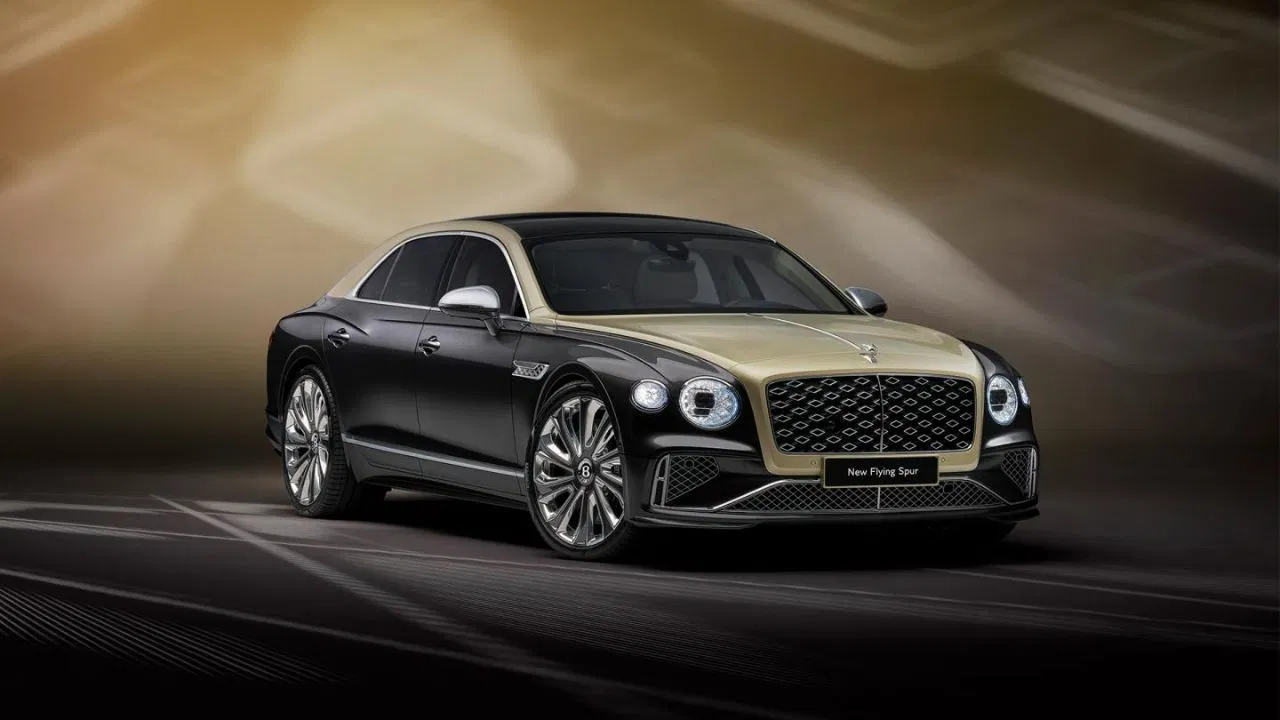
A major shift in the Indian luxury car market is underway even before the ink dries on the upcoming India-UK Comprehensive Economic and Trade Agreement (CETA). Scheduled to be signed soon, this landmark trade pact is already causing a stir, with a significant number of luxury car bookings being cancelled across the country.
What’s in the Deal?
The core attraction in the India-UK Free Trade Agreement lies in the proposed reduction of import duties on completely built unit (CBU) vehicles—fully imported cars. Currently, these vehicles attract a steep duty ranging from 75% to 125%, making them significantly more expensive in India than in the UK. Under the new deal, this duty is expected to drop to just 10%, a game-changer for high-end car buyers.
Why Are Car Bookings Being Cancelled?
As soon as the potential tax cut was made public in May 2025, it sparked a strategic pause among wealthy buyers. Many who had booked luxury cars—brands like Jaguar, Land Rover, Rolls Royce, Bentley, Aston Martin, McLaren, and Lotus (many of which are UK-based)—are now cancelling or delaying their purchases. The logic is simple: why buy now at full price when the same car could cost significantly less after the duty cut?
Dealers are feeling the heat. According to a report by the Times of India, car showrooms have already placed orders based on earlier bookings. But with customers pulling back, these dealers are now sitting on expensive inventory, facing mounting financial losses.
What's the Consumer Logic?
Buyers are simply doing the math. A car that costs ₹1 crore in the UK can touch nearly ₹3 crore in India due to multiple layers of taxes—import duties, registration charges, RTO fees, and other levies. If the import duty drops to 10%, that same vehicle might cost around ₹1.10 crore, a massive difference of more than ₹1.5 crore. Even after accounting for local taxes, the overall savings could still be substantial.
Why Dealers Are Worried
Dealers argue that while the duty cut sounds promising, it's not happening overnight. The agreement will likely take about a year to implement, and the reduction in duty will be phased in gradually, not applied all at once. Some annual import quotas will also be fixed, further slowing down the impact.
Moreover, luxury car prices increase by nearly 5% every year due to inflation and currency fluctuations. With the rupee weakening against the pound, waiting might not result in as much savings as consumers expect. Plus, buyers could also face longer wait times for deliveries as global supply is redirected elsewhere.
Could This Backfire?
The delay in bookings may seem logical from a consumer standpoint, but it could negatively affect India’s luxury car market in the short term. Global luxury brands that manufacture vehicles in limited numbers to maintain exclusivity may choose to prioritize other markets over India, seeing declining demand as a lack of interest.