INTERNATIONAL
India Eyes Strategic Leverage Over China: Lessons Drawn from Iran’s Chokepoint Tactics
Recent global tensions have highlighted how control over key maritime chokepoints can influence international trade and security. Iran’s repeated threats to disrupt traffic through the Strait of Hormuz demonstrated how even limited resources can create significant global impact. Now, strategic discussions suggest that India could adopt a similar approach—on a larger and more advanced scale—to counter China’s growing influence.
Iran’s Strategy as a Reference Point
Iran has shown that it does not need to completely block a vital sea route to create disruption. By using tools such as naval mines, drones, anti-ship missiles, and electronic interference, even limited actions can unsettle global markets. The Strait of Hormuz, through which nearly 20% of the world’s oil supply passes, remains a critical example of this approach.
Focus on the Strait of Malacca
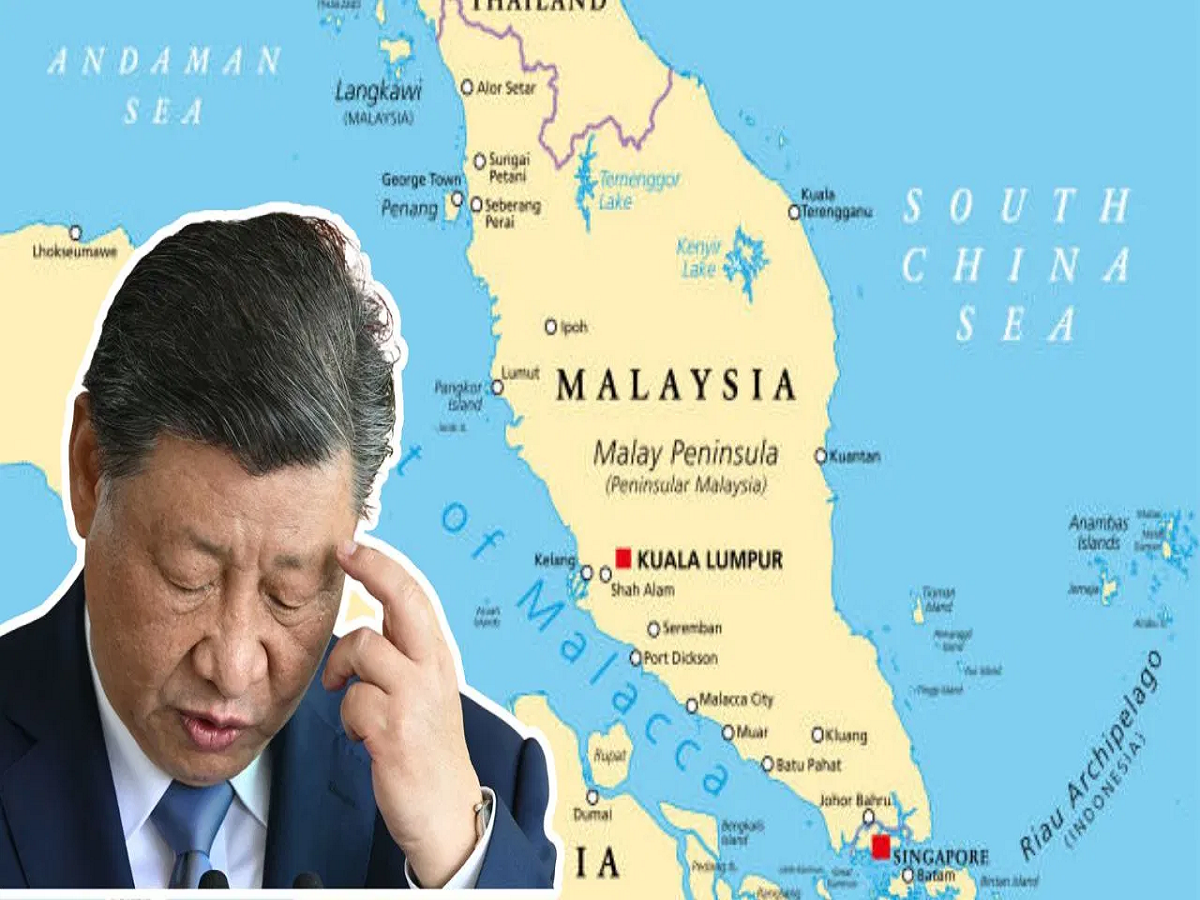
Attention is now turning to the Strait of Malacca, one of the world’s busiest maritime routes. A large portion of China’s oil imports and trade flows through this narrow passage. India’s geographical advantage, particularly its proximity via the Andaman and Nicobar Islands, places it in a strategically significant position in the region.
India’s Evolving Maritime Strategy
India has been strengthening its presence in the Indian Ocean through its broader maritime framework, often referred to as the “Necklace of Diamonds” strategy. This involves developing strategic bases, enhancing surveillance capabilities, and expanding naval infrastructure.
The Andaman and Nicobar Command has emerged as a key hub, equipped with advanced assets such as surveillance aircraft, naval vessels, and monitoring systems. The focus appears to be on maintaining awareness and readiness rather than enforcing any direct blockade.
Role of Emerging Technologies
Modern warfare technologies, particularly unmanned systems, are expected to play a growing role. These include:
- Surveillance and reconnaissance drones
- Unmanned surface and underwater vehicles
- Advanced monitoring and tracking systems
Such tools enhance maritime domain awareness and can act as deterrents in high-tension scenarios.
Strategic Objective: Deterrence, Not Disruption
Experts suggest that the aim of such strategies is not to halt shipping entirely but to create a level of uncertainty that could influence strategic calculations. Even limited risks in critical sea lanes can lead to higher insurance costs, rerouting of ships, and broader economic implications.
Implications for Regional Balance
If such strategic positioning intensifies, it could reshape the balance of power in the Indian Ocean region. However, it is important to note that these remain strategic assessments and not confirmed policy actions.