NATIONAL
India and Russia Sign Landmark Judicial Cooperation Pact During Chief Justice's Moscow Visit
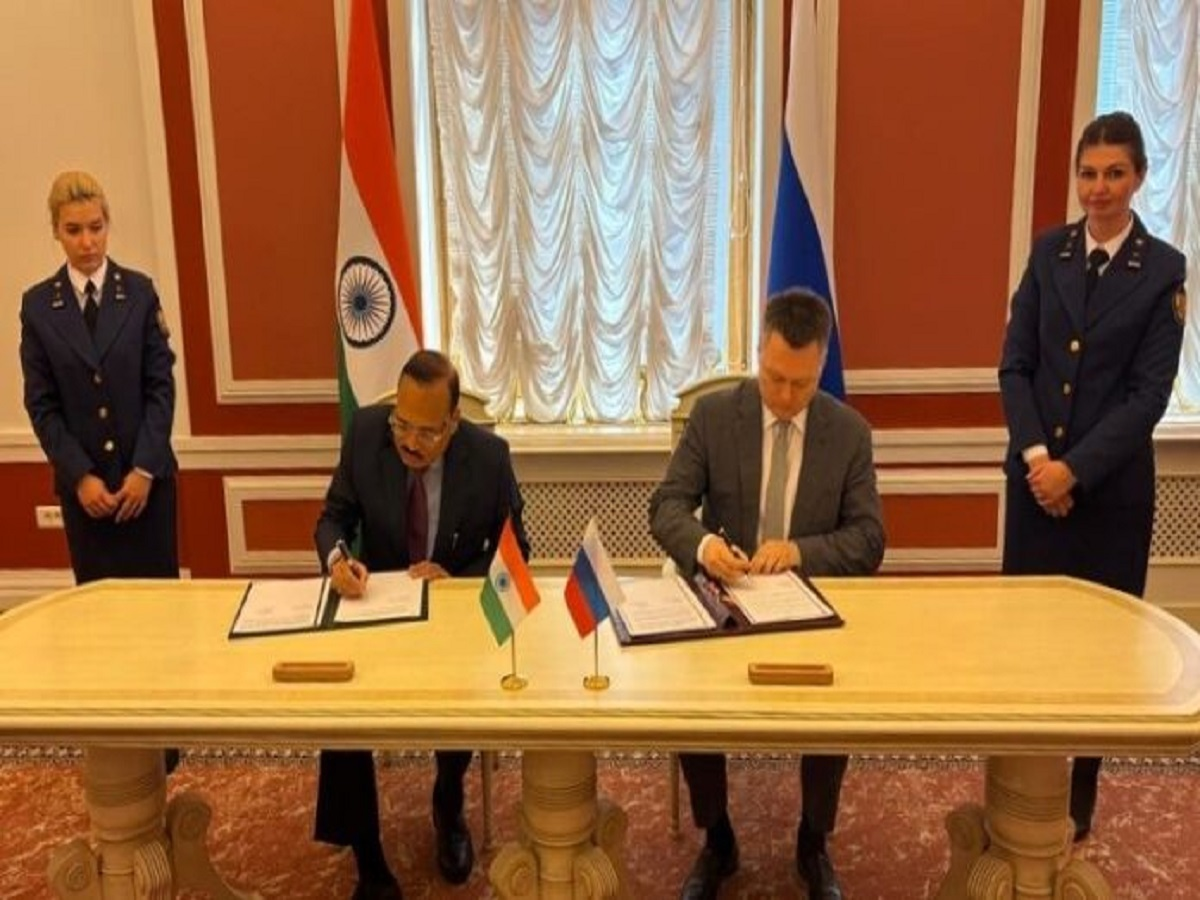
A significant step toward strengthening legal and judicial cooperation between India and Russia has been taken with the signing of a new Memorandum of Understanding (MoU) between the highest courts of the two countries. The agreement was finalized during the official visit of India's Chief Justice to Moscow and is expected to promote deeper collaboration in judicial administration, technology, and professional development.
The development marks an important milestone in the growing institutional relationship between the two nations and is being viewed as a major initiative aimed at enhancing knowledge-sharing between their judicial systems.
First-Ever Agreement Between the Two Apex Courts
The newly signed MoU is considered the first formal cooperation agreement of its kind between the Supreme Court of India and the Supreme Court of the Russian Federation.
The agreement was signed in Moscow during high-level discussions between senior judicial representatives from both countries. Officials described the initiative as a framework for long-term cooperation designed to strengthen ties between the two legal institutions.
Legal experts believe such collaborations can help courts exchange best practices, improve administrative efficiency, and adopt innovative approaches to addressing modern judicial challenges.
Key Areas of Cooperation
The agreement outlines several areas where both judicial institutions will work together and share expertise.
Exchange of Judicial Experience
One of the central objectives of the partnership is to facilitate the exchange of knowledge and experience between judges and legal professionals.
Through regular interactions, seminars, and discussions, both sides aim to learn from each other's judicial practices, case management systems, and legal approaches.
Use of Technology in Courts
The MoU also emphasizes cooperation in the field of judicial technology.
As courts around the world increasingly adopt digital tools to improve efficiency and accessibility, both countries are expected to share insights related to:
-
Digital court administration
-
E-filing systems
-
Virtual hearings
-
Case management technologies
-
Judicial data management
The exchange of technological expertise could help strengthen modernization efforts within both judicial systems.
Professional Training and Capacity Building
Another major component of the agreement focuses on professional development and institutional capacity building.
The cooperation framework is expected to support:
-
Training programs for judicial officers
-
Knowledge-sharing initiatives
-
Staff development opportunities
-
Academic and professional exchanges
These initiatives aim to enhance the skills and expertise of judicial personnel while promoting greater understanding of each country's legal framework.
Strengthening Judicial Relations Between Two Major Democracies
During discussions in Moscow, senior judicial representatives reportedly highlighted the unique challenges faced by large and diverse nations when administering justice.
Both India and Russia oversee vast territories, large populations, and complex legal systems that require efficient judicial institutions to ensure timely access to justice.
Officials noted that collaboration between the two apex courts could contribute to improved judicial administration and create opportunities for mutual learning.
The agreement is also expected to encourage dialogue on issues such as court management, technology integration, and institutional reforms.
Growing Importance of International Judicial Cooperation
In an increasingly interconnected world, courts often face similar challenges, including rising caseloads, technological transformation, cyber-related disputes, and the need for faster justice delivery.
As a result, international cooperation among judicial institutions has become more important than ever.
Many countries are establishing partnerships that allow courts to exchange ideas, study successful reforms, and adopt innovative practices that improve efficiency and transparency.
The new India-Russia agreement reflects this broader global trend of judicial collaboration and institutional engagement.
Technology Becoming Central to Modern Courts
One of the most notable aspects of the agreement is its focus on information technology.
Across the world, judicial systems are investing heavily in digital transformation to make legal services more accessible and efficient. Technologies such as e-courts, digital case tracking, online document filing, and virtual proceedings are increasingly becoming standard features of modern judicial administration.
By sharing experiences and technological expertise, both countries may be able to accelerate modernization efforts and improve access to justice for citizens.
A New Chapter in Legal Cooperation
The signing of the judicial cooperation agreement represents an important step in strengthening institutional ties between India and Russia. Beyond diplomatic and economic relations, the partnership highlights the growing importance of cooperation between legal and judicial systems.
Experts believe that sustained engagement under the MoU could create opportunities for innovation, capacity building, and knowledge exchange that benefit both countries over the long term.
As judicial systems worldwide continue to evolve, such collaborations are expected to play a crucial role in helping courts adapt to emerging challenges while maintaining efficiency, transparency, and public trust.