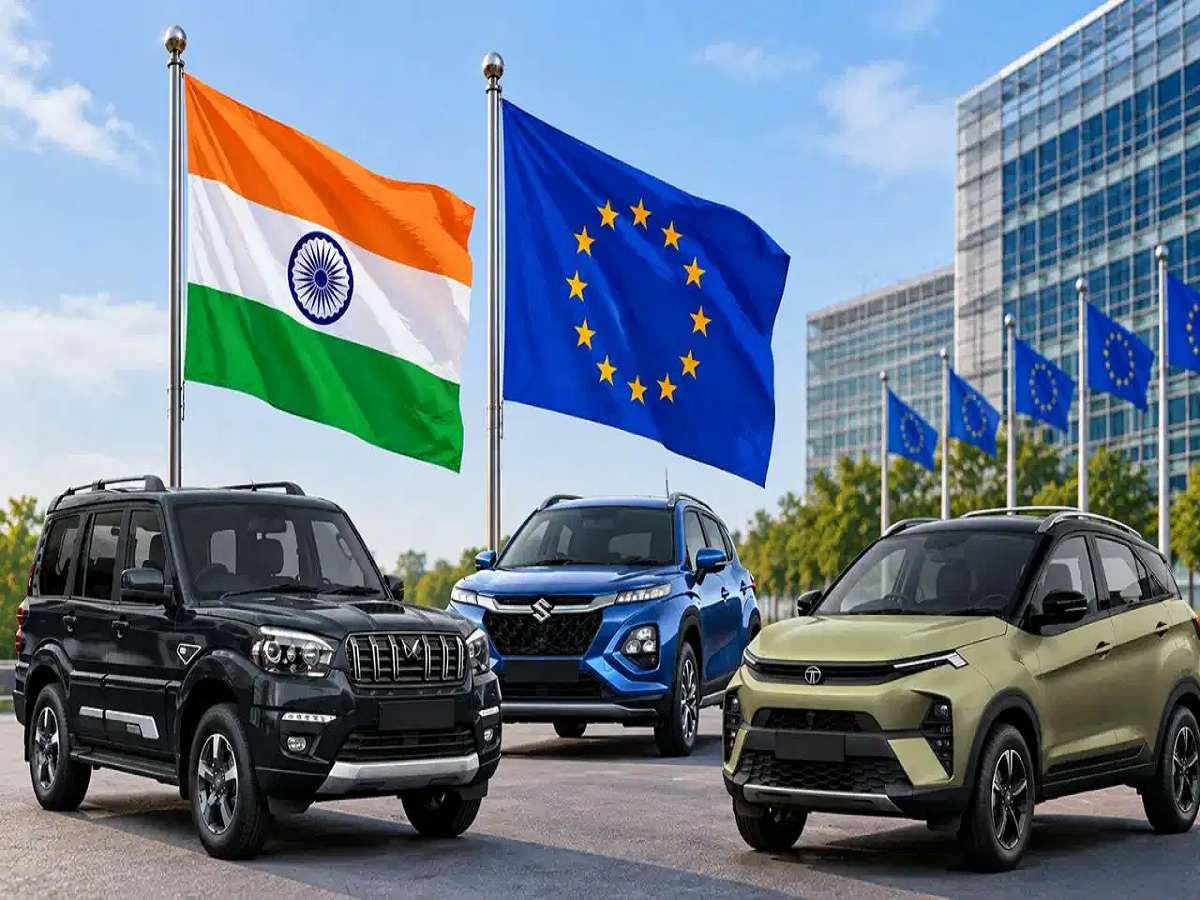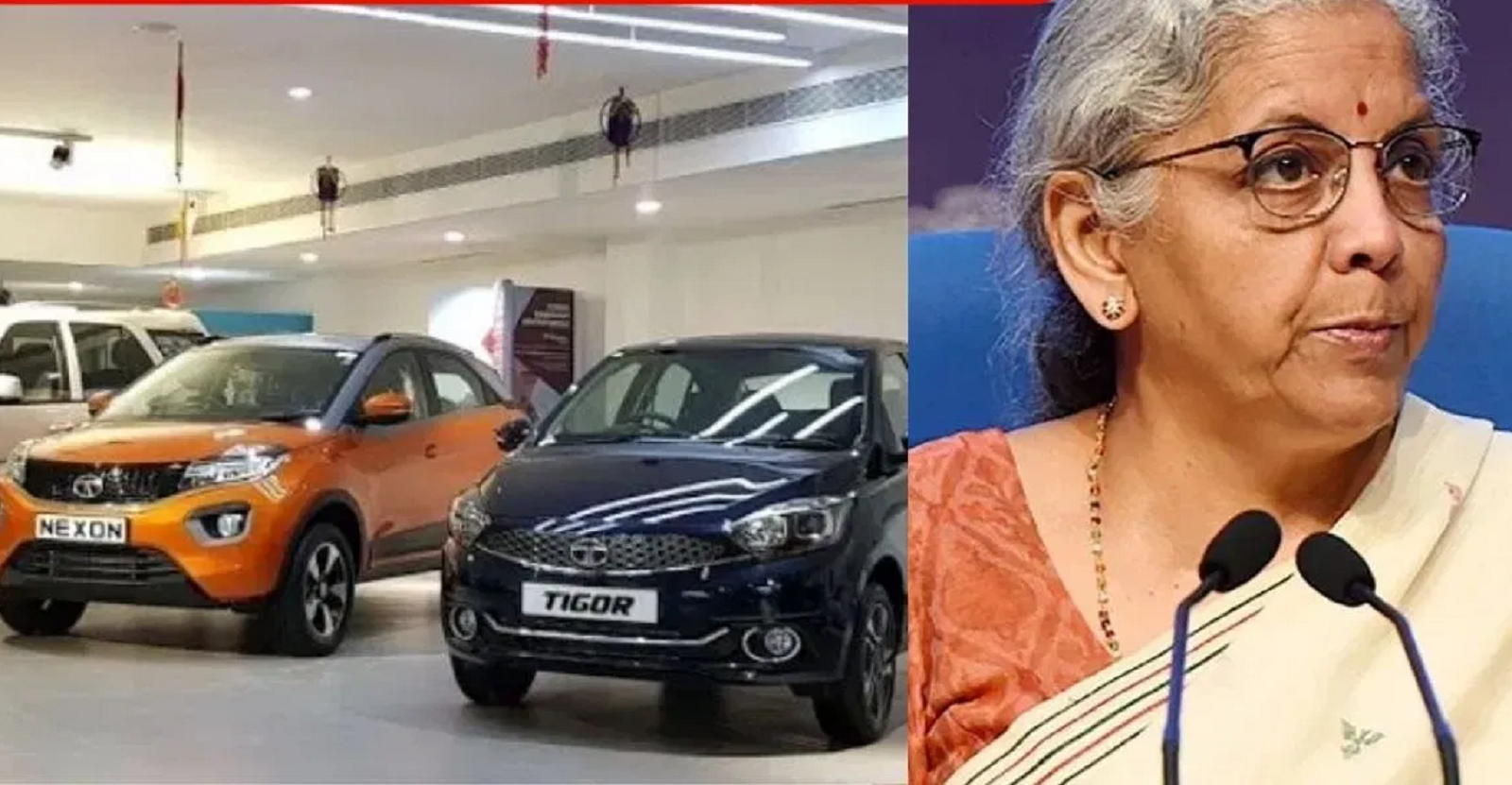
Finance Minister Nirmala Sitharaman has confirmed that the rollout of GST 2.0 on September 22 has provided a major boost to India’s automotive sector. According to the Minister, car sales have more than doubled to 500,000 units since the new GST rates came into effect, with total vehicle retail sales reaching between 650,000 and 700,000 units up to Diwali.
GST 2.0 Drives Car Sales Growth
In a post on X (formerly Twitter), Sitharaman noted that GST 2.0 has significantly enhanced consumer demand, particularly during the festive season. She highlighted that e-commerce and quick-commerce platforms witnessed a surge in sales, with premium products and instant delivery services driving growth beyond major urban centers.
Strong Festival Demand
The festive season, combined with reduced GST rates on automobiles, fueled robust sales:
-
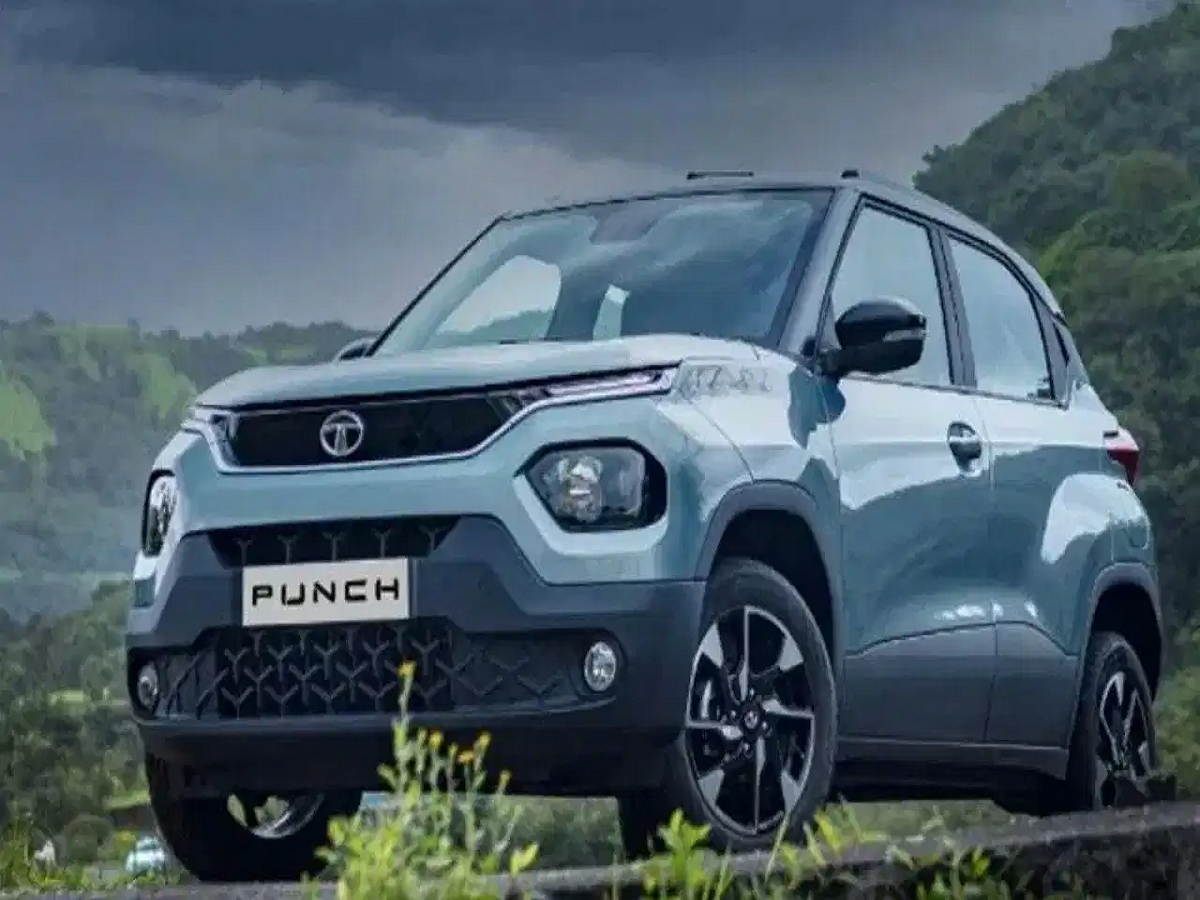
Tata Motors delivered over 100,000 cars from Navratri to Diwali, marking a 33% year-on-year increase, with SUVs continuing to dominate the market.
-
Maruti Suzuki India, a leader in passenger vehicles, reported strong demand for both cars and SUVs, aided by GST reductions and rising preference for locally made products.
The Diwali sales boom is expected to generate temporary employment for around 5 million people in sectors such as logistics, transportation, packaging, and delivery, while overall festive sales across industries are projected to reach a record ₹6.05 lakh crore in 2025.
A Positive Outlook for the Automotive Industry
The Finance Minister’s statement underscores how tax reforms and festive spending can significantly stimulate economic activity, with GST 2.0 emerging as a key driver of growth for both automakers and allied industries.