ENTERTAINMENT
Hrishikesh Mukherjee’s Timeless Craft: Celebrated for Simplicity and Star Respect in Indian Cinema
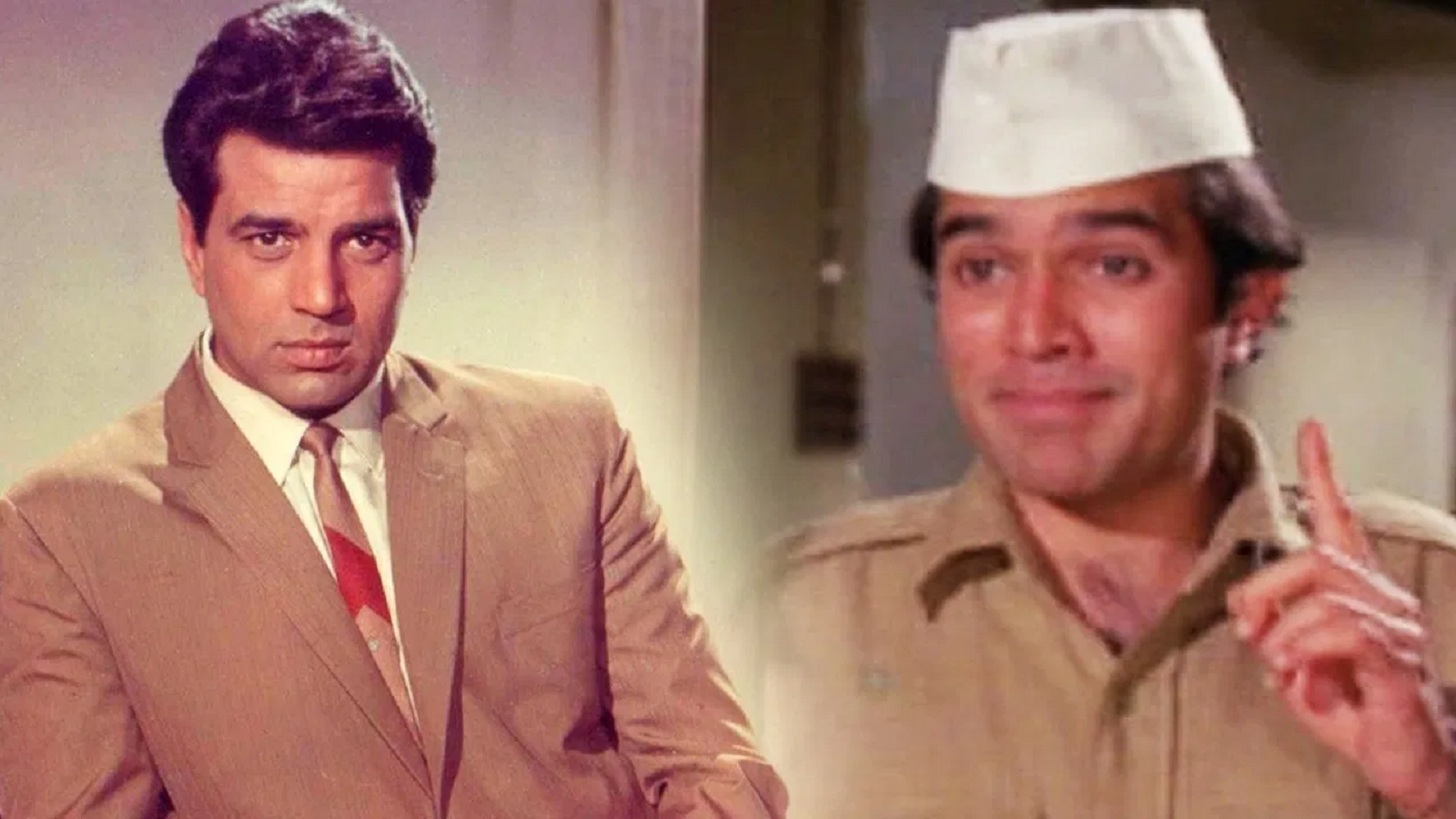
Hrishikesh Mukherjee, the legendary filmmaker, is remembered not just as a director but as a master of simplicity and humanism in Indian cinema. His films, such as Golmaal (1979), Anand (1971), Bawarchi (1972), and Chupke Chupke (1975), were crafted with a philosophy that valued straightforward storytelling without the clutter of excessive glamour or melodrama. His approach was to focus on relatable middle-class stories imbued with humor and social commentary, making his cinema timeless and beloved across generations.
Unlike many commercial filmmakers who prioritized stardom and spectacle, Mukherjee treated actors regardless of their fame with equal reverence, fitting their screen time and roles to the demands of the script. A notable example is Anand, where superstar Rajesh Khanna’s entry is delayed to emphasize the character played by Amitabh Bachchan, showcasing Mukherjee’s courage to deviate from conventional star-centric filmmaking.
Mukherjee is also called the godfather to actors like Amitabh Bachchan and Jaya Bachchan. He discovered Jaya Bhaduri after seeing her in a short film and introduced her to the industry. He guided stars like Amitabh and Dharmendra, helping hone their acting beyond their popularity. Many artists credit their growth to his mentorship.
His films stood out for their warmth, authentic portrayal of Indian middle-class life, and balanced blend of comedy and drama, steering clear of formulaic large-scale spectacles. He followed his mentor Bimal Roy’s footsteps by emphasizing social issues and human values through simple yet profound narratives. Hrishikesh Mukherjee’s legacy is one of heartfelt storytelling, a commitment to craftsmanship, and an enduring respect for simplicity and honesty in cinema.