High cholesterol is often called a "silent condition" because it usually develops without obvious symptoms. Many people remain unaware of elevated cholesterol levels until they undergo a medical test or experience complications related to heart health. However, in some cases, the body may display subtle warning signs that could indicate circulation problems associated with high cholesterol.
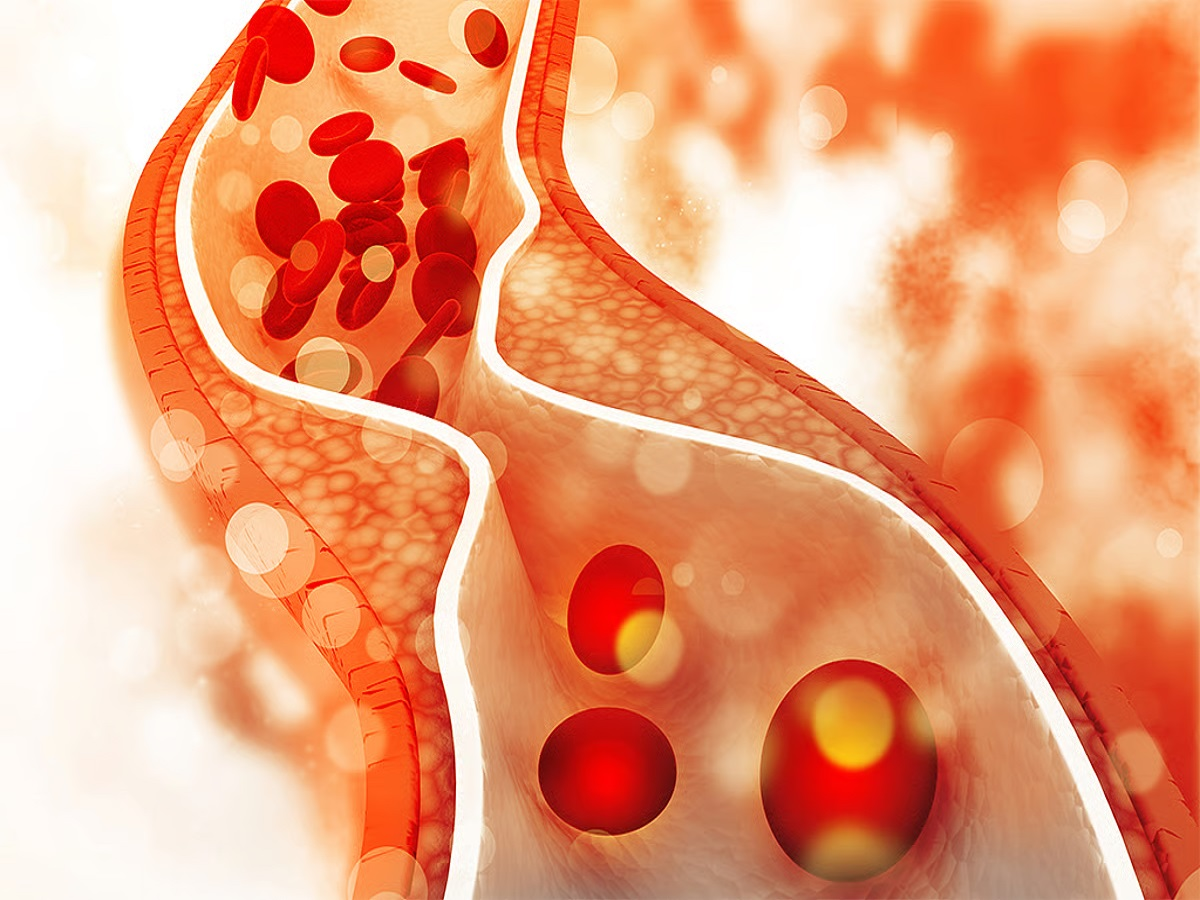
Medical experts explain that excessive levels of LDL cholesterol, commonly known as "bad cholesterol," can lead to the buildup of fatty deposits inside blood vessels. Over time, this may restrict blood flow to different parts of the body and increase the risk of serious health conditions, including heart disease, stroke, high blood pressure, and peripheral artery disease.
Interestingly, changes in the skin and feet can sometimes provide early clues that blood circulation is being affected.
Disclaimer: This article is for informational purposes only and should not be considered medical advice. Anyone experiencing symptoms should consult a qualified healthcare professional for diagnosis and treatment.
How High Cholesterol Affects the Body
Cholesterol is a waxy substance that the body needs for various functions, including hormone production and cell formation. Problems arise when LDL cholesterol levels become too high, allowing fatty deposits to accumulate inside arteries.
As these deposits grow, blood flow can become restricted. Reduced circulation may affect the heart, brain, legs, and other organs, leading to a range of symptoms and health risks.
Because circulation plays a crucial role in maintaining healthy skin and tissues, certain visible changes may appear when blood flow becomes impaired.
Skin Color Changes in the Feet
One potential warning sign associated with poor circulation is a noticeable change in the color of the skin, particularly in the lower legs and feet.
When blood flow is reduced, tissues may not receive enough oxygen. As a result, the skin may appear:
-
Pale
-
Bluish
-
Purplish
-
Unusually dark in some areas
These changes do not automatically mean a person has high cholesterol, but they can indicate circulation issues that warrant medical attention.
If skin discoloration is persistent or accompanied by other symptoms, a healthcare provider should be consulted for further evaluation.
Leg and Foot Pain
Pain in the legs or feet can also be linked to circulation problems caused by narrowed arteries.
When blood vessels become restricted, muscles may not receive adequate oxygen during physical activity. This can lead to:
-
Aching legs
-
Cramping during walking
-
Heaviness in the lower limbs
-
Discomfort that improves with rest
Some individuals may also experience numbness or tingling sensations in their feet.
These symptoms are often associated with reduced blood flow and should not be ignored, especially if they occur regularly.
Other Possible Signs of Poor Circulation
Although skin discoloration and leg pain are common indicators of circulation issues, other symptoms may also appear when blood flow is affected.
Possible warning signs include:
-
Cold feet or toes
-
Slow-healing wounds
-
Reduced hair growth on the legs
-
Weak or absent pulses in the feet
-
Persistent fatigue during physical activity
These symptoms can result from a variety of medical conditions, making proper diagnosis essential.
Why Early Detection Matters
High cholesterol often remains undetected for years because it rarely causes symptoms in its early stages. However, the condition can gradually damage blood vessels and increase the risk of serious cardiovascular complications.
Early detection offers several benefits:
-
Reduced risk of heart disease
-
Better blood pressure management
-
Improved circulation
-
Lower stroke risk
-
Enhanced overall health outcomes
Routine health checkups and cholesterol screenings remain the most reliable ways to identify elevated cholesterol levels before complications develop.
How to Maintain Healthy Cholesterol Levels
Doctors generally recommend a combination of lifestyle modifications to manage cholesterol and support heart health.
Eat a Heart-Healthy Diet
Focus on:
-
Fruits and vegetables
-
Whole grains
-
Nuts and seeds
-
Lean proteins
-
Healthy fats such as olive oil
Limiting processed foods, sugary drinks, and excessive saturated fats may help improve cholesterol levels.
Stay Physically Active
Regular exercise can help increase HDL ("good") cholesterol while supporting overall cardiovascular health.
Maintain a Healthy Weight
Weight management can contribute to better cholesterol control and improved circulation.
Avoid Smoking
Smoking damages blood vessels and increases the risk of cardiovascular disease.
Get Regular Health Checkups
Routine cholesterol testing helps identify problems early and allows for timely medical intervention.
Listen to What Your Body Is Telling You
Although high cholesterol often develops silently, changes in the skin, feet, and circulation may sometimes provide clues that something is wrong. Discoloration of the feet, recurring leg pain, numbness, or circulation-related symptoms should not be overlooked.
The best approach is to combine awareness of potential warning signs with regular medical screenings. Early diagnosis and lifestyle improvements can go a long way in protecting heart health and preventing long-term complications associated with high cholesterol.