LIFESTYLE
Herbal Color Adulteration: Are Holi Colors Really Natural or Chemically Treated? Know the Health Risks
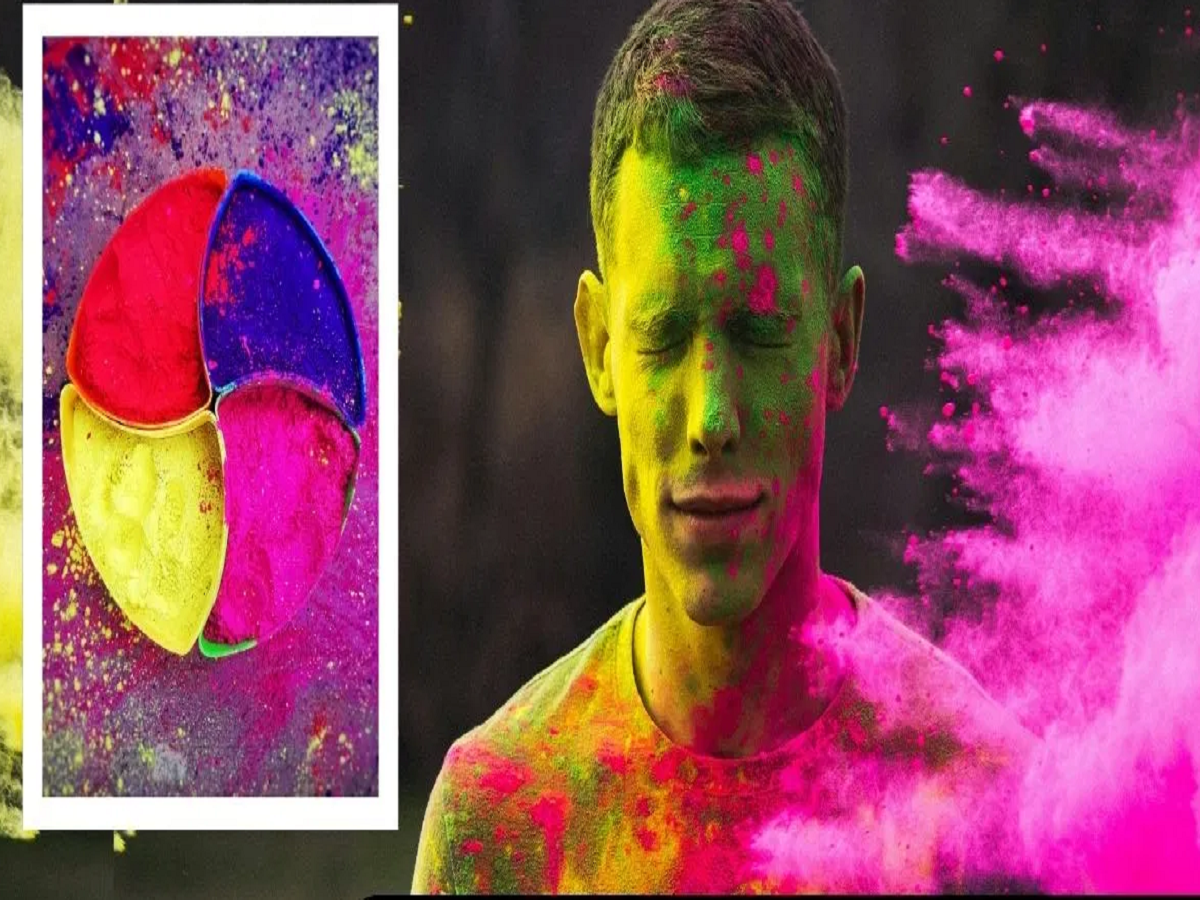
Holi is a festival of joy, togetherness, and vibrant colours, beginning with the ritual of Holika Dahan, which symbolises the victory of good over evil and the burning away of negativity. The following day, families come together to celebrate with food, laughter, and colours. However, every year, a serious concern resurfaces amid the festivities—are the colours sold in the name of “herbal” or “natural” actually safe?
Although many colours in the market are advertised as being made from flowers and herbs, the reality is often different. Several investigations and studies have shown that many so-called herbal Holi colours are adulterated with harmful chemicals. These synthetic colours are widely sold, often without proper labels, ingredient lists, or manufacturing details, putting consumers’ health at risk.
Research cited by the National Center for Biotechnology Information (NCBI) highlights that Holi colours commonly contain toxic substances such as endotoxins and heavy metals like lead. In earlier times, colours were prepared by drying and powdering flowers, but deforestation and large-scale commercial demand have led to the replacement of natural ingredients with cheap chemical alternatives. These synthetic colours are then misleadingly marketed as herbal to increase sales.
The harmful effects of such adulterated colours can range from skin rashes, itching, allergies, and eye irritation to more serious problems like respiratory issues and long-term toxicity due to heavy metal exposure. Since many of these colours are sold loose in markets, even shopkeepers are often unaware of their origin or composition.
There are a few simple ways to identify adulteration in herbal colours. Excessive shine is a major warning sign—natural gulal is usually dull, while an unnatural shine may indicate the presence of aluminium powder or finely crushed glass, which can cause cuts and skin injuries. Smell is another indicator; genuine herbal colours are either odourless or have a mild floral or herbal scent, whereas chemical colours may smell like petrol, kerosene, or harsh chemicals. You can also test the colour with water—natural colours dissolve evenly, while adulterated ones may float, settle at the bottom, or leave residue.
When buying Holi colours, always check the packaging carefully. Look for clear labels mentioning “natural,” “organic,” or “eco-friendly,” along with proper manufacturer details. Avoid colours that are extremely dark or unnaturally bright, as these are more likely to contain chemicals. Choosing safe colours not only protects your skin but also ensures that the festival of colours remains truly joyful and healthy for everyone.