
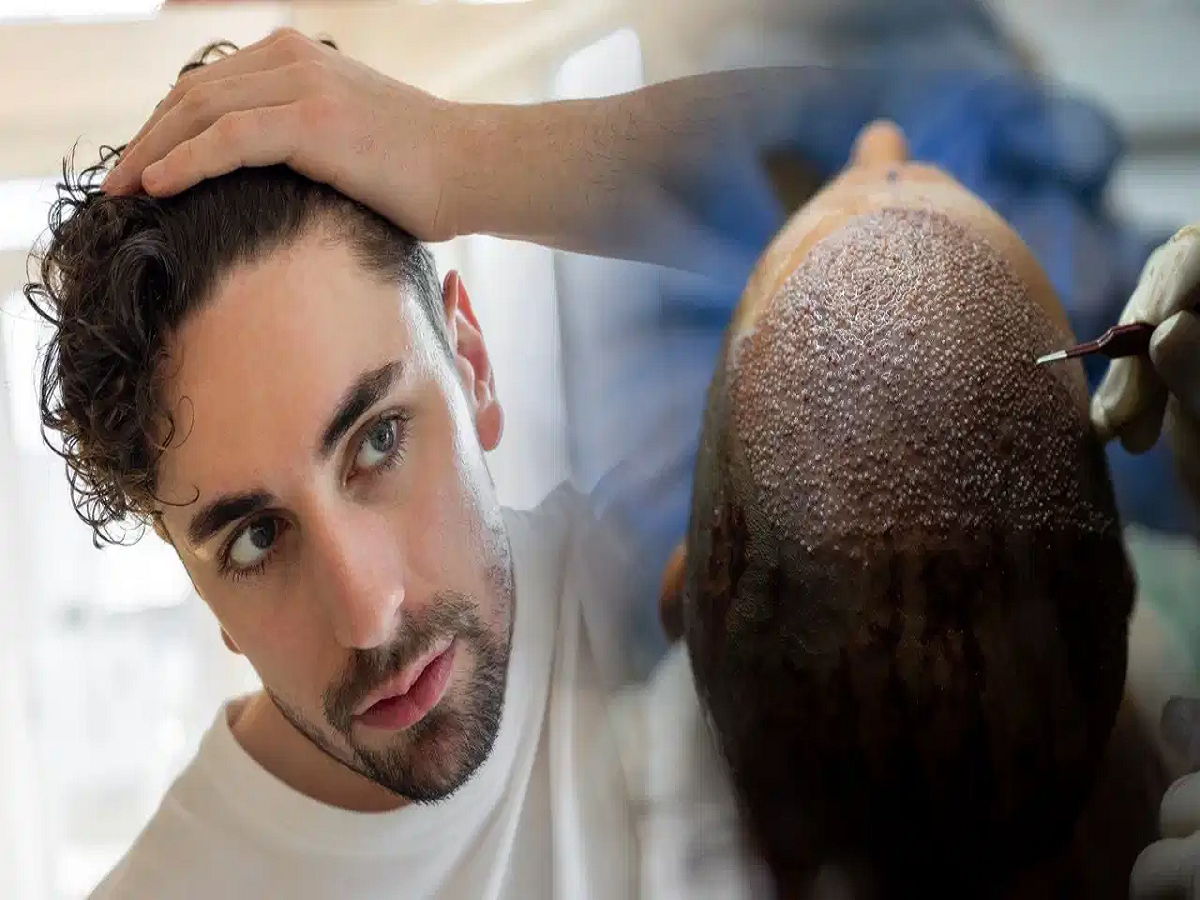
Hair loss was once considered a concern that mainly appeared with advancing age. That picture is changing. Dermatologists and hair-restoration specialists are increasingly seeing people in their early 20s seeking help for thinning hair, receding hairlines and even asking about hair transplant surgery.
Experts point to two major factors behind the trend. Some young adults are genuinely experiencing early hair loss, while others have become increasingly conscious of their appearance because of social media, selfies, video calls and constant exposure to seemingly “perfect” hairlines.
But specialists warn that wanting a hair transplant at 20 or 22 does not necessarily mean a person is ready for one.
Why Are Young People Worried About Their Hairlines?
Dermatologist and hair transplant surgeon Dr. Gaurav Garg says there has been an increase in inquiries from younger patients, including people in their early 20s, regarding hairline correction and hair transplantation.
Social media has significantly changed how people examine their appearance. A slightly receding or uneven hairline that may once have gone largely unnoticed can now become a major concern when people repeatedly examine photographs and videos or compare themselves with celebrities and influencers.
At the same time, genuine cases of early-onset hair loss are also being seen.
This is why specialists say it is important to distinguish between normal variations in the hairline and progressive hair loss before considering any procedure.
Hair Loss Can Begin in the Early 20s
Androgenetic alopecia, commonly called male-pattern hair loss, can begin earlier than many people expect.
Research has indicated that the condition can affect younger adults, although prevalence estimates vary depending on the population and criteria used.
An Indian study published in 2025 involving 99 younger patients with androgenetic alopecia found that the largest group was aged between 20 and 25 years. The average age was around 24.8 years, and more than half of the participants reported a family history of the condition.
Family history can therefore be an important factor when evaluating hair loss in younger people.
Is Social Media Creating a ‘Perfect Hairline’ Problem?
Social media may add another layer to the concern.
Highly edited photographs, filters, carefully styled hair and professionally created celebrity and influencer content can influence how young people think a “normal” hairline should look.
Constant comparison can make even minor changes in appearance seem significant. Some people may consequently seek cosmetic treatment before establishing whether they actually have progressive hair loss.
Experts therefore recommend that decisions about hair restoration should be based on a medical assessment rather than online beauty standards.
Should You Get a Hair Transplant Before 25?
According to Dr. Garg, specialists generally exercise greater caution when considering hair transplantation in patients younger than 25.
One important reason is that the pattern of hair loss may still be developing.
If a transplant is performed too early and natural hair continues to recede around the transplanted area, the appearance could change considerably over the following years. Further procedures might then be required to maintain a natural-looking result.
Waiting until the pattern becomes clearer can make long-term planning easier.
A Hairline Should Be Designed for the Future
A successful hair transplant isn't simply about creating the lowest or thickest possible hairline.
Doctors must consider how that hairline is likely to look as the patient grows older and whether enough donor hair will remain available if additional hair loss occurs.
A hairline that appears attractive at 22 should ideally continue to look natural at 30, 40 and beyond.
This is why conservative, long-term planning can be particularly important for younger patients.
Don't Rush Into Surgery
Young adults noticing rapid thinning, excessive hair fall or a receding hairline should consider consulting a dermatologist or qualified hair-restoration specialist.
A professional assessment can help determine the type of hair loss, possible causes and how quickly it appears to be progressing. Depending on the diagnosis, doctors may recommend monitoring or appropriate non-surgical treatments before considering transplantation.
For carefully selected patients, a hair transplant can be an effective option. But experts caution against undergoing surgery simply to copy the appearance of a celebrity, influencer or social-media image.
The key message for people in their early 20s is simple: seek advice early, but don't rush into a transplant. Understanding why the hair is thinning and how the pattern may progress is more important than immediately chasing a “perfect” hairline.


