LIFESTYLE
Hair Falling Out After Stress? A Dermatologist Explains How Severe Anxiety Can Affect Your Hair
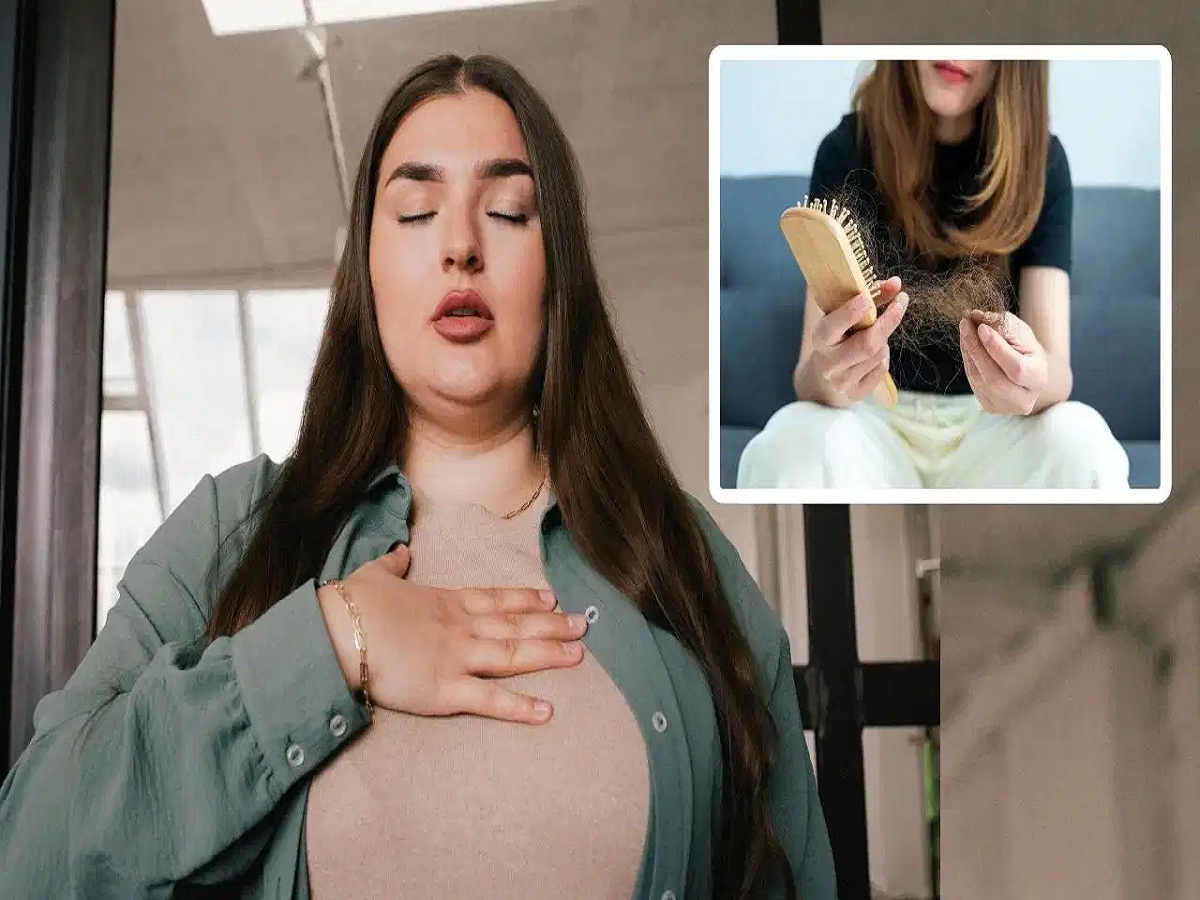
Stress and anxiety have become increasingly common in everyday life. While occasional stress may not have a major impact on the body, prolonged or intense stress can affect several aspects of physical health—including the normal hair growth cycle.
Some people notice significantly more hair on their pillow, comb or bathroom floor after going through a particularly stressful period. But can anxiety really be responsible for hair loss?
Dermatologists say that severe or prolonged stress can contribute to increased hair shedding, although the effect varies from person to person. Understanding how this happens can help you identify whether stress may be playing a role in your hair loss.
How Does Stress Trigger Hair Loss?
According to Dr. Vijay Singhal, Senior Consultant in Dermatology at Shri Balaji Action Medical Institute, Delhi, prolonged severe stress or anxiety can keep the body in a heightened stress response.
Hair normally goes through several stages of growth and rest. Under significant stress, some hair follicles can enter the resting phase earlier than they normally would.
This can result in a condition known as telogen effluvium, in which increased hair shedding occurs after a larger-than-usual number of hairs enter the resting phase.
Hair Loss May Appear Weeks or Months Later
One confusing aspect of stress-related hair loss is that it may not happen immediately after a stressful event.
A person may experience a stressful period and notice excessive shedding several weeks or even months later. Because of this delay, it can be difficult to connect the hair loss with the original stress or anxiety.
You may notice more hair than usual falling out while:
-
Washing your hair
-
Combing or brushing
-
Running your fingers through your hair
-
Changing or styling your hair
In many cases, the shedding is diffuse, meaning hair loss occurs across the scalp rather than in one clearly defined bald patch.
Don't Blame Every Case of Hair Loss on Anxiety
Although stress can contribute to hair shedding, anxiety isn't necessarily the only cause.
Hair loss can also be associated with factors such as:
-
Iron or other nutritional deficiencies
-
Thyroid problems
-
Hormonal changes
-
Sudden weight loss
-
Poor or restrictive diet
-
Lack of sleep
-
Certain medications
-
Scalp conditions
This is why persistent hair loss shouldn't simply be dismissed as a consequence of stress. Finding the underlying cause is important before starting supplements or other treatments.
Managing Stress May Also Help
If stress is contributing to hair shedding, addressing the stress itself can be an important part of managing the problem.
Maintaining a regular sleep schedule, eating a balanced diet, exercising regularly and practising relaxation techniques such as meditation may help support overall wellbeing.
If anxiety is severe or interfering with daily life, speaking with a qualified mental health professional can also be beneficial.
When Should You See a Doctor?
Occasional hair shedding is normal, but you should consult a dermatologist if you notice persistent or excessive hair loss, rapid thinning, clearly defined areas of hair loss, or scalp symptoms such as itching, redness or significant flaking.
Rather than immediately taking hair supplements or trying random treatments, it's better to determine the underlying cause first. Once the cause is identified, a doctor can recommend the most appropriate treatment.
So, yes—severe and prolonged stress can play a role in hair loss, but it is only one of several possible causes. If your hair fall continues or is getting worse, professional evaluation is the safest way to find out what's really happening.