BUSINESS
Gold-Silver ETF: How to choose the right gold-silver ETF, what are the things to consider? Learn every detail
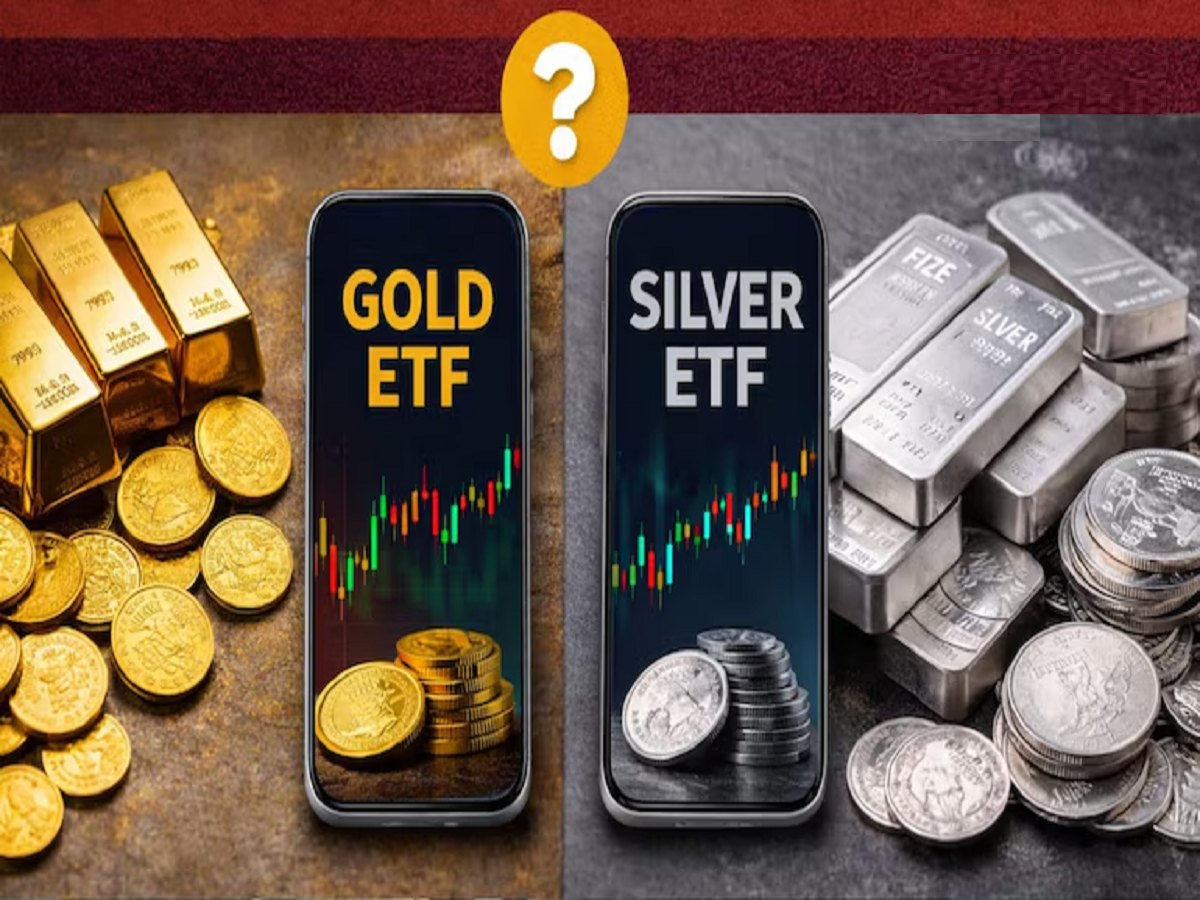
Gold-Silver ETFs: Investing in gold and silver ETFs is easy, but choosing the right fund is crucial. Learn how to choose the right fund and how much to invest in your portfolio.
Looking at recent returns alone is not the right approach when choosing an ETF.
Gold-Silver ETF: The past few weeks have been extremely volatile for gold and silver. However, following the US and Israeli attacks on Iran, investors are once again turning to safe havens.
Previously, people used to buy physical gold or silver. Now, investing in gold and silver ETFs has become easier without the hassle of storage and security. However, before investing, it's important to understand what an ETF is and how to choose the right one.
What are Gold and Silver ETFs?
Gold ETFs and silver ETFs are funds that track the price of gold and silver. Their units are bought and sold on stock exchanges, just like shares. Each unit is backed by a fixed amount of physical gold or silver.
A demat account and a trading account are required to invest in them. Prices fluctuate in real time during market hours.
How to invest in Gold and Silver ETFs
- First of all you must have a Demat and trading account.
- After this, search for gold or silver ETF on your broker's platform.
- Decide the number of units of the ETF you want to invest in and buy it through a market or limit order.
- After purchase it will be reflected in your demat account.
The price of ETF is linked to global gold and silver prices; hence it is important to keep an eye on the movements of the international market.
How to Choose the Right ETF
When choosing an ETF, looking solely at recent returns isn't the right approach. According to Siddharth Srivastava, ETF Product Head and Fund Manager at Mirae Asset Investment Managers (India), liquidity and a low expense ratio are the primary considerations when investing. Tracking error is also important.
Expense ratio: This is the fund management fee. The lower the expense ratio, the better, as it impacts returns over the long term.
Tracking error: It's important to measure how accurately the ETF is tracking the actual gold or silver price. Lower tracking error is considered better.
Liquidity: The ETF should have good trading volume. Low liquidity can result in a large price difference between buying and selling.
Assets under Management (AUM): Higher AUM indicates investor confidence and better liquidity.
Credibility of the fund house: It is safe to choose an ETF from a trusted and established asset management company.
What is the difference between Gold and Silver ETFs?
Gold is generally considered a safe-haven asset. Its demand increases during times of crisis. Silver prices are also influenced by industrial demand, which is why they can fluctuate more. If your risk appetite is low, gold ETF may be more appropriate. If you can tolerate more volatility, consider a silver ETF with a limited exposure.
Most financial advisors recommend investing 5 to 15 percent of your total portfolio in assets like gold or silver, though this depends on your age, risk appetite, and investment goals.
Take a long-term view
The purpose of gold and silver ETFs is not to generate quick profits, but to balance a portfolio. When the stock market declines, these assets can help limit losses, as is currently happening. Therefore, don't make large investments just because of a rally or panic-sell when a rally is observed.
If you want to invest in precious metals without physical risk, gold and silver ETFs are a simple and transparent option. With the right selection and balanced investments, they can add stability to your portfolio.
Disclaimer: The advice or opinions expressed on Moneycontrol.com are the personal opinions of the experts/brokerage firms. The website or its management is not responsible for them. News Crab advises users to always seek the advice of a certified expert before making any investment decisions.