Pregnancy brings major physical and emotional changes to a woman's life. Hormonal fluctuations, nausea, fatigue, changes in appetite and gradual weight gain are just some of the changes that may occur as the baby develops.
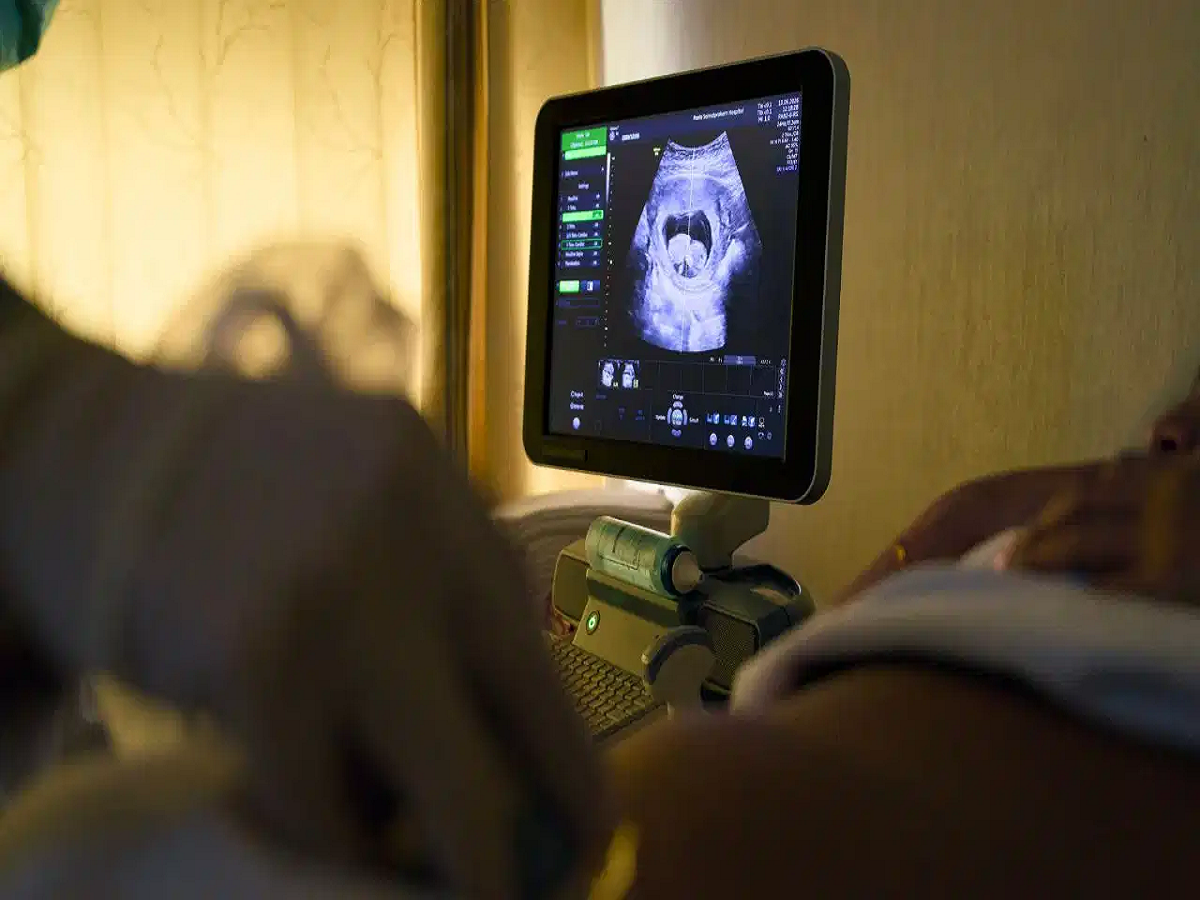
Pregnancy is broadly divided into three trimesters, with the baby going through different stages of development in each. Along with regular medical checkups, ultrasounds are an important part of prenatal care. For many expectant mothers, the first ultrasound is an especially significant milestone.
Dr. Priyanka Sharma, Senior Consultant in Obstetrics and Gynecology at Cocoon Hospital, explains that the first pregnancy ultrasound allows doctors to assess several important aspects of early pregnancy.
When Is the First Pregnancy Ultrasound Done?
The first ultrasound is generally performed during the early weeks of pregnancy. However, there isn't necessarily one fixed week that is appropriate for every woman.
The timing can depend on the woman's health, medical history, symptoms and how the pregnancy is progressing. In certain situations, a doctor may recommend an ultrasound earlier than would otherwise be necessary.
This early scan can help confirm that the pregnancy is developing in the expected location and provide doctors with valuable information about its progress.
What Does the Doctor Check During the First Ultrasound?
One of the important purposes of an early ultrasound is to confirm that the pregnancy is located inside the uterus. This is particularly important because a pregnancy developing outside the uterus, known as an ectopic pregnancy, can require urgent medical attention.
The scan can also help estimate how far the pregnancy has progressed and, depending on the stage, assess the developing embryo or fetus and cardiac activity.
Measurements taken during the scan may also help doctors estimate the expected delivery date.
Can the First Ultrasound Detect Twins?
Yes. An early ultrasound can help determine whether there is one developing baby or a multiple pregnancy, such as twins.
Doctors may also examine the uterus and surrounding structures for findings that could require additional monitoring, testing or treatment.
What If the Heartbeat Isn't Seen?
Whether cardiac activity can be detected depends greatly on how early the ultrasound is performed.
If a scan is carried out very early, certain expected features may not yet be visible. This does not automatically mean there is a problem. Depending on the circumstances, the doctor may recommend repeating the ultrasound after an appropriate interval.
This is why ultrasound findings should always be interpreted according to the estimated stage of pregnancy and the woman's individual medical situation.
How Is the First Pregnancy Ultrasound Performed?
Ultrasound during early pregnancy can be performed in different ways.
A transabdominal ultrasound involves moving an ultrasound probe over the abdomen. Depending on how early the pregnancy is and what needs to be examined, a transvaginal ultrasound may also be recommended.
A transvaginal scan can sometimes provide clearer images during very early pregnancy because the developing pregnancy is still extremely small.
The doctor will decide which method is more appropriate based on the stage of pregnancy and the information required.
Will You See a Clear Image of the Baby?
Not necessarily. Parents may expect the first ultrasound to show a clearly recognizable baby, but this may not happen during the earliest weeks.
The appearance and clarity of the image depend largely on how far the pregnancy has progressed and the type of ultrasound being performed.
As pregnancy advances, the baby's structures generally become easier to identify on subsequent scans.
Don't Wait for a Scheduled Scan If These Symptoms Appear
Some symptoms during early pregnancy require prompt medical attention rather than waiting for a routine ultrasound appointment.
Seek medical advice urgently if you experience severe abdominal or pelvic pain, heavy vaginal bleeding, significant dizziness, fainting or another serious or rapidly worsening symptom.
Such symptoms can have several possible causes, and timely medical evaluation is important.
Every Pregnancy Is Different
The timing and purpose of the first ultrasound can vary from one pregnancy to another. Some women may need an early scan because of symptoms or their medical history, while others may have their first ultrasound later as part of routine prenatal care.
Therefore, rather than comparing your pregnancy with someone else's, follow the ultrasound and checkup schedule recommended by your obstetrician.
The Bottom Line
The first pregnancy ultrasound can provide important information about the location and progress of the pregnancy, gestational age, expected delivery date and whether there is more than one developing baby. Depending on how far the pregnancy has progressed, doctors may also assess cardiac activity and other early developmental features.
However, what can be seen during the first scan depends greatly on its timing. If an early ultrasound doesn't show everything you expected, your doctor may recommend another scan later.
Regular prenatal checkups and following your doctor's advice remain the best way to monitor both maternal health and the baby's development throughout pregnancy.