AUTO
EV Insurance Costs More Than Petrol Cars? Here’s the Real Reason, From Battery Damage to Repair Bills
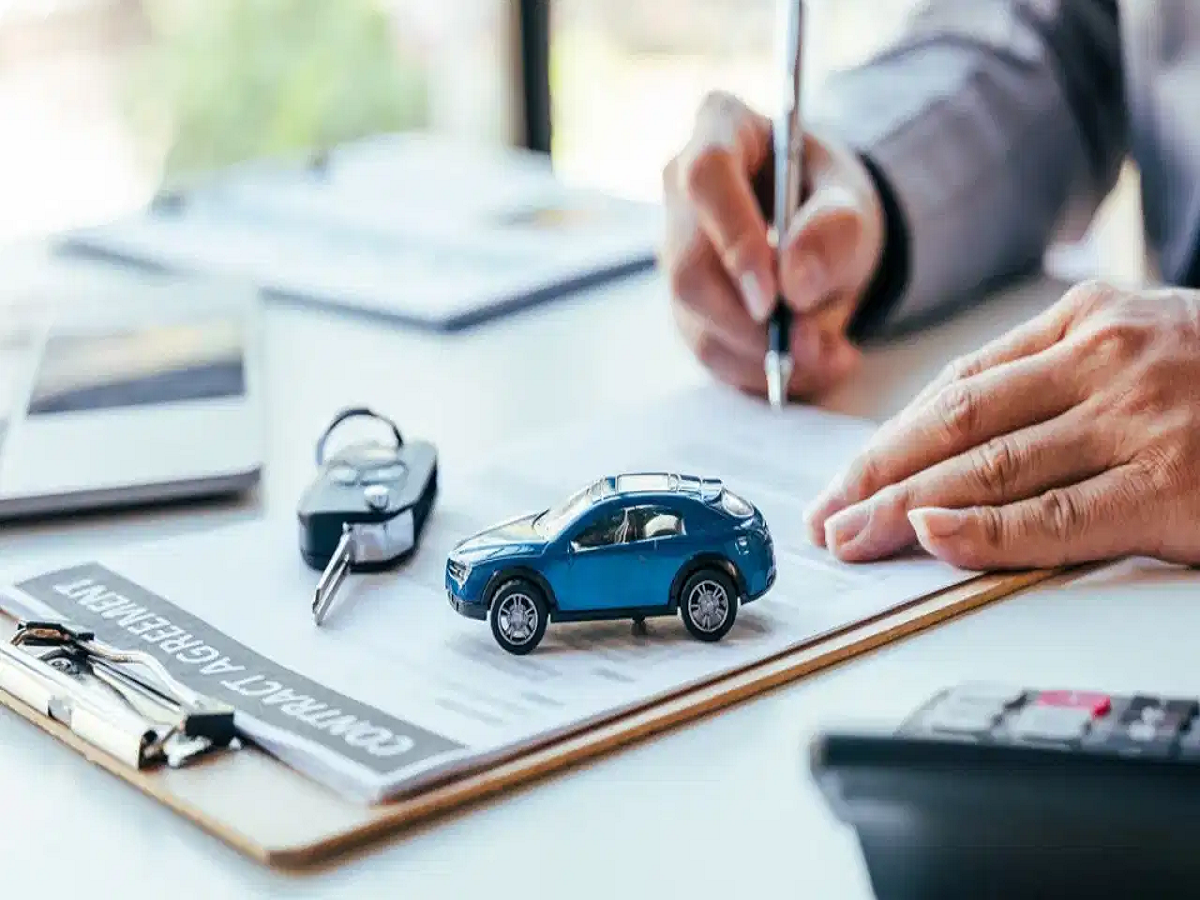
Electric cars have become increasingly popular in India because of their low running costs, reduced dependence on fuel and growing charging infrastructure. But while calculating the cost of buying an EV, most buyers focus on the purchase price, charging expenses and maintenance.
There is another important cost that shouldn't be overlooked: insurance.
Although third-party insurance is mandatory for cars and its premium is not dramatically different simply because a vehicle is electric, the cost of comprehensive or own-damage insurance can be higher for EVs. Several factors, including the vehicle's value, battery technology and repair expenses, contribute to this difference.
How Much More Can EV Insurance Cost?
The difference varies depending on the vehicle, insurer, coverage and location. In many cases, EV insurance may cost around 15–25% more than insurance for a comparable petrol or diesel car.
However, quotes can differ considerably between models and insurers, and online comparisons may sometimes show a much larger gap.
For example, insurance estimates for a petrol Tata Nexon and its electric counterpart can differ because of differences in vehicle value and the cost of components.
So, there is no single fixed percentage that applies to every EV.
Why Does EV Insurance Cost More?
1. EVs Can Have a Higher Purchase Price
One of the simplest reasons is the value of the vehicle itself.
Many electric cars are priced higher than comparable petrol or diesel versions. A more expensive vehicle generally has a higher Insured Declared Value (IDV), which can increase the premium for own-damage coverage.
In other words, when the insurer is potentially covering a more expensive vehicle, the cost of that risk can also be higher.
2. The Battery Is an Extremely Expensive Component
The battery pack is one of the most valuable components of an electric car.
Unlike a conventional car, where damage to individual engine components may be repaired or replaced separately, serious damage to an EV battery pack can involve expensive diagnostic work or replacement.
Depending on the model, battery size and extent of damage, replacement costs can run into several lakhs of rupees.
This is one of the biggest factors insurers have to consider when pricing comprehensive EV coverage.
3. EV Repairs Can Require Specialised Equipment
Electric vehicles use high-voltage systems, sophisticated electronics and specialised components.
Repairing or diagnosing these systems requires trained technicians and appropriate equipment. Such facilities are becoming more common, but they may still be less widespread than conventional car repair networks.
This can increase labour and repair costs, particularly when specialised parts or technicians are required.
4. Some Parts May Be Expensive to Replace
Another factor is the availability and cost of EV-specific components.
For certain repairs, individual components may not always be available separately, meaning a larger assembly could need to be replaced. The final repair bill can therefore become significantly higher than expected.
Body damage can also affect components located underneath or near the battery pack, requiring additional inspection before the vehicle is returned to the road.
5. Repair Times Can Be Longer
EV repairs can sometimes take longer because of specialised diagnostics, parts availability and safety procedures involved in working with high-voltage systems.
A longer repair cycle can affect the overall cost of an insurance claim.
Does This Mean EVs Are More Expensive to Own?
Not necessarily.
Insurance is only one part of the total cost of ownership. EVs can have advantages such as lower energy costs and fewer routine mechanical components compared with conventional internal-combustion cars.
However, buyers should consider the complete ownership picture rather than looking only at fuel or charging expenses.
Before purchasing an EV, compare insurance quotes for the exact model and variant, check battery coverage carefully, understand the policy's terms and look at the insurer's network of authorised repair facilities.
What Should EV Buyers Check Before Buying Insurance?
Before choosing a policy, pay particular attention to:
-
Battery protection and coverage terms
-
Coverage for charging-related damage
-
Zero-depreciation cover, where available
-
Consumables coverage
-
Roadside assistance
-
Cashless repair network
-
EV-specific exclusions
-
Deductibles and claim limits
-
Coverage for accidental damage to high-voltage components
The cheapest premium isn't always the most useful policy. For an EV, understanding exactly what is covered can be just as important as the premium you pay.
The Bottom Line
Electric cars can offer significant savings in day-to-day running costs, but their insurance can be relatively expensive because EVs often have higher vehicle values, costly battery packs and specialised repair requirements.
As EV technology becomes more widespread and repair networks expand, insurance pricing and repair costs may evolve. For now, buyers should factor insurance into their total ownership budget rather than comparing EVs and petrol cars only on fuel or charging expenses.