BUSINESS
Energy Independence: India Overhauls Oil & Gas Royalty Rules to Battle Global Supply Crises
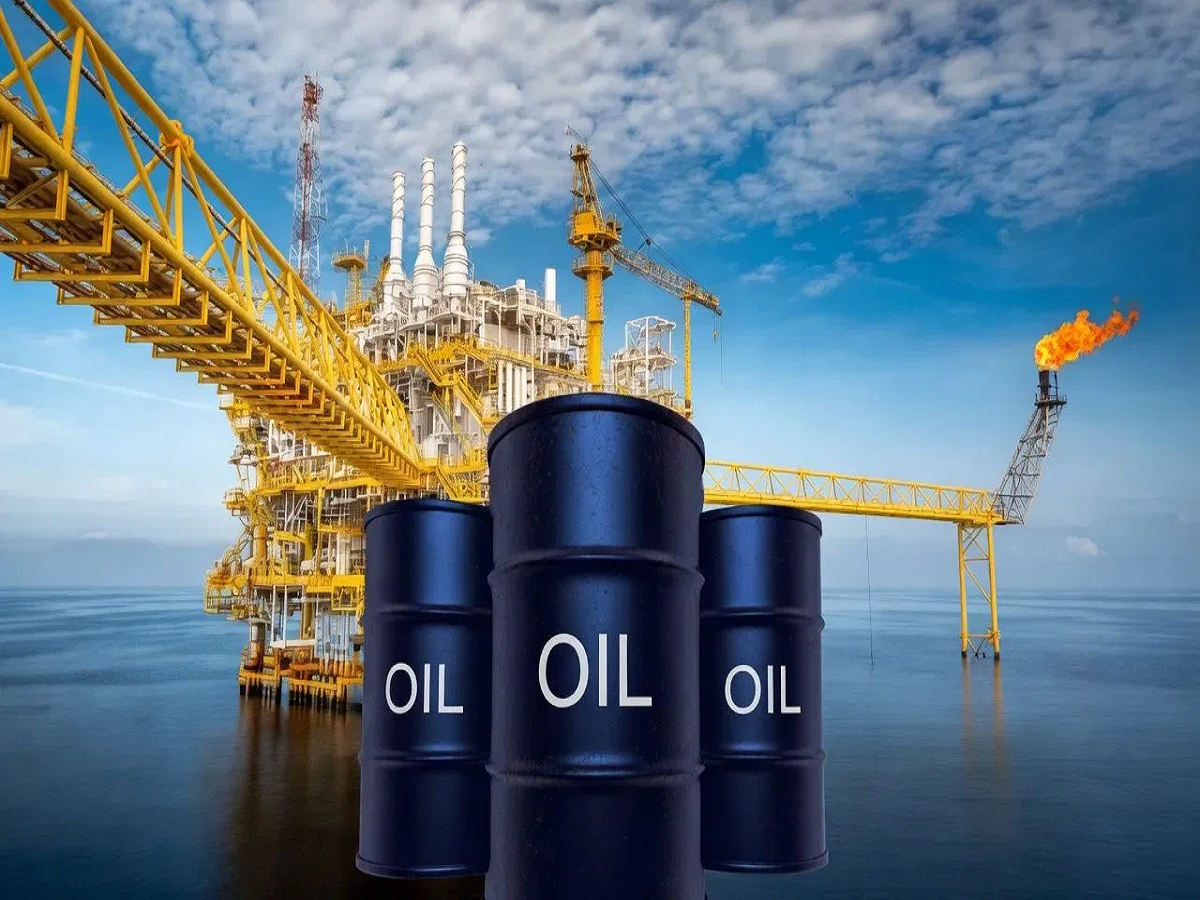
In a strategic move to fortify national energy security against a backdrop of rising global conflicts, the Central Government has announced a sweeping overhaul of the royalty structure for the oil and gas sector. By rationalizing rates and simplifying calculation methods for crude oil, natural gas, and casing head condensate, the government aims to transform India into a global hub for energy investment.
Union Petroleum and Natural Gas Minister Hardeep Singh Puri hailed the decision as a "landmark step," signaling the end of complex, inconsistent policies that have long hindered the industry's growth.
A New Era for Energy Investment
The 2025 amendments to the ORD Act and PNG Rules are designed to strip away layers of bureaucratic red tape. Here is what the change means for the sector:
-
Transparency & Clarity: The new regime eliminates confusing differences across various contracts, replacing them with a uniform, transparent system.
-
Predictable Business Environment: By aligning with global standards, the government is providing domestic and international firms with a stable framework, boosting investor confidence.
-
Boosting Production: Simplified rules are expected to accelerate exploration and production, helping India tap into its own natural resources more effectively.
Why Now? The Geopolitical Push
This policy shift arrives at a critical juncture. With ongoing instability in West Asia threatening the global energy market, the government is moving fast to reduce India's dependence on imports.
"This landmark decision will be a major step towards regulatory clarity," tweeted Minister Hardeep Singh Puri, emphasizing that the move replaces outdated regulations with a competitive, modern system.
The Dual Strategy: Production Meets Conservation
While the government works to increase domestic oil and gas output, Prime Minister Narendra Modi has simultaneously issued a call to action for the public. To navigate the current energy instability, the PM has recommended a "conservation-first" approach:
-
Smart Commuting: Increased use of public transport and clean energy alternatives.
-
Modern Work Culture: Encouraging work-from-home (WFH) and virtual meetings where possible to slash petrol and diesel demand.
-
Energy Efficiency: Adopting habits that reduce the national fuel footprint.
The Bottom Line
By simplifying how companies pay for the resources they extract, India is inviting global giants to "drill in India." This combined strategy of policy rationalization and public conservation is the government's roadmap to navigating the turbulent waters of the 2026 global energy crisis.