BUSINESS
Electricity Bill Rules May Change: Government's New Power Policy Could Affect How Your Bill Is Calculated
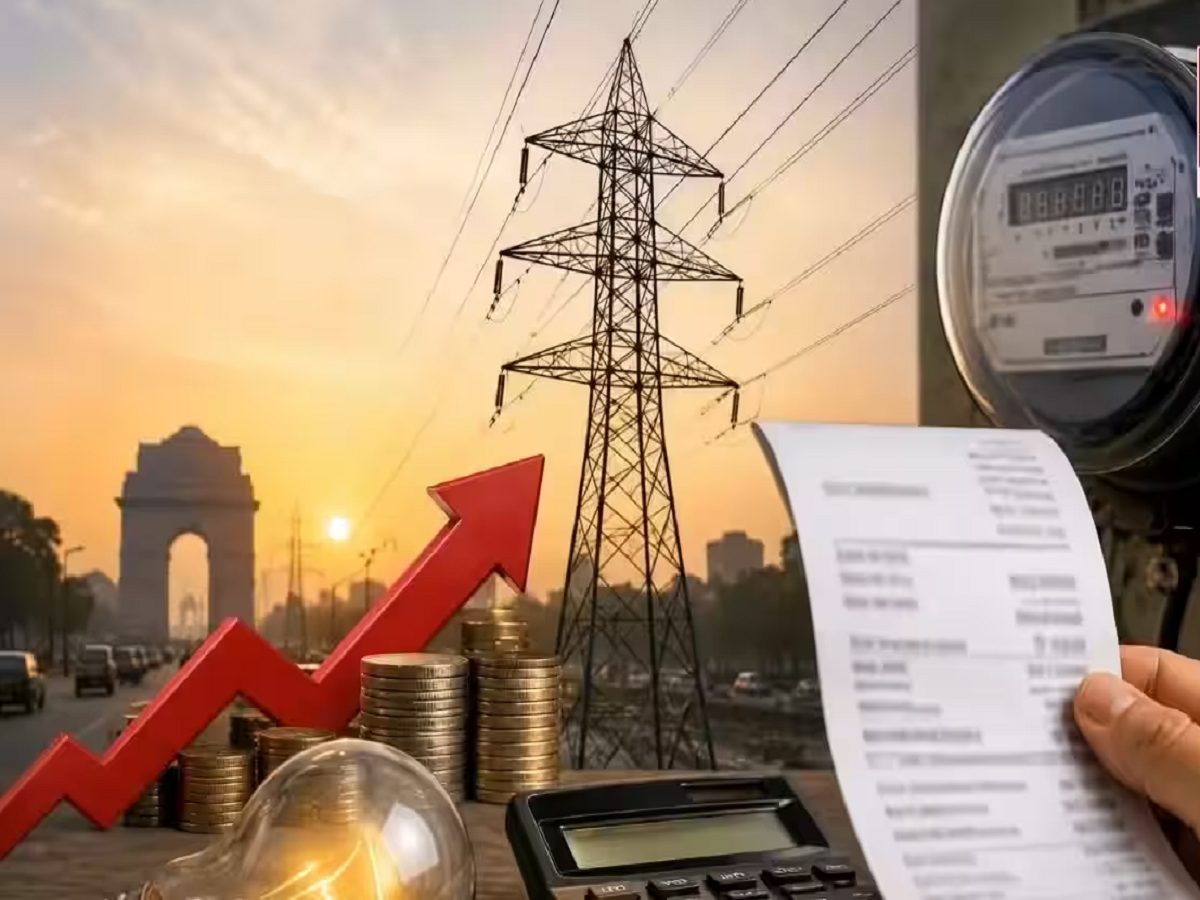
The government is considering significant changes to the way electricity distribution companies plan power supply and recover costs from consumers. The Draft National Electricity Policy 2026 proposes several measures aimed at improving electricity reliability, reducing distribution losses, and making tariff structures more closely reflect the actual cost of supplying power.
For ordinary electricity consumers, one of the most important proposals relates to fixed or demand charges. If implemented, the changes could affect how electricity bills are structured in the future.
What Has the Government Proposed?
Under the draft policy, distribution companies would be required to prepare Resource Adequacy Plans to ensure that sufficient electricity is available to meet future demand at the lowest overall system cost.
The policy also proposes that electricity tariffs should progressively recover fixed costs through demand or fixed charges. This would make the tariff structure more closely reflect the cost involved in maintaining electricity supply and infrastructure.
However, these are proposals in a draft policy and should not be treated as an immediate nationwide change to electricity bills.
Why Could Your Electricity Bill Structure Change?
Electricity distribution companies have costs even when a household consumes very little electricity. They need to maintain transformers, distribution lines, meters, substations, and other infrastructure required to keep electricity available.
The proposed approach would give greater importance to recovering such fixed costs through demand or fixed charges rather than relying primarily on consumption-based charges.
This could make the structure of electricity bills different from what some consumers are currently accustomed to.
24x7 Power Supply Is Also a Major Focus
The draft policy proposes that distribution companies work towards reliable, affordable and quality 24x7 electricity supply.
This comes as India's electricity demand continues to grow. Government data shows that India's installed power generation capacity had reached 520.51 GW by January 2026, while the national power shortage had fallen to 0.03% by December 2025.
The government is therefore focusing not only on adding generation capacity but also on strengthening distribution systems.
Online Complaint Tracking Could Improve
Another consumer-focused proposal involves strengthening grievance redressal mechanisms.
The draft policy proposes robust online systems through which consumers can register, track, and resolve electricity-related complaints. It also mentions virtual hearings through Consumer Grievance Redressal Forums and Ombudsman mechanisms.
If implemented effectively, this could make it easier for consumers to follow up on issues such as billing disputes, supply problems, meter-related complaints, and other service concerns.
What Does This Mean for Consumers Right Now?
There is no need to immediately change anything or assume that your electricity bill will increase.
The National Electricity Policy 2026 is currently a draft, and proposed changes can be modified before final implementation. Actual electricity tariffs are also determined through the relevant regulatory process and can vary by state and consumer category.
For now, consumers should simply keep an eye on announcements from their state electricity regulator and distribution company.
The Bottom Line
The government's proposed electricity policy could bring changes to the way power companies plan supply, recover fixed costs, and handle consumer complaints.
The biggest potential change for households is the greater emphasis on fixed or demand-based charges. At the same time, the policy aims to improve electricity reliability and strengthen online grievance redressal.
Since the policy is still in draft form, consumers should wait for the final rules before assuming that their monthly electricity bills will change.