LIFESTYLE
Eating Pickles in Winter: An Ayurvedic Expert Explains Their Health Benefits and Precautions
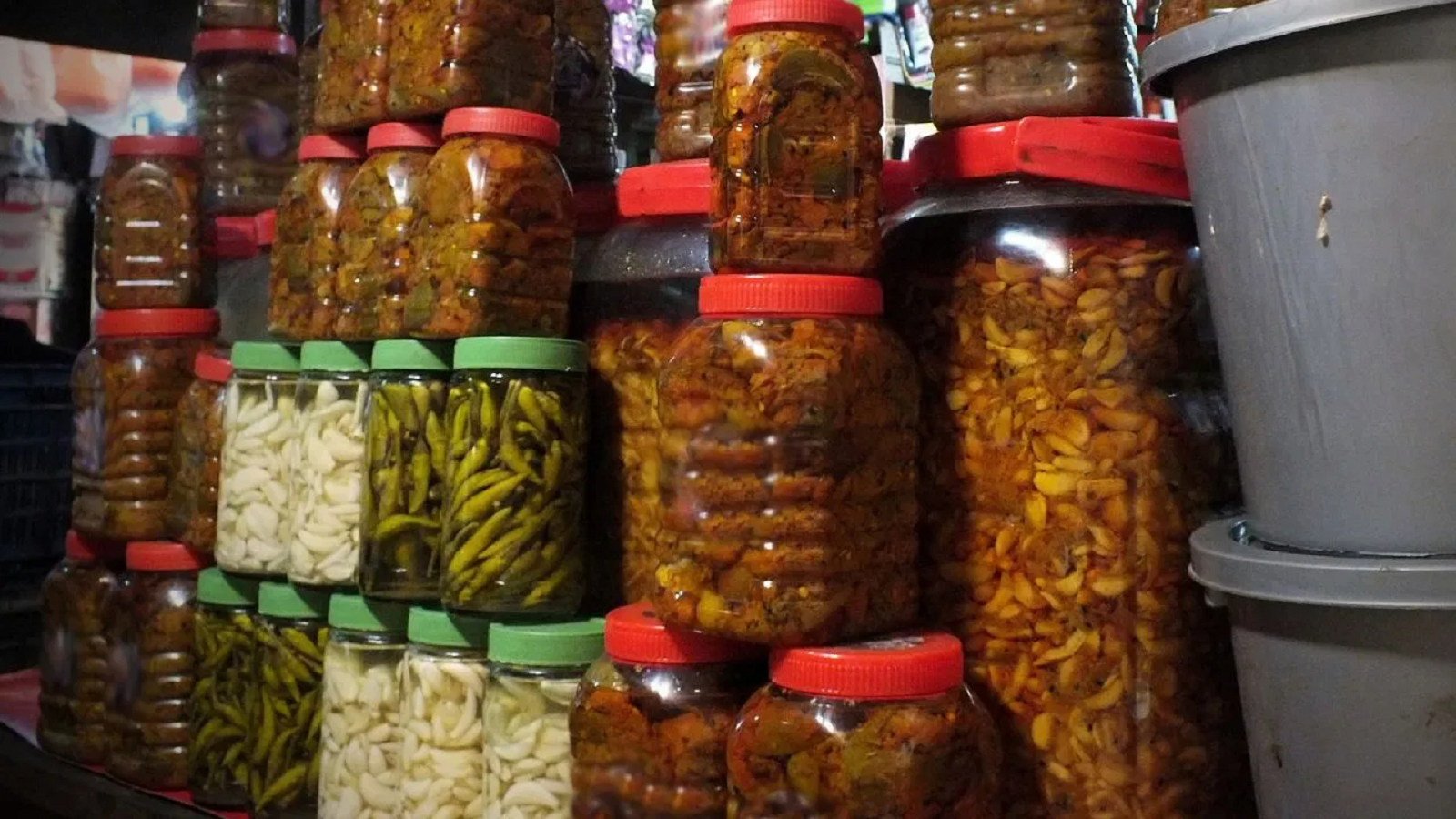
Pickles are a favorite part of Indian meals, especially during the winter season. While mango pickles are usually prepared in summer, winter brings a variety of seasonal options like carrot, radish, turnip, cabbage, and amla pickles. These flavorful condiments not only enhance the taste of food but, when consumed in moderation, can also offer several health benefits.
How Pickles Are Prepared
To make pickles, vegetables are thoroughly washed, chopped, and sun-dried. Spices such as mustard seeds and fenugreek are added along with oil, and the mixture is left in the sun to ferment naturally. This fermentation process enhances both the flavor and the nutritional value of the pickles.
Ayurvedic View on Eating Pickles
According to Jaipur-based Ayurveda expert Kiran Gupta, fermented pickles help the body produce Vitamin B12, which strengthens immunity. The mustard and fenugreek seeds used in pickles aid digestion and improve gut health. During winter, when the digestive system tends to slow down, pickles can help stimulate appetite and metabolism.
Key Health Benefits
-
Boosts Immunity: The fermentation process supports the growth of beneficial bacteria that improve gut health and immune function.
-
Aids Digestion: Spices in pickles activate digestive enzymes, promoting better nutrient absorption.
-
Provides Warmth: The oil and spices naturally increase body heat, which is beneficial in cold weather.
-
Nutrient-Rich: Seasonal vegetables used in pickles retain essential vitamins and minerals even after fermentation.
Who Should Avoid Pickles
While pickles are healthy in moderation, they are not suitable for everyone. People suffering from high blood pressure, diabetes, acidity, heartburn, diarrhea, liver, kidney, or heart diseases should avoid them. Additionally, pregnant women and young children are advised to limit pickle consumption.
Eat in Moderation
Pickles are high in salt, oil, and spices, which can increase the risk of high cholesterol or blood pressure if eaten excessively. One small serving with a meal is enough to enjoy the taste and health benefits without side effects.
Choose Homemade Over Store-Bought
Most packaged pickles available in the market contain preservatives and artificial additives to extend shelf life. Homemade pickles, on the other hand, are safer and more nutritious as you can choose high-quality ingredients and control the spice and oil levels.
The Bottom Line
When made at home and eaten in limited quantities, pickles can be a great addition to winter meals. They not only enhance flavor but also support digestion and immunity. However, moderation is key — excessive consumption or reliance on packaged pickles may do more harm than good.