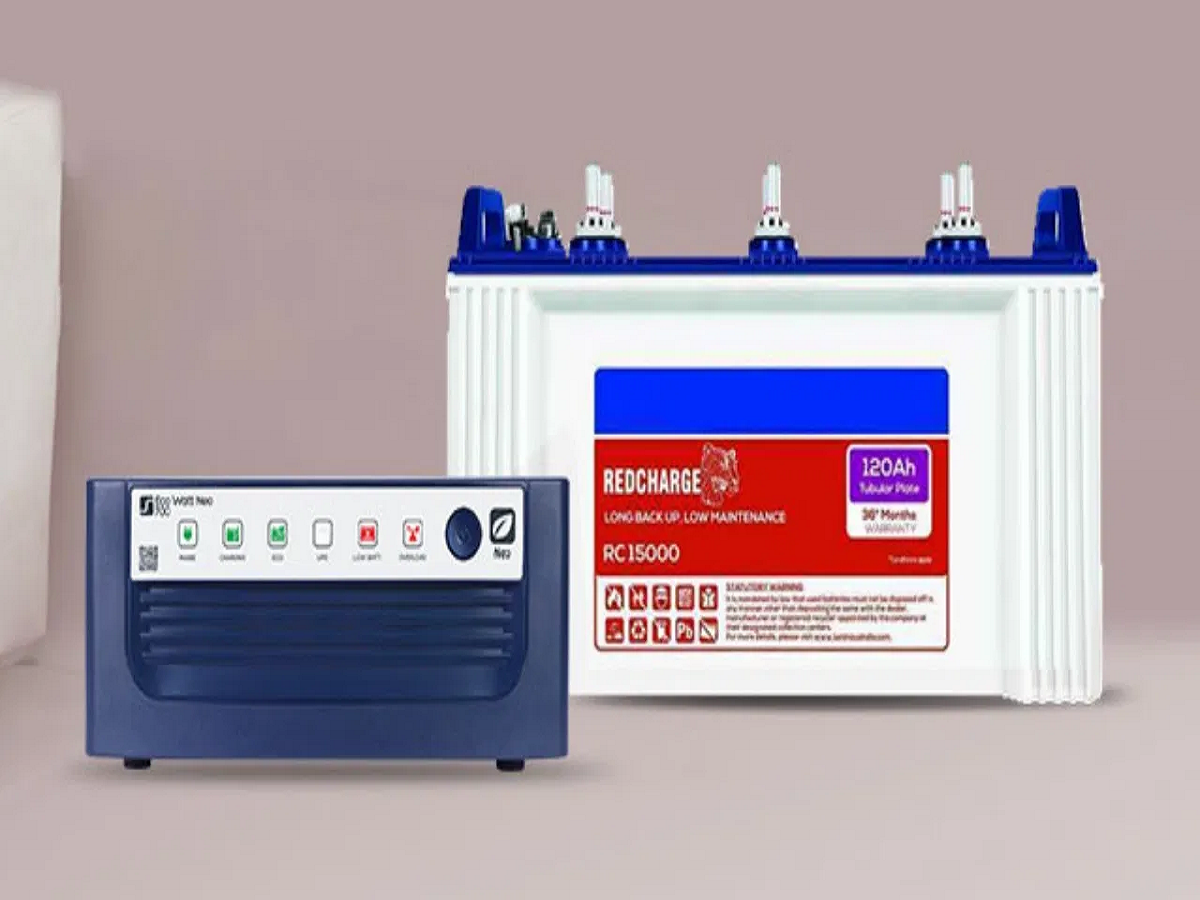
With the summer heat leading to prolonged power outages, an inverter is often the only thing keeping your home comfortable. However, a small oversight—forgetting to check the battery's water level—can turn into an expensive disaster. If your battery is running dry, you aren't just losing backup time; you are actively destroying the device from the inside out.
The Hidden Danger: What Happens Inside a Dry Battery?
A lead-acid battery relies on a precise balance of water and acid to function. When the water level drops too low:
-
Plate Exposure: The internal lead plates are exposed to the air.
-
Rapid Sulfation: This exposure triggers the formation of hard lead sulfate crystals on the plates.
-
Overheating: Sulfation causes the battery to struggle during charging and discharging, leading to excessive heat that can warp or melt internal components.
4 Signs of Damage to Watch Out For
If you ignore the water markers, your battery will eventually show these symptoms of distress:
-
Reduced Backup Time: The battery holds significantly less charge and dies faster than before.
-
Slower Charging: It takes much longer to reach a full charge, wasting electricity.
-
Plate Decay: Permanent physical damage to the lead plates, which is often irreversible.
-
Complete Failure: Eventually, the battery will refuse to hold a charge entirely, forcing an expensive replacement.
Expert Insight: According to analysts at Bajaj Finserv, an improperly charged or low-water battery can drastically reduce the life of internal components, permanently tanking the battery's efficiency and overall health.
The Maintenance Checklist: When to Refill
Preventing a total breakdown is simple if you follow a regular maintenance routine:
-
The Monthly Rule: Inspect the water level at least once a month.
-
Check the Indicator: Most batteries have a floating indicator or a visual marker.
-
The Red Line Rule: If the indicator drops to or below the red mark, it is an emergency for your battery.
-
Use the Right Water: Immediately top up using distilled water only. Tap water contains minerals that can cause chemical imbalances and further damage.
-
Final Check: After refilling, ensure the level is back in the safe zone (usually indicated by a green mark) and re-verify the level every 30 days.
The Bottom Line: A few minutes of monthly maintenance can save you thousands of rupees in replacement costs. Keep the water topped up, and your inverter will keep your lights on when you need them most.