SPORTS
Devdutt Padikkal Falls Just One Run Short of Double Century, Controversial Decision Sparks Debate
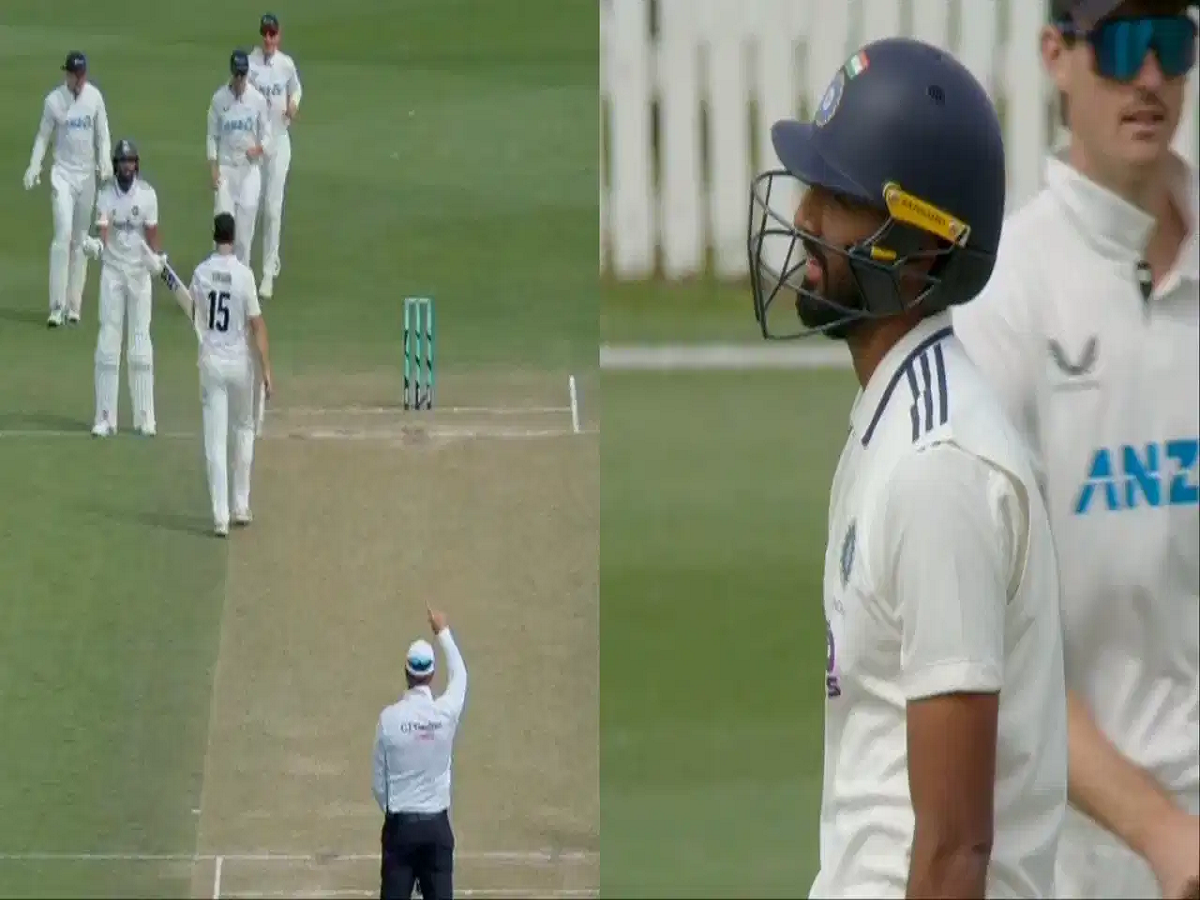
Indian batter Devdutt Padikkal narrowly missed a memorable double century against New Zealand A, getting dismissed for 199 after an impressive innings. His dismissal, however, became the biggest talking point of the match, with the left-handed batter appearing surprised by the umpire’s decision to give him out caught behind.
The controversial call ended an outstanding knock that had brought Padikkal close to the 200-run milestone. Questions were raised over whether the delivery had actually touched his bat before reaching the wicketkeeper.
How Did Devdutt Padikkal Get Out?
Padikkal was dismissed off the bowling of New Zealand A’s Jack Gibson. The delivery was pitched around a normal length and went down the leg side as Padikkal attempted to play a flick.
The ball appeared to pass close to his bat, strike his pad and continue into the wicketkeeper’s gloves. The umpire, however, ruled him out caught behind after an appeal from the fielding side.
Padikkal seemed surprised by the decision, using gestures to indicate that the ball had struck his pad rather than his bat.
A caught-behind dismissal requires the ball to make contact with the bat or glove holding the bat before being caught by the wicketkeeper or another fielder. If the ball only strikes the batter’s pad and is caught by the wicketkeeper, it is not a caught-behind dismissal.
Without conclusive video footage or other evidence, however, it is not possible to determine with certainty whether the umpire made an incorrect decision.
Why Is the Umpire’s Decision Being Questioned?
The appeal appeared relatively unconvincing to some observers, and the dismissal has prompted questions about whether the ball actually touched Padikkal’s bat.
The batter’s reaction added to the debate, as he seemed convinced that the ball had hit his pad. Nevertheless, an umpire must make a decision based on what they observe at the time, and a batter’s reaction alone cannot establish whether a dismissal was incorrect.
If a decision-review system was unavailable, the on-field umpire’s ruling would generally stand unless the applicable playing conditions provided another way to review it.
The incident has therefore become a talking point because of both the circumstances of the dismissal and the timing, with Padikkal just one run away from a double century.
Padikkal’s Outstanding 199-Run Knock
Despite the disappointing end to his innings, Padikkal delivered a remarkable performance for India A.
His innings included:
-
Runs: 199
-
Balls faced: 248
-
Fours: 24
-
Sixes: 3
His disciplined batting and ability to build a substantial innings made him one of the standout performers of the contest.
Although he missed the double century by the narrowest possible margin, the innings was reported as the highest individual score by a batter for India A. It was also his third century for the side, and he crossed the milestone of 1,000 runs for India A during the innings.
A Double Century Denied, but a Memorable Performance
Scoring 199 in a representative match is a significant achievement, particularly against an international development side such as New Zealand A. For Padikkal, the innings demonstrated his ability to bat for long periods and convert a strong start into a major score.
The controversial dismissal may have prevented him from reaching 200, but it does not diminish the quality of his performance.
For fans, the biggest question remains whether the ball genuinely touched the bat. Unless clear footage or additional match evidence settles the issue, the dismissal will remain a subject of debate rather than a confirmed umpiring error.