LIFESTYLE
Chhath Puja Nahay Khay 2026: The grand Chhath festival begins tomorrow; do not forget these rules on the day of Nahay-Khay
Chhath Puja Nahay Khay 2026: Chhath Puja 2026 will begin with Nahay Khay on November 13. Learn about the significance of pumpkin rice, the rules for preparing prasad, necessary precautions, and the full four-day program.
Chhath Puja Nahay Khay 2026: The 2026 grand Chhath festival begins tomorrow, Friday, November 13th, with Nahay-Khay. This four-day festival of folk faith celebrates the worship of the Sun God and Chhathi Maiya. Purity, sanctity, and restraint hold special significance during the Chhath fast. From the day of Nahay-Khay, devotees begin observing strict rules. On this day, devotees bathe and consume sattvik food. From cleaning the house to preparing prasad, every detail, big and small, is carefully considered. Let's explore the full schedule for all four days of Chhath Puja, the religious significance of Nahay-Khay, and what precautions devotees should take on this day.
Chhath Puja Schedule: Four-day program for Chhath Mahaparva 2026
- Nahai-Khaay: 13 November 2026, Friday – After bathing, the fasting person will consume pumpkin rice, gram dal and gourd satvik vegetable.
- Kharna: November 14, 2026, Saturday – The fasting person will observe a waterless fast for the entire day and will take the prasad of jaggery kheer in the evening.
- Evening Arghya: 15 November 2026, Sunday – The fasting person will offer the first arghya to the setting Sun God while standing in a river, pond or water body.
- Usha Arghya: 16 November 2026, Monday – After offering the second Arghya to the rising Sun God, the fasting person will break the fast and the Chhath fast will conclude.
Chhath Puja Religious Significance: What is the religious significance of Nahay-Khaay?
The Chhath festival begins with Nahay-Khay. On this day, devotees bathe in the morning, wear clean clothes, and consume sattvik food while remembering the Sun God and Chhathi Maiya. Religious belief holds that Nahay-Khay purifies the body and mind, preparing them for the arduous Chhath fast.
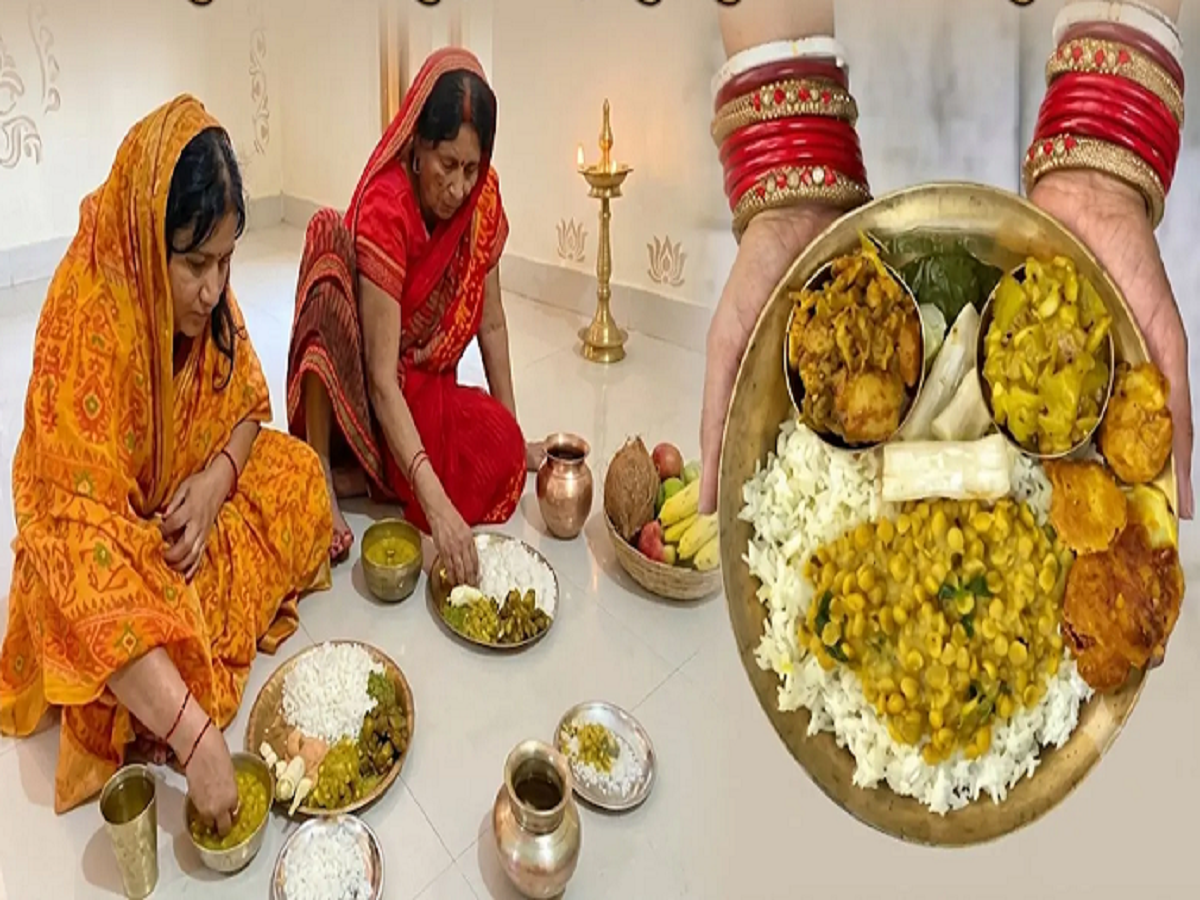
On this day, pumpkin curry, chickpea lentils, and rice are primarily prepared. Garlic and onion are avoided in the food. The fasting people consume this as prasad. After this, preparations for Kharna begin.
Chhath Puja Important Rules: Keep these things in mind on the day of Nahay-Khaay
- Cleanliness: Thoroughly clean the place of worship, the kitchen, and the area where the offerings are prepared. Cleanliness is given special importance during Chhath.
- Satvik food: Prepare pumpkin curry, chickpea lentils, and rice. Avoid garlic, onions, or non-vegetarian food.
- Use of salt: There is a tradition of using rock salt instead of ordinary salt while preparing Prasad.
- Clean utensils: Use clean utensils to prepare the offerings. Wash your hands thoroughly before handling food.
- Peaceful environment: Maintain a devotional atmosphere at home and keep the person observing the fast away from unnecessary troubles.
Chhath Puja Dress Code: How to dress on the day of Nahay-Khaay?
There are many traditional beliefs regarding the attire of the fasting person during Chhath Puja. Clean and laundered clothes should be worn on this day. Women are customarily expected to wear saris and men dhoti.
- Yellow color: Considered a symbol of auspiciousness and purity.
- Red color: Associated with energy, good luck and auspiciousness.
- Orange color: It is preferred because it is associated with the worship of Sun God.
- Green color: Considered a symbol of nature and prosperity.
- Black: Many families avoid wearing black clothing during puja. Traditions regarding these colors may vary from family to family. The scriptures do not explicitly prohibit any particular color from being worn universally for all devotees.
Chhath Puja Kharna Preparation: After bathing and eating, the difficult penance will begin
Kharna will be celebrated on November 14th, the day after Nahay-Khaay. On this day, devotees observe a waterless fast from morning until evening, and after bathing in the evening, they consume jaggery pudding, roti, and rice flour as prasad. The Kharna prasad is consumed in a quiet environment. Following this, devotees begin a 36-hour fast, which concludes with the breaking of the fast after offering Arghya (arghya) to the deity on November 16th.