LIFESTYLE
Chhath Puja 2026: Follow These 5 Health Tips to Prepare Your Body Before the Difficult Fast
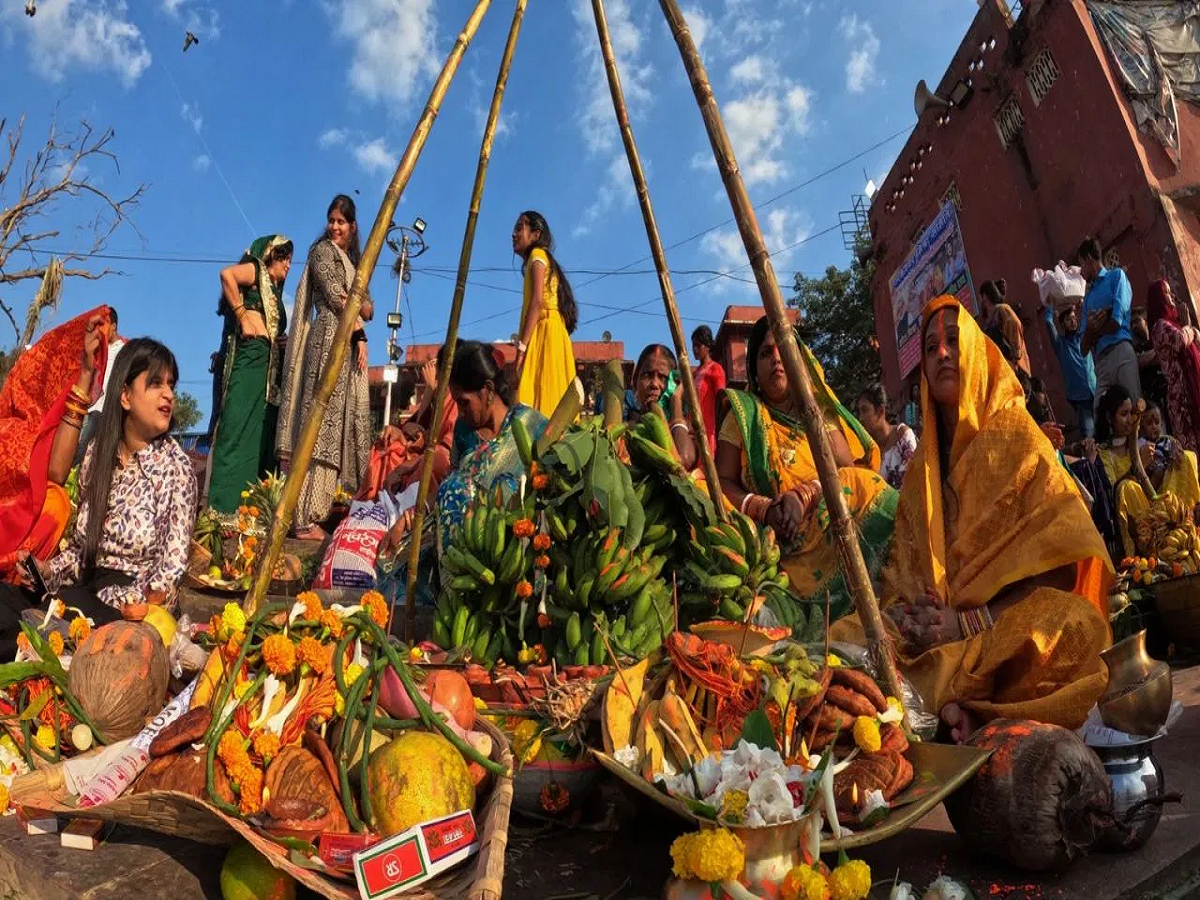
Chhath Puja is one of the most significant festivals, particularly in Bihar, Jharkhand and eastern Uttar Pradesh. Dedicated to the Sun God and Chhathi Maiya, the festival is celebrated with deep devotion, traditional rituals and strict fasting practices. However, along with preparing offerings and arranging puja essentials, taking care of your health is equally important.
The Chhath fast can be physically demanding as devotees observe long periods without food and water during certain rituals. Therefore, preparing your body a few days in advance can help reduce fatigue, dehydration and digestive discomfort. Nutritionist Geetika Chopra suggests making a few dietary and lifestyle changes before beginning the fast.
Here are five important health tips to keep in mind before Chhath Puja.
1. Keep Your Body Properly Hydrated
Hydration should be one of your biggest priorities before starting the fast. Drink sufficient water throughout the day to maintain your body's fluid balance and reduce the risk of dehydration.
You can also include healthy beverages such as coconut water, buttermilk and homemade lemonade in your routine. These drinks provide fluids and electrolytes that support normal body functions.
Avoid waiting until you feel thirsty to drink water. Maintaining regular hydration before fasting is particularly important when you know you will be avoiding water during certain rituals.
2. Include Seasonal Fruits in Your Diet
Seasonal fruits are an excellent addition to your diet before Chhath. Fruits such as papaya, pomegranate, guava, oranges and apples provide essential vitamins, minerals, antioxidants and dietary fibre.
They also support digestion and help maintain overall nutritional balance. You can include whole fruits as mid-morning or evening snacks instead of relying on packaged snacks and sugary foods.
Eating a variety of fruits will help ensure that your body receives important nutrients before the fasting period.
3. Maintain a Healthy Sleep Schedule
Preparing for Chhath involves several responsibilities, including cleaning the house, arranging puja materials and preparing traditional offerings. These activities can make the festive period physically exhausting.
To avoid unnecessary fatigue, maintain a proper sleep routine in the days leading up to the festival. Aim for approximately seven to nine hours of sleep every night.
Adequate rest helps your body recover, supports immunity and keeps your energy levels stable. Avoid staying awake late into the night, especially just before the main fasting rituals.
4. Avoid Heavy, Fried and Oily Foods
Your food choices in the days before fasting can influence how comfortably your body handles the dietary restrictions.
Try to limit deep-fried snacks, excessively oily dishes and heavy meals, as they may cause acidity, bloating and digestive discomfort.
It is also advisable to avoid consuming excessive salt, as it can increase thirst and contribute to fluid retention.
Instead, focus on balanced home-cooked meals containing vegetables, whole grains, protein sources and healthy fats.
5. Never Skip Meals or Follow Crash Diets Before Fasting
One common mistake people make before a religious fast is deliberately eating less or skipping meals to prepare themselves. However, this can leave the body low on energy even before the fasting period begins.
Nutritionist Geetika Chopra recommends following a balanced diet containing carbohydrates, proteins, healthy fats and fibre.
Avoid sudden dietary restrictions or crash dieting. Eat regular, nutritious meals and allow your body to maintain its energy reserves.
People with diabetes, kidney or heart conditions, pregnant women and those taking regular medication should consult their doctors before undertaking prolonged fasting, particularly fasting without water.
Take Care of Your Health Along With Your Devotion
Chhath Puja is a celebration of faith, discipline and gratitude towards nature. However, maintaining good health should also remain a priority during the festival.
Preparing your body through proper hydration, nutritious meals, adequate sleep and healthy lifestyle habits can help you approach the fasting period more comfortably. Remember, religious devotion and personal well-being should go hand in hand.