TECH
Cashback Ke Chakkar Mein Account Empty Na Ho Jaye! 5 Simple Ways to Stay Safe From Cyber Fraud This Festive Season
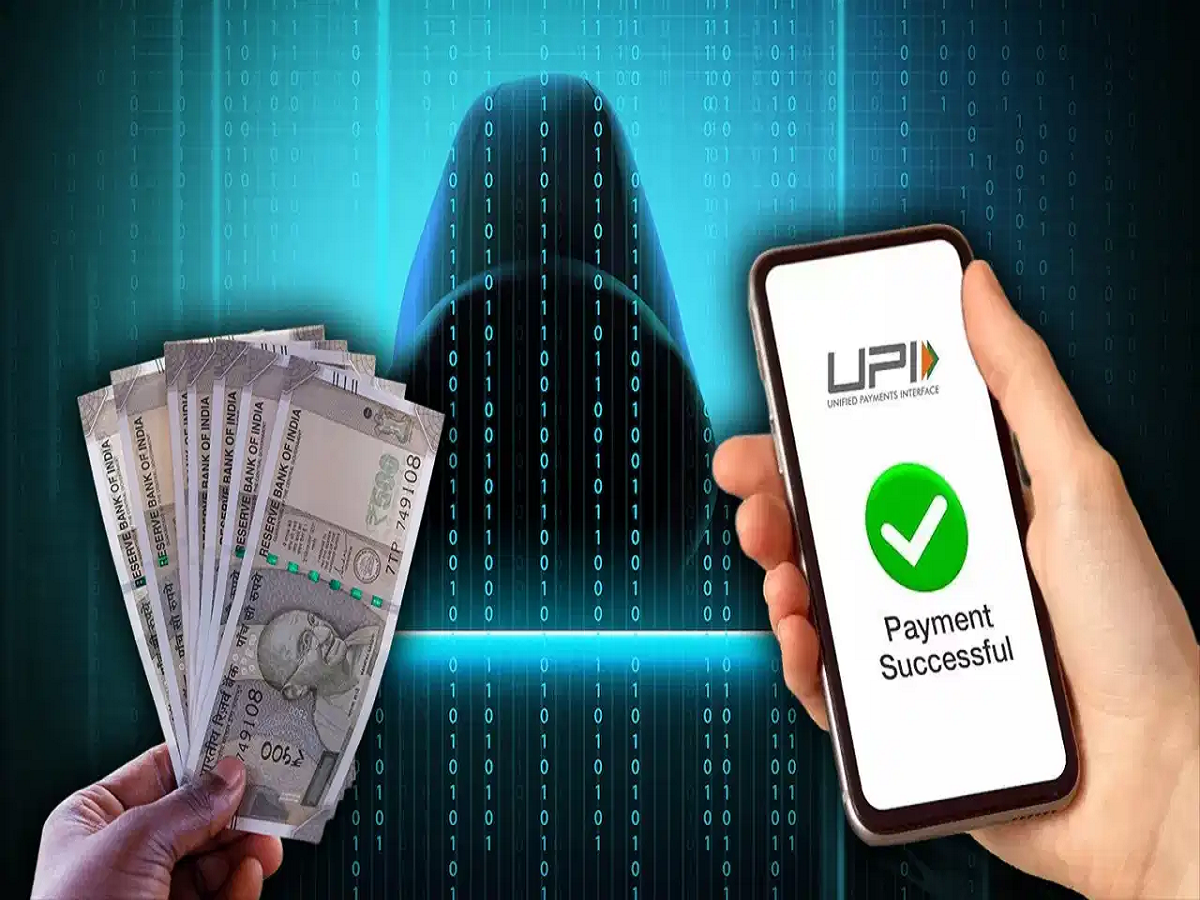
The festive season brings more than just shopping, discounts and celebrations. It also brings a sharp increase in online transactions. From UPI payments and food deliveries to online shopping and travel bookings, people rely heavily on their smartphones during this time.
Unfortunately, cybercriminals also take advantage of this increased digital activity.
Fake cashback offers, discount coupons, delivery updates, refund messages and customer-care calls are commonly used to trick people into revealing sensitive information or authorising fraudulent transactions.
A little caution can go a long way. Here are five simple habits that can help you avoid becoming a victim of online fraud.
1. Don't Click on Every Cashback or Discount Link
Messages promising "exclusive cashback", "limited-time rewards" or "claim your offer now" are designed to create urgency.
Before clicking on a link received through SMS, WhatsApp, email or social media, check it carefully. Look for unusual website addresses, spelling mistakes, suspicious domains and unexpected attachments.
Scammers can create websites that look almost identical to genuine shopping platforms.
The safest approach is to open the company's official app or website yourself and check whether the offer actually exists.
2. Be Extra Careful With UPI Payments
UPI has made digital payments incredibly convenient, but fraudsters often misuse people's unfamiliarity with certain payment features.
A common trick is to claim that you need to scan a QR code, enter your UPI PIN or approve a payment request to receive a refund or cashback.
Remember: receiving money through a normal UPI transfer does not require you to enter your UPI PIN.
Before approving any UPI transaction, carefully check the recipient's name and the amount displayed on your screen.
If someone unexpectedly sends you a collect request or asks you to scan a QR code for a refund, stop and verify the request through the company's official channels.
3. Watch Out for Fake Delivery and Customer-Care Messages
During the festive season, online orders increase—and so do fake delivery scams.
You might receive a message claiming that your parcel is stuck, your address needs verification, your payment failed or your refund is pending.
The message may contain a link that takes you to a fake website designed to steal your card details, passwords or other personal information.
Scammers may also pretend to be customer-care executives and ask for an OTP or persuade you to install a remote-access application.
Never use a customer-care number provided in a suspicious message. Instead, find the company's official contact details yourself through its genuine website or app.
4. Never Share OTPs or Banking Details on a Call
A scammer may call pretending to be a bank employee, delivery executive, customer-care agent or government official.
They may already know basic details about you, making the call appear genuine.
Don't share your OTP, UPI PIN, card PIN, CVV, internet banking password or other sensitive banking information over the phone.
Be particularly cautious if the caller creates panic by saying your account will be blocked, your payment will fail or your reward will expire unless you act immediately.
Fear and urgency are among the most common tools used by fraudsters.
5. Secure Your Smartphone Before Shopping
Your smartphone is effectively your digital wallet, especially if you use it for banking, UPI payments and online shopping.
Before the festive shopping rush begins:
-
Keep your phone's operating system updated.
-
Update apps regularly.
-
Use a strong screen lock.
-
Download applications only from trusted official app stores.
-
Review app permissions regularly.
-
Delete applications you no longer use.
-
Avoid installing apps sent through unknown links.
-
Don't give unnecessary apps access to SMS, contacts or other sensitive information.
Think Before You Pay
The biggest protection against festive-season cyber fraud is simply slowing down.
A genuine discount is rarely worth risking your bank account. Whether it's a cashback message, refund request, delivery update or unexpected phone call, take a moment to verify it before clicking, paying or sharing information.
If something feels unusually urgent or too good to be true, don't act immediately. Verify it through the company's official app, website or customer-care channel first.
A few seconds of caution can save you from losing your hard-earned money.